Get your free personalized podcast brief
We scan new podcasts and send you the top 5 insights daily.
Shana Kelley says the original Biohubs in the Bay Area, Chicago, and New York were reorganized into a single organization called Biohub. Work is now assigned by who has the right expertise, not by geography, so teams can plug the best people into each problem.
Related Insights
A core, overlooked element of the Biohub's success is physically bringing together scientists and engineers from competing universities like Stanford, UCSF, and Berkeley. This simple act of co-location dismantled institutional barriers and fostered a level of collaboration that was previously uncommon.

When Mark Zuckerberg and Priscilla Chan proposed curing all disease, top scientists didn't cite scientific limits. Instead, they pointed to operational failures: data silos, unpublished information, and non-scalable tools. This revealed the core problem was engineering and infrastructure, not just pure science.

Most organizations specialize in either frontier AI or frontier biology. CZI's Biohub integrates both to create a tight feedback loop. The AI models identify knowledge gaps, which in turn directs the biology team on what specific data sets to generate next. This flywheel of building bespoke data for model training accelerates discovery much faster than using pre-existing public data.

The local ecosystem thrives because experts from institutions like Harvard, Biogen, and MGH continually join forces to create new ventures, leveraging a shared pool of specialized knowledge and experience from established players.
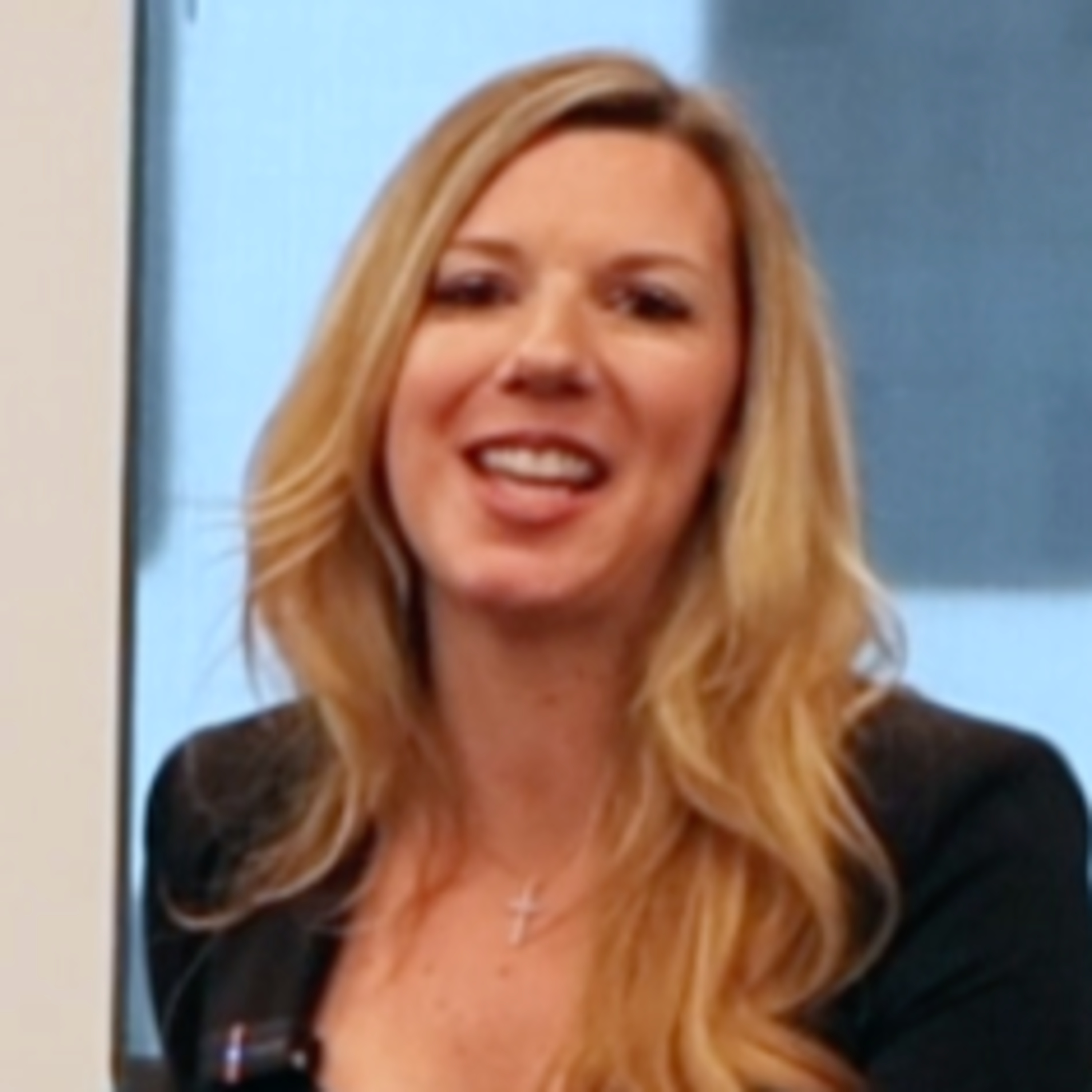
Instead of being standalone institutes, CZI's Biohubs in San Francisco, Chicago, and New York are deeply integrated with elite universities like Stanford, Northwestern, and Columbia. This strategic model provides immediate access to world-class talent, research infrastructure, and collaborative opportunities, forming the "magic of the model."
CZI's Biohub model hinges on a simple principle: physically seating biologists and engineers from different institutions (Stanford, UCSF, Berkeley) together. This direct proximity fosters collaboration and creates hybrid experts, overcoming the institutional silos often reinforced by traditional grant-based funding.

Complement Therapeutics intentionally built a presence across the UK, Germany, and the US to optimize talent acquisition. This cross-geographical structure allows them to hire the best experts in a specialized field like gene therapy, irrespective of their location, without being constrained by a single talent pool or dealing with complex relocations.

Instead of traditional regional HQs, firms should adopt a "capability-first" model. This involves strategically placing functions where excellence exists: basic science in Japan, clinical scale in China, and biologics in Korea. This creates a more efficient, interconnected global R&D engine, breaking from geography-based silos.
Thriving life sciences ecosystems in Ireland, the UK, and Massachusetts did not grow by accident. Their success is the result of deliberate, long-term government strategies, including tax incentives, shared R&D infrastructure like the UK's 'Catapult' network, and fostering deep connections between technology, hospitals, and capital.

CZI's Biohub model fosters cross-disciplinary breakthroughs by physically sitting engineers and biologists together. This simple organizational tactic encourages informal communication and collaboration, proving more effective at solving complex problems than formal structures and reporting lines.
