Get your free personalized podcast brief
We scan new podcasts and send you the top 5 insights daily.
Since personal vehicles are stationary for approximately 98% of their lifespan, their onboard computing and power storage can be leveraged. This concept reframes the idle car not just as a parked vehicle, but as a potential node in a distributed microdata center network.

Related Insights
Future Teslas will contain powerful AI inference chips that sit idle most of the day, creating an opportunity for a distributed compute network. Owners could opt-in to let Tesla use this power for external tasks, earning revenue that offsets electricity costs or the car itself.

As the explosive growth of electric vehicles moderates, the highly scaled manufacturing capacity and supply chains for power electronics can be repurposed. This existing momentum can be redirected to meet new demand for modernizing the grid, powering data centers, and driving industrial electrification.

The vast network of consumer devices represents a massive, underutilized compute resource. Companies like Apple and Tesla can leverage these devices for AI workloads when they're idle, creating a virtual cloud where users have already paid for the hardware (CapEx).

Crusoe Cloud is partnering with Tesla co-founder JB Straubel's Redwood Materials to use second-life EV batteries for power. By pairing these recycled batteries with solar, they can run a fully off-grid AI data center 24/7 at a lower price than grid power in Northern Virginia, a major data center hub.

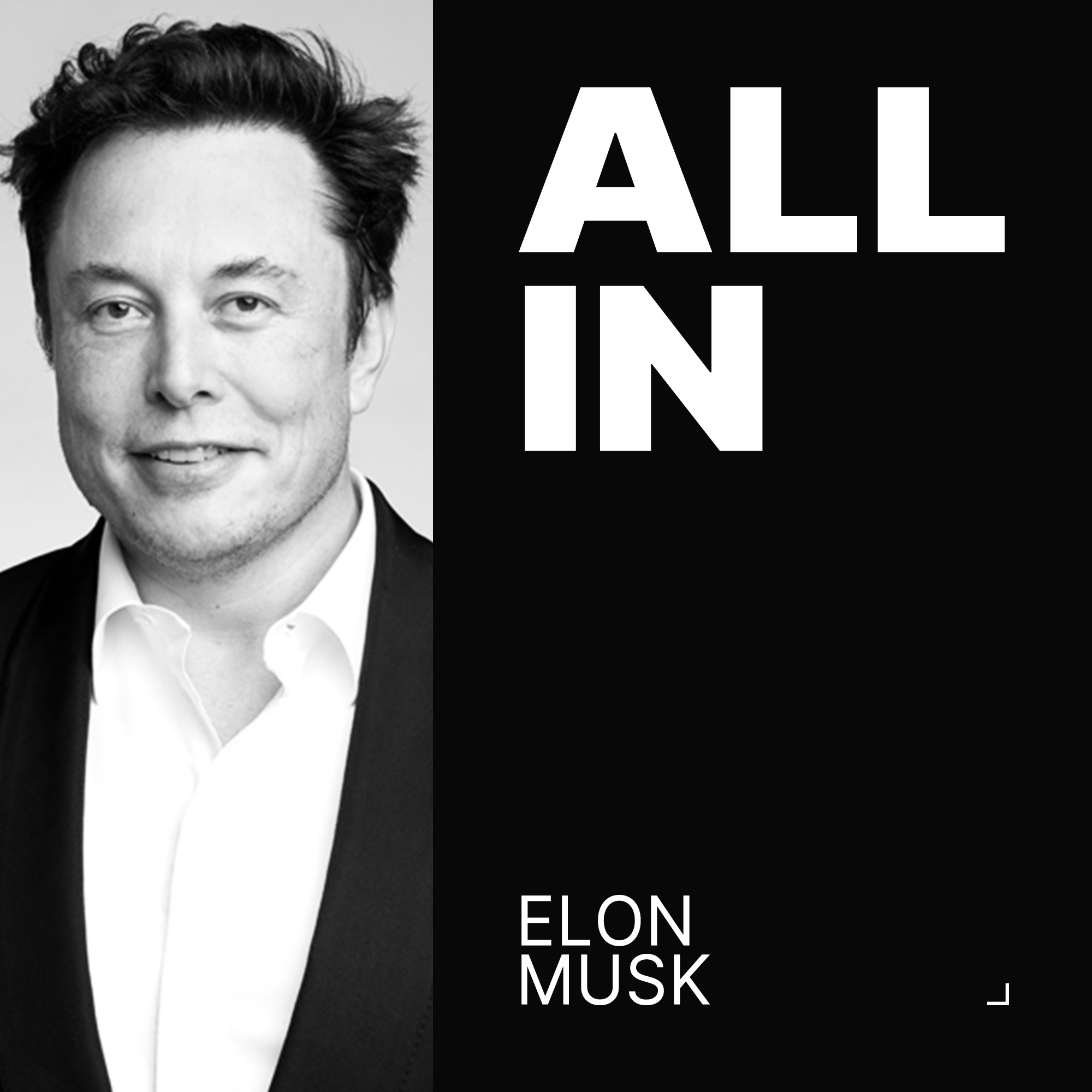
Musk envisions a future where a fleet of 100 million Teslas, each with a kilowatt of inference compute, built-in power, cooling, and Wi-Fi, could be networked together. This would create a massive, distributed compute resource for AI tasks.
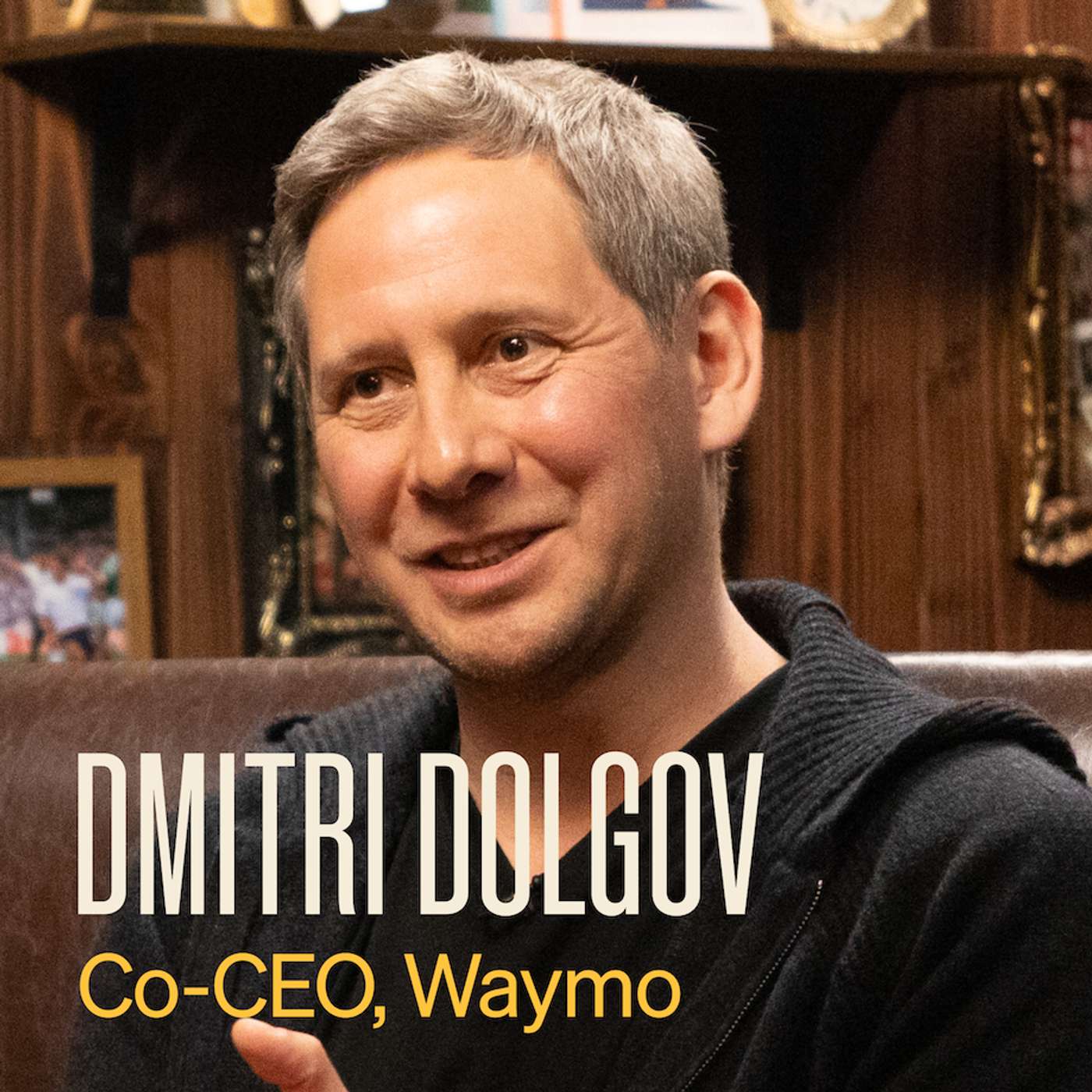
All critical, real-time driving inference happens locally on the vehicle. The cloud's role is for non-time-sensitive, operational tasks that enhance the customer experience. For example, after a ride, the car can use an off-board cloud model to check for forgotten items or determine if it needs cleaning.
The primary bottleneck for off-grid renewable data centers is battery supply. Voxel Energy, founded by ex-Tesla employees, circumvents this by creating a unique supply chain: repurposing still-functional batteries from decommissioned Tesla vehicles, which is a key competitive advantage no one else has.

Rivian is adding powerful AI hardware to its cars for edge computing. The business case isn't just better performance; over the long run, processing AI requests locally reduces reliance on cloud servers, saving significant future costs on data connectivity and cloud-based inference.
The race for compute power is moving from centralized data centers to decentralized networks. Companies are already putting GPU clusters next to homes, and Tesla is positioned to leverage its Powerwalls and Starlink for a distributed compute system that bypasses traditional infrastructure bottlenecks.

Standard data centers waste significant energy converting power from AC (grid) to DC (components). By operating off-grid, Voxel Energy built a native 'DC microgrid.' Solar panels (DC), batteries (DC), and GPUs (DC) connect directly, eliminating wasteful conversions and boosting efficiency up to 30%.