Get your free personalized podcast brief
We scan new podcasts and send you the top 5 insights daily.
Ryan Smith credits Qualtrics' success to his co-founder brother. Their sibling bond allowed for brutally honest debates that would break a typical executive team. This ability to "go 15 rounds" without lasting drama enabled better, harder-fought decisions.

Related Insights
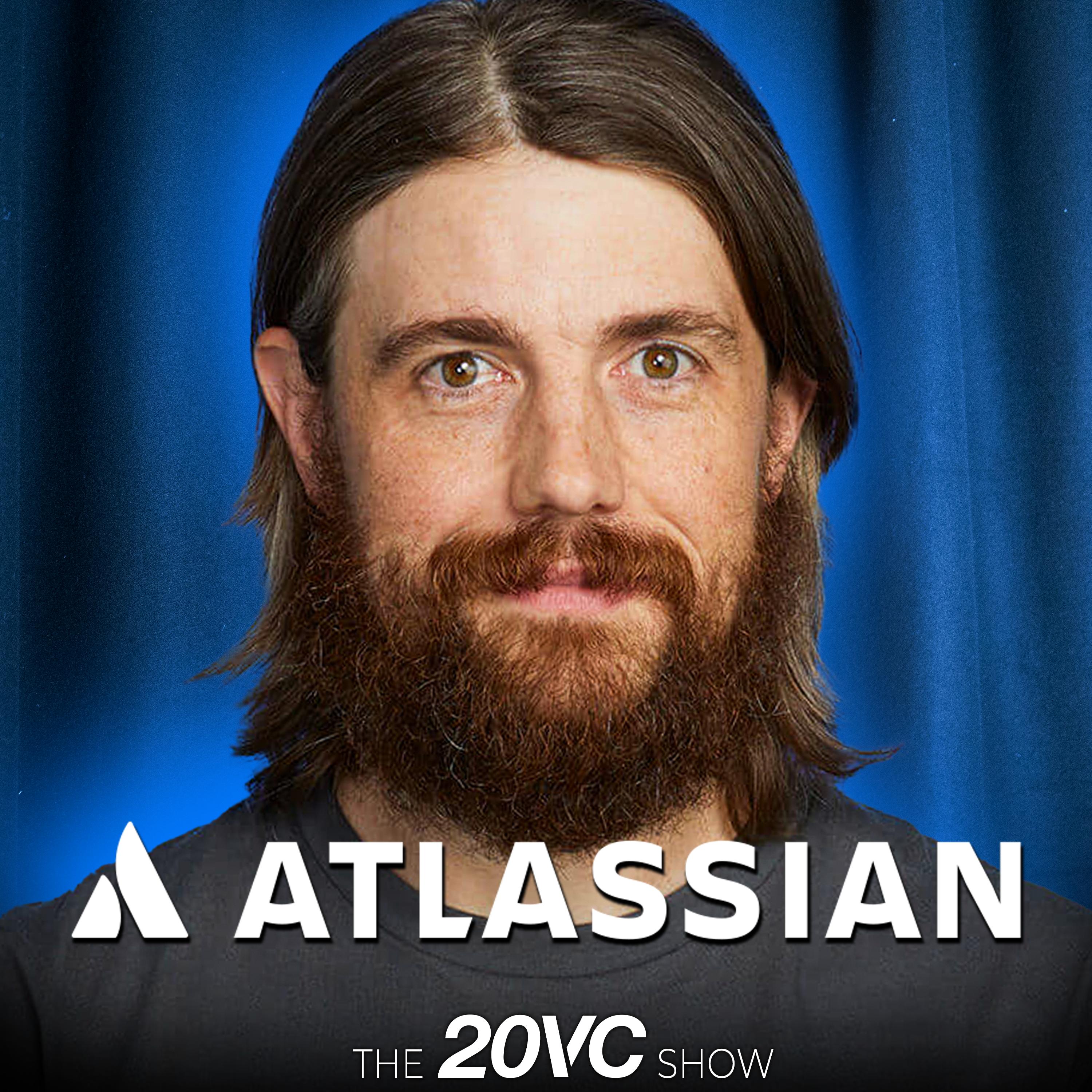
Mike Cannon-Brookes attributes his successful co-CEO partnership to having similar life stages (marriage, kids) and each believing the other was "out of their league." This created a balanced, high-performance dynamic that went beyond just complementary skills.
When Ryan Smith complained about a better-funded competitor, his father slammed the table and asked, "Who's stopping you?" This single question instantly shifted Smith's mindset from blaming external factors to taking radical ownership of the company's destiny.
Unbound Merino's founders reject the common wisdom that business and friendship don't mix. They argue it's an advantage because you start with baked-in trust and value alignment, making it easier and more enjoyable to navigate the inevitable challenges of building a company.

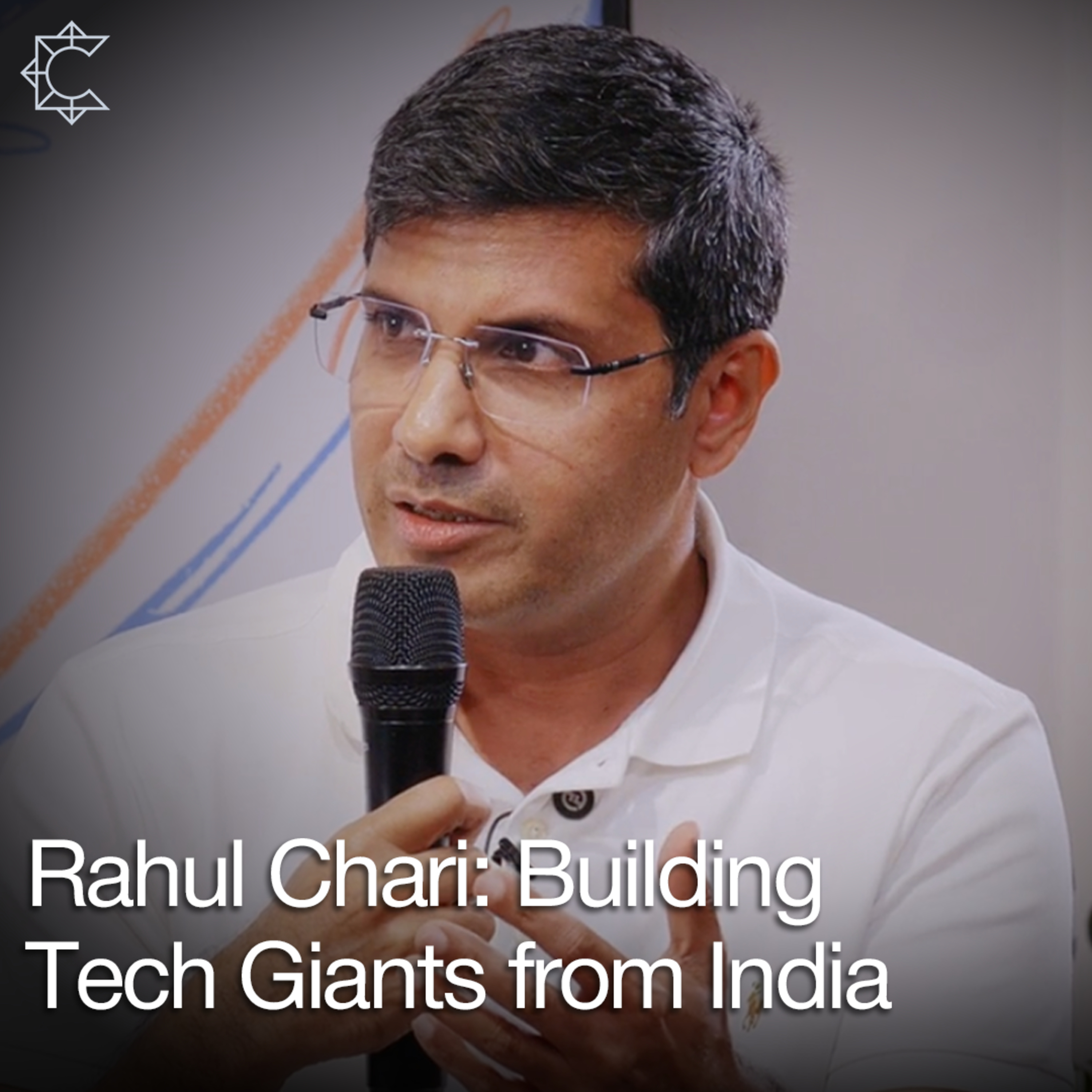
The long-standing relationship between PhonePe's co-founders, built on deep trust, allows them to be interchangeable in their roles. This enables one to step back during difficult periods while the other steps in, ensuring resilience through crises.
To predict the future health of a partnership, intentionally have difficult conversations before any investment is made. If you can't productively disagree or discuss serious problems before you're formally linked, it's highly unlikely you'll be able to do so when the stakes are higher post-investment.

Ryan Smith's brother, a Google exec, would hang up on him if he discussed customers outside their target of 250 universities. This strict external accountability served as a powerful "forcing function," embedding a culture of extreme focus in the early team.
Instead of escalating disagreements, Atlassian's founders operated on a simple principle: if one couldn't be persuaded that an idea was good, it was likely not worth pursuing. This served as a critical decision-making filter and prevented major conflicts.
For data-less decisions, PhonePe's co-founders have a simple rule: the partner with deeper historical strength in that domain makes the final call. The other commits fully, and they never revisit the decision, ensuring they learn and move forward without blame.
For 22 years, Ryan Smith's focus was monastically singular on Qualtrics. He didn't angel invest, sit on other boards, or have any side hustles. This intense, long-term dedication, avoiding all distractions, was a critical factor in the company's multi-billion dollar outcome.
The founders credit their successful partnership to an equal commitment to hard work. By dividing responsibilities and working independently before collaborating ('divide and conquer'), they ensure an even playing field and avoid the common pitfalls of co-founder burnout or resentment that often ruin business friendships.