Get your free personalized podcast brief
We scan new podcasts and send you the top 5 insights daily.
Ukraine has deployed millions of drones, creating a 20-mile-wide transparent zone on the frontline. They can see and strike any Russian movement, inflicting massive casualties and completely stopping Russia's ability to advance. This represents a fundamental shift in modern warfare.

Related Insights
Rather than a top-down military program, hundreds of small and large Ukrainian companies created a vast, transparent drone network. This decentralized, grassroots innovation has given them battlefield superiority and shifted their global perception from victim to security provider.

Ukraine's use of cheap drones to destroy a significant portion of Russia's bomber fleet exemplifies modern, asymmetric conflict. The new paradigm favors low-cost, high-volume assets that inflict disproportionate damage on expensive, traditional military hardware, a domain where the U.S. lags.

The proliferation of satellites and drones has created a "transparent battlefield" where forces are under constant observation. This blanket of sensors makes it incredibly difficult for armies to move, concentrate forces, or achieve surprise, fundamentally changing traditional military doctrines that rely on maneuver.

The war in Ukraine marks a historical inflection point in military technology. For the first time since the 19th century, the primary method of killing a soldier is no longer a bullet or artillery shell, but a drone. This fundamentally changes battlefield tactics and defense strategies.

The concept of a clear "front line" is gone. The battlefield is a porous zone where infiltration is constant. Control is better understood not by infantry positions, but by the operational reach and coverage of each side's UAV teams, which dictates who can see and strike within an area.

Artillery was historically called the 'god of war' for causing ~80% of battlefield casualties. In Ukraine, FPV (First-Person View) drones have now taken that role, accounting for 70-80% of casualties on the frontline, fundamentally shifting modern combat dynamics.

Drones establish a lethal "kill zone" that restricts ground movement and forces soldiers into hiding. Paradoxically, large logistics drones are also the primary means of survival, delivering all essential supplies like food, water, and ammunition to these otherwise inaccessible frontline positions, enabling the fight to continue.
A key architect of Ukraine's drone program has pivoted the military's objective away from capturing territory. The new strategy uses drones to target individual Russian soldiers, aiming for a kill rate that exceeds Russia's recruitment rate. This redefines victory as causing a demographic and logistical collapse of the enemy force, rather than controlling land.
Advanced sensors, drones, and satellites make it nearly impossible for either side in the Ukraine war to concentrate large forces without being immediately detected and destroyed. This technological shift enforces a static, sluggish front line characterized by small, dismounted infantry movements.
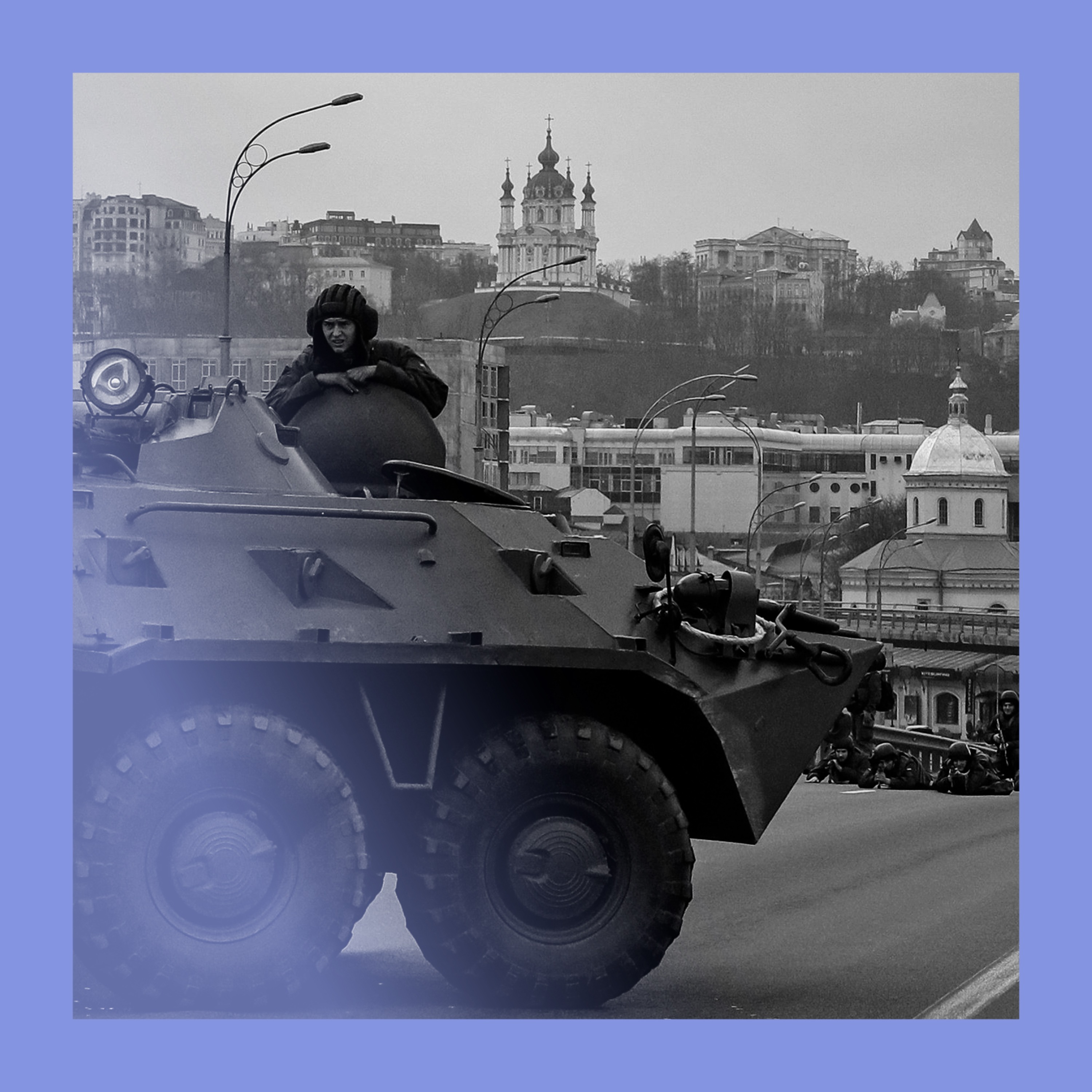
The war in Ukraine has evolved from a traditional territorial conflict into a "robot war," with drones dominating the front lines. This real-world battlefield is accelerating innovation at an "unbelievable" pace, driving new solutions for secure communications and autonomous targeting, providing critical lessons for US drone strategy.