Get your free personalized podcast brief
We scan new podcasts and send you the top 5 insights daily.
Pushing for extreme speed does more than just accelerate timelines; it forces teams to triage ruthlessly. It creates a filter that naturally eliminates work on problems that don't absolutely need to be solved, preventing over-engineering and wasted effort. It's not about more hours, but higher focus.

Related Insights
The time constraint of a shorter week is a feature, not a bug. It compels team members to abandon time-wasting habits like context-switching and procrastination because there is no longer a "buffer" day to catch up. Productivity increases because focus becomes a necessity.

Linear intentionally keeps teams small, viewing limited bandwidth not as a bug, but as a feature. This constraint forces the company to focus only on the most critical initiatives and avoid launching unnecessary features. It prevents the common startup pitfall of building things just to keep a growing team busy.

In a competitive market, prioritizing speed forces a team to be resourceful and figure out how to maintain quality under pressure. This mindset prevents the design team from becoming a bottleneck and keeps the company's momentum high.

Instead of over-analyzing and philosophizing about process improvements, simply force the team to increase its cadence and ship faster. This discomfort forces quicker, more natural problem-solving, causing many underlying inefficiencies to self-correct without needing a formal change initiative.

An engineering team's velocity is often bogged down by non-engineering work, which can consume a significant portion of their time. A leader's primary role in accelerating projects is to identify and systematically remove these obstacles, freeing engineers to focus on creative problem-solving and core design tasks.

High-velocity operators should expect that a significant portion of their time—around 25%—will be spent on activities that ultimately prove unproductive. Instead of judging this as a failure, view it as an unavoidable tax on moving quickly and making decisions with imperfect information.

In fast-paced environments, the primary concern isn't that craft will suffer, but that teams will cut the crucial time needed for strategic alignment. In cultures where high craft is a given, like at Vercel, the real risk of compressed timelines is building a beautiful solution to the wrong problem.

To combat the startup tendency of building too many features, Koah's CPO forces the team to answer, "If you could literally only work on one thing, what would it be?" This constraint cuts through noise and exposes the true top priority, accelerating focused development.

The purpose of setting impossibly aggressive deadlines isn't just to move faster. It is a strategic tool to force a team to identify the true critical path. By asking 'what prevents us from doing this in 6 months instead of 36?' you reveal the few real constraints that must be attacked or eliminated.

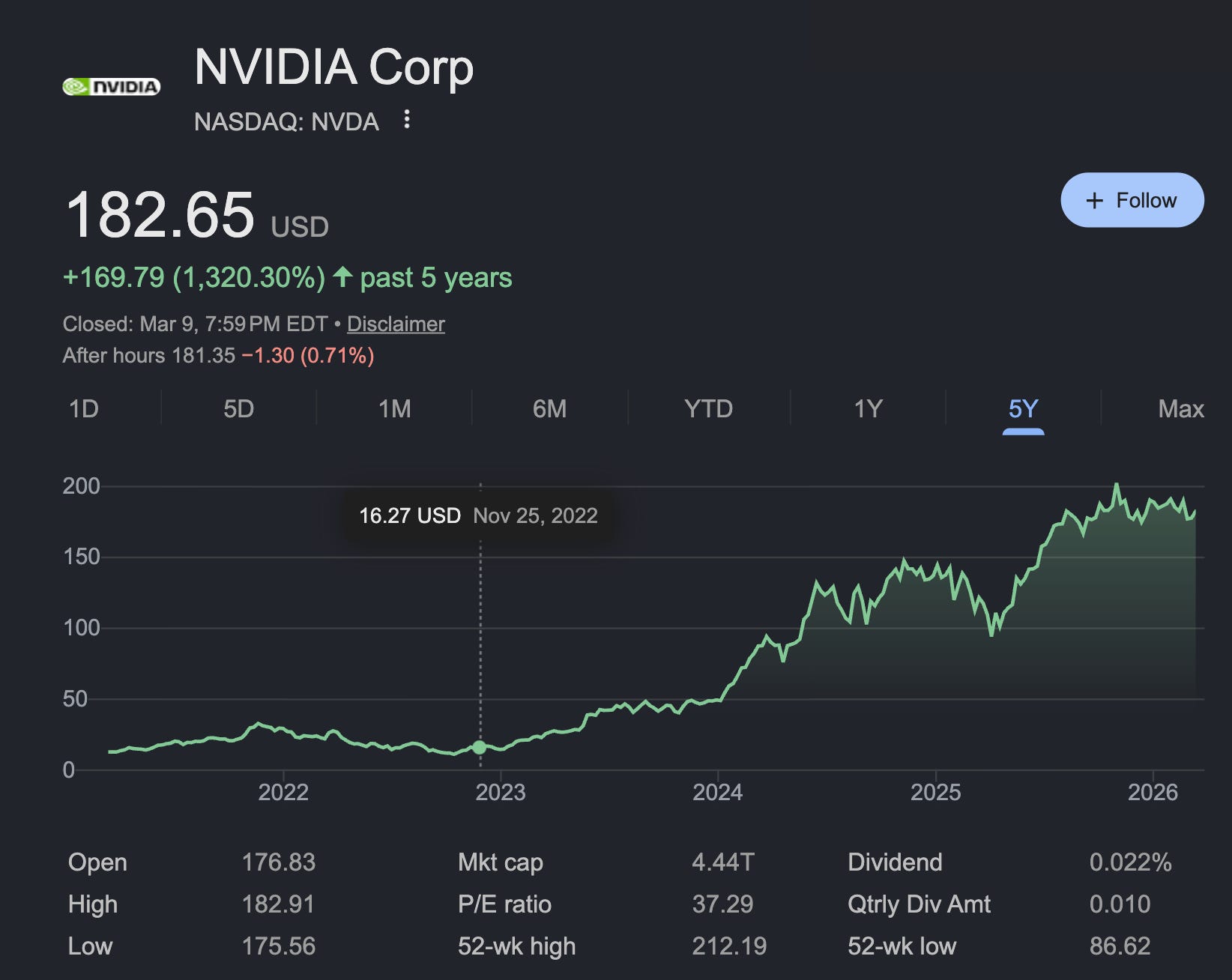
The "Speed of Light" (SOL) principle at NVIDIA combats project delays by demanding the absolute physical limit or theoretical minimum time for a task. This forces teams to reason from first principles before layering in practical constraints and excuses.