Get your free personalized podcast brief
We scan new podcasts and send you the top 5 insights daily.
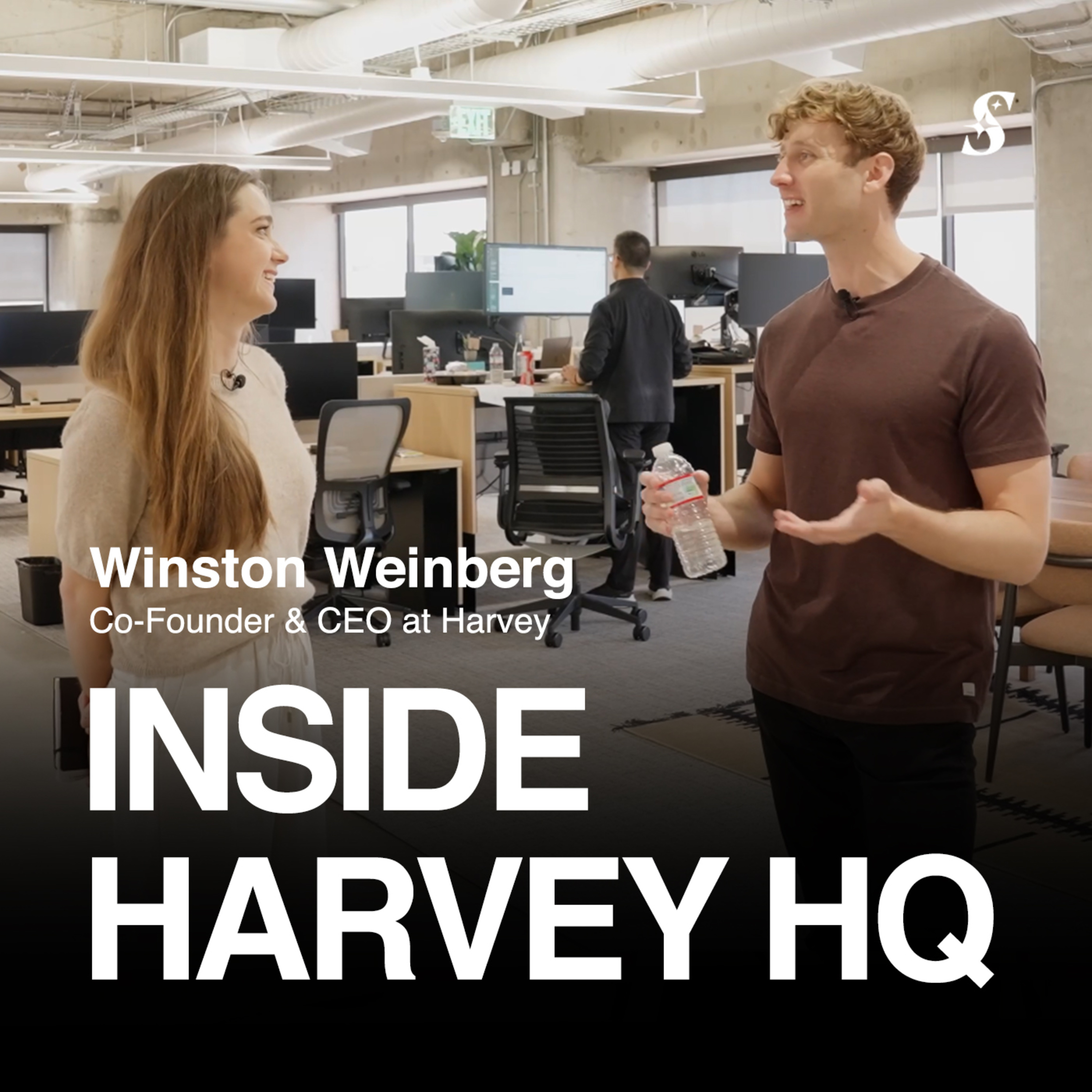
The biggest cultural shock for lawyers moving to a tech company like Harvey AI is the concept of performance-based termination. Law firms rarely fire people and have rigid promotion cycles, making tech's meritocratic, fast-moving environment a difficult adjustment.
Related Insights
An individual's resilience to AI disruption depends less on their specific role and more on their work environment. Job security is determined by personal adaptability and, crucially, whether the employer's culture supports experimentation, reskilling, and change.

Hiring executives from large corporations like Google or Microsoft into an early-stage startup almost always fails due to a 'massive impedance mismatch.' Their expectations for established processes clash with the startup's reality. HubSpot experienced a near-100% attrition rate with these types of hires.

Terminating an employee shouldn't be viewed solely as a negative outcome. Often, a lack of success is due to a mismatch in chemistry, timing, or culture. Parting ways can be a necessary catalyst that enables the individual to find a different environment where their skills allow them to thrive, benefiting both parties in the long run.

In highly dynamic and unstructured startup environments, hiring for high potential ("slope") is more effective than hiring for deep experience ("intercept"). Experienced hires from structured companies often perceive the environment as chaotic and fail to adapt, whereas high-slope individuals see it as normal and thrive.

Bhaskar Sunkara's top advice for founders is to 'fail fast on hiring.' He stresses not hesitating to part ways with someone who isn't scaling, even if you fear losing their institutional knowledge. The long-term damage of a poor fit is greater than the short-term pain of replacement.

Unlike companies that pay lip service to work-life balance, Uber's CEO is explicit: new hires are expected to work incredibly hard, and underperformers will be pushed out. This upfront honesty acts as a filter, attracting individuals who thrive in a high-intensity environment and ensuring cultural alignment from day one.

Instead of fostering long-term talent, some companies deliberately create high-pressure environments to extract maximum value from employees over a short period. They accept high turnover as a cost of business, constantly replacing burnt-out staff with new hires.

Both Meta and Google lacked a formal process for an employee to voluntarily take a lower-level role. The speaker's request was a challenge for recruiters and HR because systems are designed for upward mobility. It required special exceptions and created suspicion, as it's an unconventional career move.

To escape dysfunctional promotion incentives, engineers can join teams with a reputation for a higher technical bar, like Meta's PyTorch. These teams attract talent passionate about the craft, not just advancement. While promotions may be slower, the team's strong reputation can create better long-term career outcomes.

In rapidly evolving fields like AI, pre-existing experience can be a liability. The highest performers often possess high agency, energy, and learning speed, allowing them to adapt without needing to unlearn outdated habits.