Get your free personalized podcast brief
We scan new podcasts and send you the top 5 insights daily.
Roblox pegs its virtual currency, Robux, to a stable value (~$0.01), unlike volatile cryptocurrencies. This creates a predictable and trustworthy economic environment for creators, encouraging them to hold their earnings on the platform without fearing inflation or needing to cash out immediately.

Related Insights
Roblox's leadership intentionally directs a larger portion of revenue back to its creator community rather than maximizing corporate profits. This strategy fosters a more engaged and innovative developer base, which in turn drives the platform's overall success and long-term defensibility.

Contrary to the Western view of crypto as a speculative asset, its rapid adoption in Asia is driven by utility. Dollar-pegged stablecoins provide a cheaper, faster solution for real-world needs like remittances, B2B payments, and freelancer payouts in regions with volatile currencies or inefficient banking, transforming crypto from curiosity into infrastructure.

Before launching its economy, Roblox debated whether developers should earn money. The leadership team concluded that enabling creators to make a living would directly result in higher-quality, more engaging content on the platform, a bet that has clearly paid off.
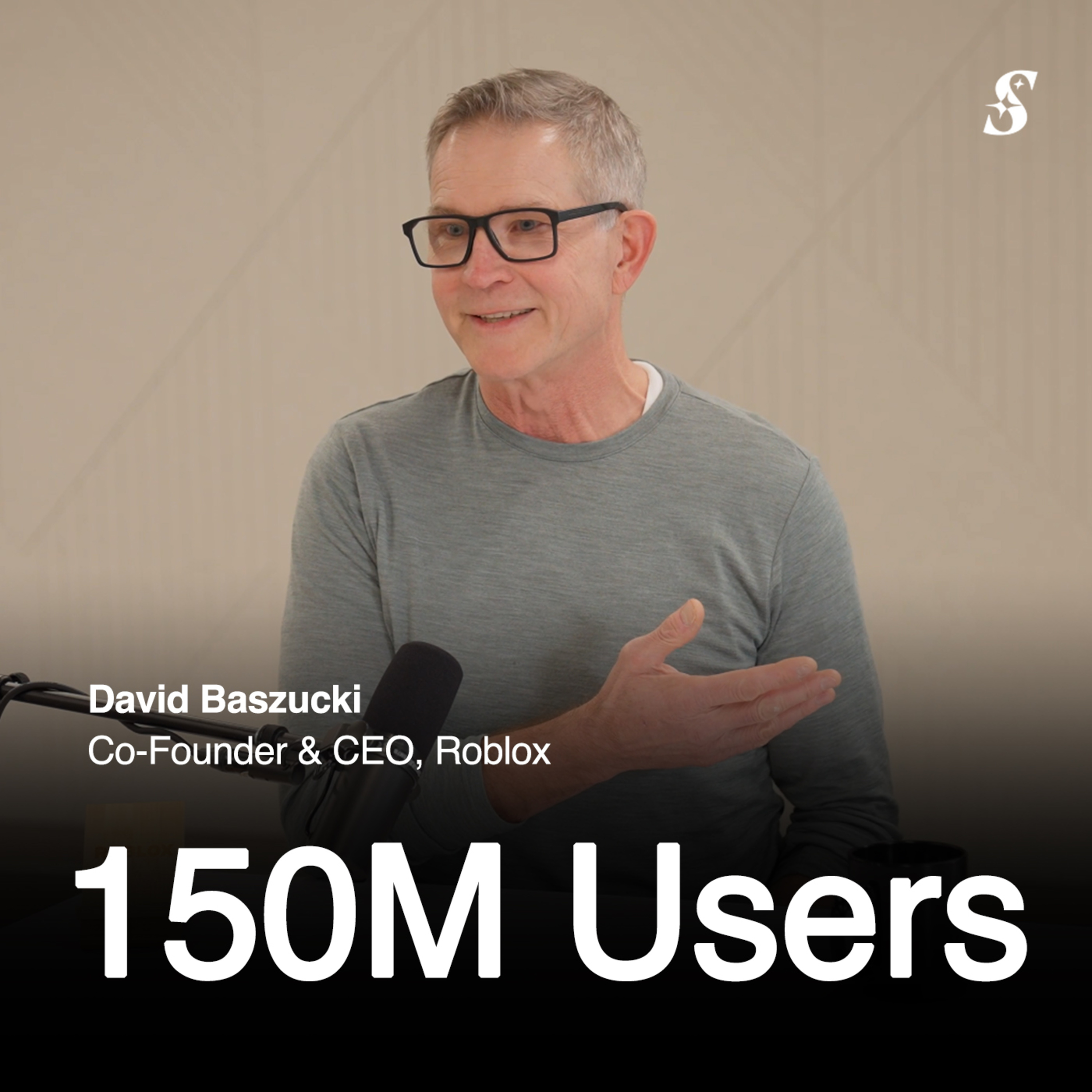
When revenue stalled, Roblox wasted months on small fixes. The real solution was a difficult strategic shift: creating the Robux virtual currency. This aligned creator incentives with platform growth and solved the root problem instead of tinkering with symptoms.
Cryptocurrencies serve two distinct economic functions. Bitcoin's fixed supply makes its price volatile, positioning it as a store of value like digital gold. True currency replacements are stablecoins, which have a fixed value and variable supply, making them suitable for everyday transactions.

Instead of traditional ads, Roblox's advertising primarily functions as a paid discovery tool for its own creators. Developers can purchase "sponsored tiles" to drive traffic to their new games, creating a self-sustaining ecosystem where creators reinvest earnings to find players on the platform itself.
Roblox operates a sophisticated internal economy, not just a simple virtual currency. The company employs a team of PhD economists, dubbed the "economy group," to manage monetary policy and control inflation. This approach is influenced by founder David Baszucki's interest in monetarist theories from economists like Milton Friedman, treating the Robux ecosystem like a real-world central bank.

Because Roblox creators earn in a globalized virtual economy pegged to the USD, it can be easier for them to fund a full-time career in countries with a lower cost of living. This geographic arbitrage incentivizes a diverse, worldwide creator base, making professional game development more accessible globally.
Before stablecoins, launching financial services in N countries required N² unique integrations. Now, companies can build on a single dollar-stablecoin standard and instantly operate globally. Adding other local stablecoins becomes a simple N-style addition, radically simplifying global expansion.

The primary strategic reason for a large platform to issue its own stablecoin isn't just yield, but control. Relying on an external stablecoin creates platform dependency, making the business vulnerable to changes in fees or strategy, much like Zynga's reliance on the Facebook platform.