Get your free personalized podcast brief
We scan new podcasts and send you the top 5 insights daily.
Google's leadership frames its constant restructuring as decisive action to compete in AI. However, undertaking a massive reorg only to have its new leaders depart months later reveals a core cultural problem of bureaucracy and strategic timidity that can't be fixed with org chart changes alone, creating instability and employee anxiety.
Related Insights
Implementing AI won't magically solve your problems. It acts as a powerful amplifier. In an agile company, it speeds up value creation. In a bureaucratic one, it aggressively exposes structural flaws, leadership gaps, and brittle decision-making processes.

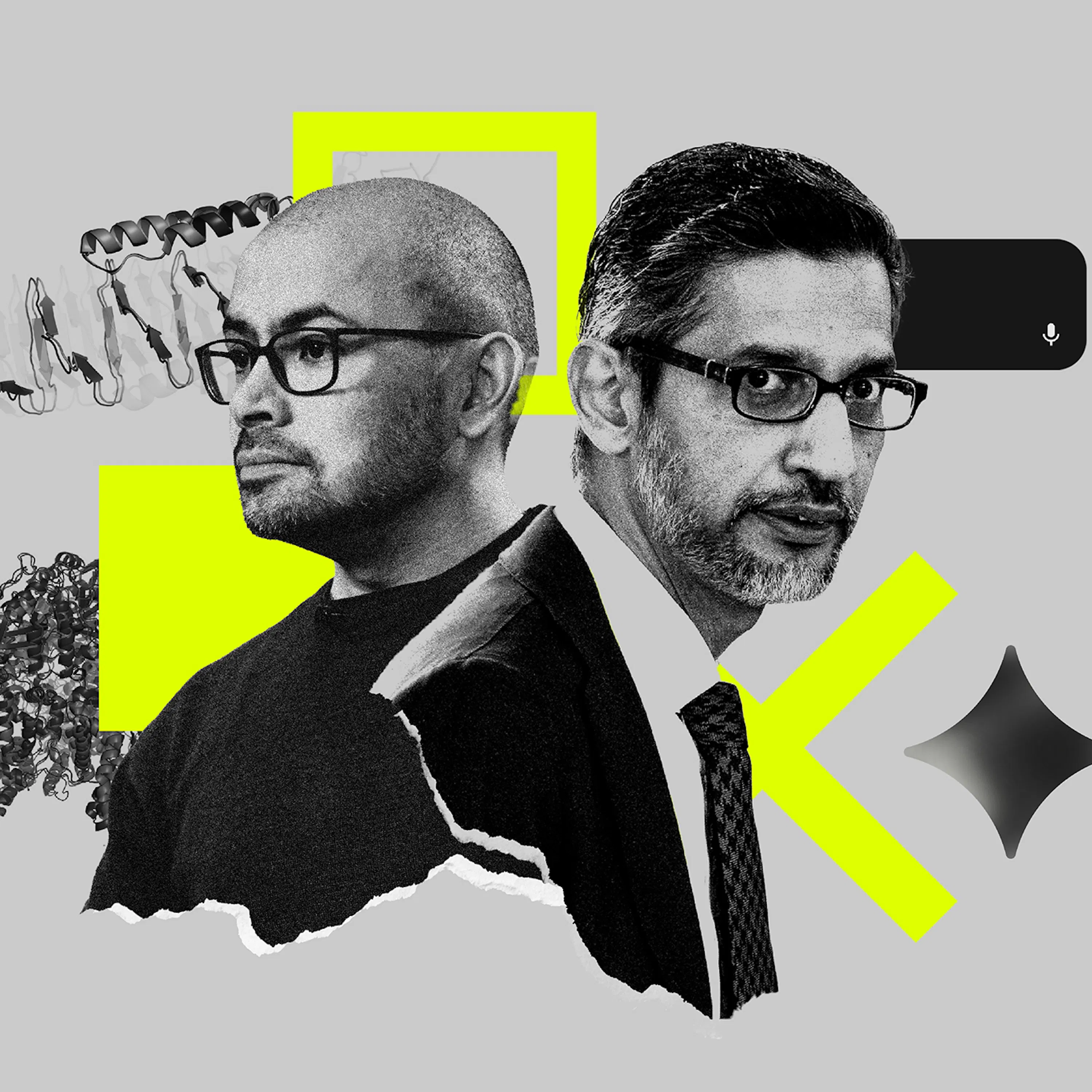
The departures and role changes of key AI figures like Demis Hassabis and Jeff Dean signal a loss of confidence in Google's ability to compete in the AGI race, despite its foundational research contributions. Commentary suggests this is an expected but significant shakeup.

The departure of key figures like Jeff Dean and Demis Hassabis's role change are symptoms of a larger problem. Despite pioneering AI research and having immense resources, Google has consistently struggled to maintain momentum and translate its advantages into market leadership, raising questions about its internal structure and ability to compete.

Google is falling behind in the AI race not just due to technical challenges, but organizational dysfunction. Internal teams like Cloud, DeepMind, and Android are building competing AI coding tools, while some engineers' cultural resistance to AI-written code creates a slow, fragmented development process.

Key figures like Jeff Dean were seen by employees as moral compasses, pushing back against controversial AI applications like lethal weapons. Their departure signals a cultural shift towards prioritizing revenue over ethics, which is causing an exodus of principled talent who are now flocking to competitors like Anthropic.
Despite immense resources, Google is in danger of falling out of the top tier of AI labs. Its models are described as "deeply psychologically screwed up," its internal scaffolding efforts are weak, and its corporate culture hinders progress. This is causing them to lose ground to more focused competitors like Anthropic and OpenAI in the race for recursive self-improvement.

Google's recent leadership changes, including Demis Hassabis's new role and Sergey Brin's return, represent a fundamental reordering. This consolidates power in California and moves the company's AI efforts from a research-led culture, defined by London-based DeepMind, to a more commercially urgent, product-driven strategy.

An on-leave DeepMind employee posted a thinly veiled allegory about Google's AI struggles, describing "slumbering execs" and a "King of terrorists" who holds the organization hostage. This suggests internal politics and ineffective leadership, not a lack of talent, are behind the company's perceived lag.
The departure of Demis Hassabis and Jeff Dean, while a loss of talent, may be what Google needs. The previous leadership failed to compete commercially, focusing on science over products. This change allows Google to redesign its AI organization to win the current AI race, which it was clearly losing under the old guard.

High-profile departures like Jeff Dean's are not signs of instability but a natural evolution. As AI matures, research pioneers—now immensely wealthy—step away from large-scale management to pursue frontier projects, making way for operational leaders.
