Get your free personalized podcast brief
We scan new podcasts and send you the top 5 insights daily.
NVIDIA is strategically providing companies like Meta with preferential access to its GPUs. This is a deliberate move to foster a more competitive AI landscape and prevent a market duopoly by Anthropic and OpenAI, effectively using hardware allocation to shape the software market.

Related Insights
NVIDIA was a first-wave signatory of the open-model letter to prevent market consolidation. A future with only one or two dominant AI labs would create a customer monopsony, giving those labs immense pricing power over NVIDIA. A broader, more competitive AI ecosystem is in NVIDIA's best interest.

Concerns about NVIDIA investing in startups that then buy its chips are overblown. These deals are a strategic necessity to support an ecosystem of NVIDIA users (like OpenAI) against Google, which leverages its own TPU chips to create captive customers (like Anthropic).

Meta's massive, multi-billion dollar deal for millions of Nvidia GPUs signifies a strategic pivot. After pursuing custom silicon and AMD partnerships to avoid the 'Nvidia tax,' Meta is now committing to Nvidia for the foreseeable future. This move aims to secure a dominant supply of leading AI chips at world-leading scale, prioritizing performance and availability over cost diversification.

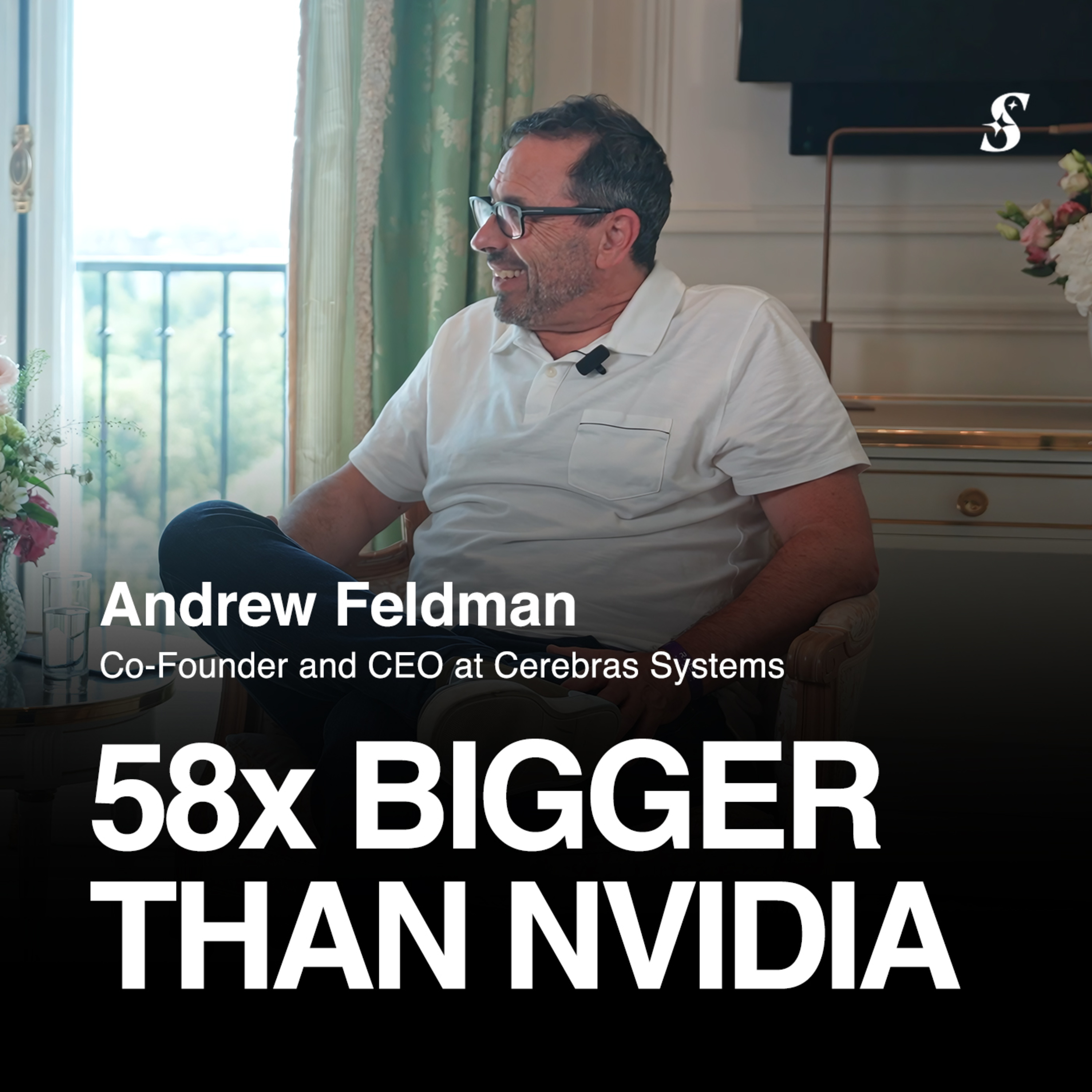
Andrew Feldman argues that NVIDIA's investment strategy is a key competitive tactic. By investing in cloud providers and model builders, they create strong incentives for those partners to remain within the NVIDIA ecosystem, making it difficult for competing chip manufacturers to gain a foothold.
Meta scrapping its advanced AI chip development and instead buying from NVIDIA and renting Google's TPUs signals a strategic shift. The immense cost, complexity, and risk of creating custom silicon now outweigh the benefits, making immediate access to powerful GPUs the higher priority for big tech.
Despite predictions of commoditization, the AI inference layer remains competitive. The market is supply-constrained, and GPU makers like NVIDIA intentionally avoid customer concentration with hyperscalers, creating space for specialized, innovative providers to thrive.

Jensen Huang strategically allocates GPUs to NeoClouds and new AI labs to prevent a world dominated by a few hyperscalers building their own custom chips (like TPUs). This ensures a diverse customer base and prevents NVIDIA's core products from being commoditized by a handful of powerful buyers.

NVIDIA's vendor financing isn't a sign of bubble dynamics but a calculated strategy to build a controlled ecosystem, similar to Standard Oil. By funding partners who use its chips, NVIDIA prevents them from becoming competitors and counters the full-stack ambitions of rivals like Google, ensuring its central role in the AI supply chain.

Major AI labs aren't just evaluating Google's TPUs for technical merit; they are using the mere threat of adopting a viable alternative to extract significant concessions from Nvidia. This strategic leverage forces Nvidia to offer better pricing, priority access, or other favorable terms to maintain its market dominance.

Despite being key backers of OpenAI, Microsoft and NVIDIA are investing heavily in its competitor, Anthropic. This signals a strategic shift by tech giants to diversify their AI investments, ensuring no single lab becomes dominant and fostering a more competitive ecosystem.
