Get your free personalized podcast brief
We scan new podcasts and send you the top 5 insights daily.
Concerns about NVIDIA investing in startups that then buy its chips are overblown. These deals are a strategic necessity to support an ecosystem of NVIDIA users (like OpenAI) against Google, which leverages its own TPU chips to create captive customers (like Anthropic).

Related Insights
NVIDIA's deep investment in OpenAI is a strategic bet on its potential to become a dominant hyperscaler like Google or Meta. This reframes the relationship from a simple vendor-customer dynamic to a long-term partnership with immense financial upside, justifying the significant capital commitment.

To counter the competitive threat from Google's TPUs, NVIDIA avoids direct price cuts that would hurt its gross margins. Instead, it offers strategic equity investments to major customers like OpenAI, effectively providing a "partner discount" to secure their business and maintain its dominant market position.

Seemingly strange deals, like NVIDIA investing in companies that then buy its GPUs, serve a deep strategic purpose. It's not just financial engineering; it's a way to forge co-dependent alliances, secure its central role in the ecosystem, and effectively anoint winners in the AI arms race.

NVIDIA's multi-billion dollar deals with AI labs like OpenAI and Anthropic are framed not just as financial investments, but as a form of R&D. By securing deep partnerships, NVIDIA gains invaluable proximity to its most advanced customers, allowing it to understand their future technological needs and ensure its hardware roadmap remains perfectly aligned with the industry's cutting edge.
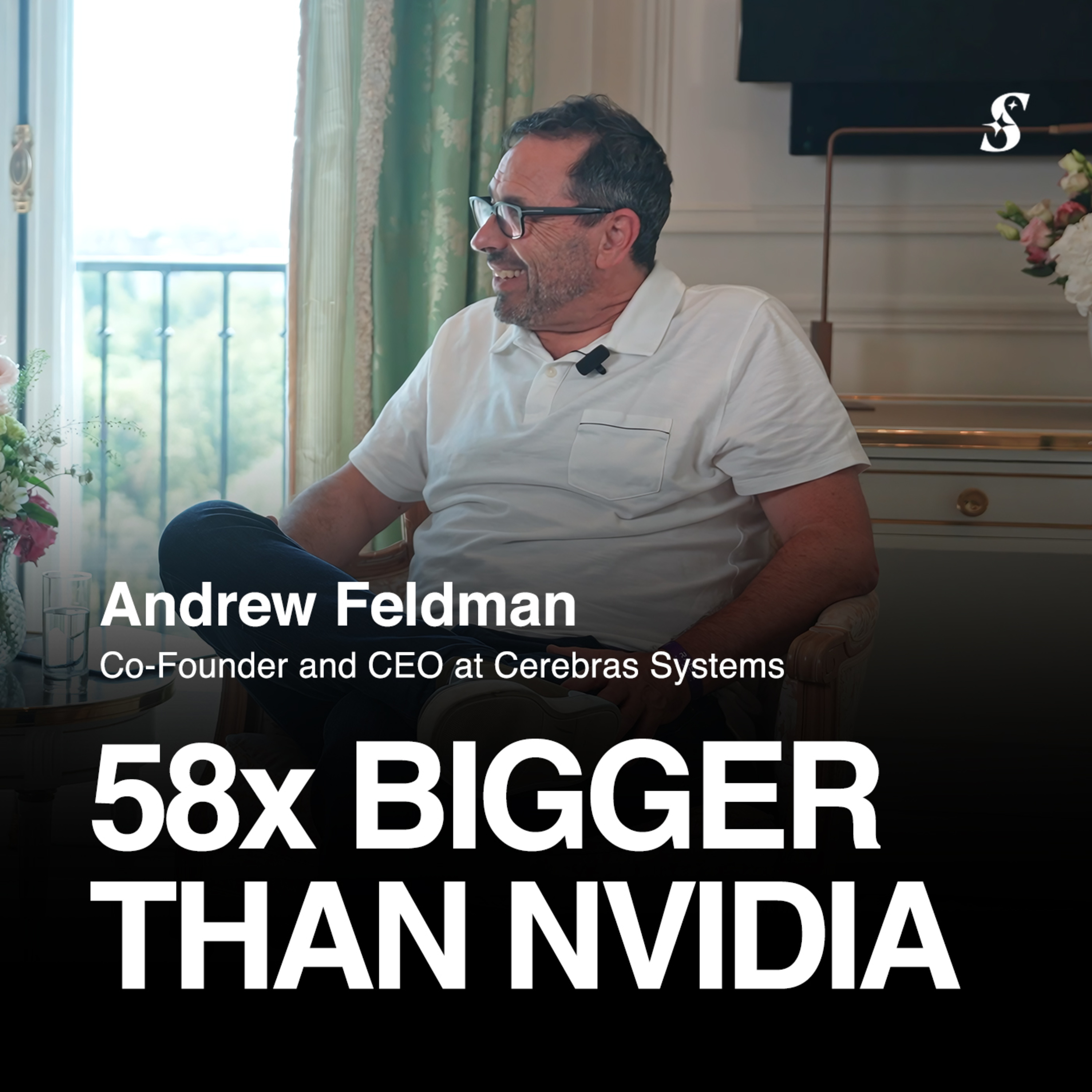
Andrew Feldman argues that NVIDIA's investment strategy is a key competitive tactic. By investing in cloud providers and model builders, they create strong incentives for those partners to remain within the NVIDIA ecosystem, making it difficult for competing chip manufacturers to gain a foothold.
Even if Google's TPU doesn't win significant market share, its existence as a viable alternative gives large customers like OpenAI critical leverage. The mere threat of switching to TPUs forces NVIDIA to offer more favorable terms, such as discounts or strategic equity investments, effectively capping its pricing power.
NVIDIA's vendor financing isn't a sign of bubble dynamics but a calculated strategy to build a controlled ecosystem, similar to Standard Oil. By funding partners who use its chips, NVIDIA prevents them from becoming competitors and counters the full-stack ambitions of rivals like Google, ensuring its central role in the AI supply chain.

NVIDIA funds OpenAI's compute purchases (of NVIDIA chips) with an equity investment. This effectively gives OpenAI a discount without lowering market prices, while NVIDIA gains equity in a key customer and locks in massive sales.
![Dylan Patel - Inside the Trillion-Dollar AI Buildout - [Invest Like the Best, EP.442] thumbnail](https://megaphone.imgix.net/podcasts/799253cc-9de9-11f0-8661-ab7b8e3cb4c1/image/d41d3a6f422989dc957ef10da7ad4551.jpg?ixlib=rails-4.3.1&max-w=3000&max-h=3000&fit=crop&auto=format,compress)
Jensen Huang counters accusations of inflating revenue by investing in customers. He clarifies the investment in OpenAI is a separate, opportunistic financial bet, while chip sales are driven by market demand and funded independently by OpenAI's own capital raising—not by NVIDIA's investment.
NVIDIA investing in startups that then buy its chips isn't a sign of a bubble but a rational competitive strategy. With Google bundling its TPUs with labs like Anthropic, NVIDIA must fund its own customer ecosystem to prevent being locked out of key accounts.
