Get your free personalized podcast brief
We scan new podcasts and send you the top 5 insights daily.
Seek Labs prioritizes cultural fit ruthlessly. After skills-based interviews, CEO Jared Bauer asks every candidate the same four questions about their worldview. A perfect resume is irrelevant if they fail this final test, ensuring alignment with the company's core principles.

Related Insights
Prioritizing a candidate's skills ('capacity') over their fit with the team ('chemistry') is a mistake. To scale culture successfully, focus on hiring people who will get along with their colleagues. The ability to collaborate and integrate is more critical for long-term success than a perfect resume.

Chipotle CBO Chris Brandt filters candidates based on a simple, visceral question: 'Would you be willing to walk into a conference room with them at 5 PM on a Friday?' This test prioritizes collaborative spirit and cultural fit over pure skill, ensuring new hires won't disrupt team dynamics, even if they look good on paper.

The simple question "What motivates you?" can be a powerful filter. A Forterra leader was once told by a banking vice chairman that being motivated by "team mission" over money would make for a difficult finance career. This advice proved correct and became his favorite question to uncover a candidate's core intrinsic drivers.

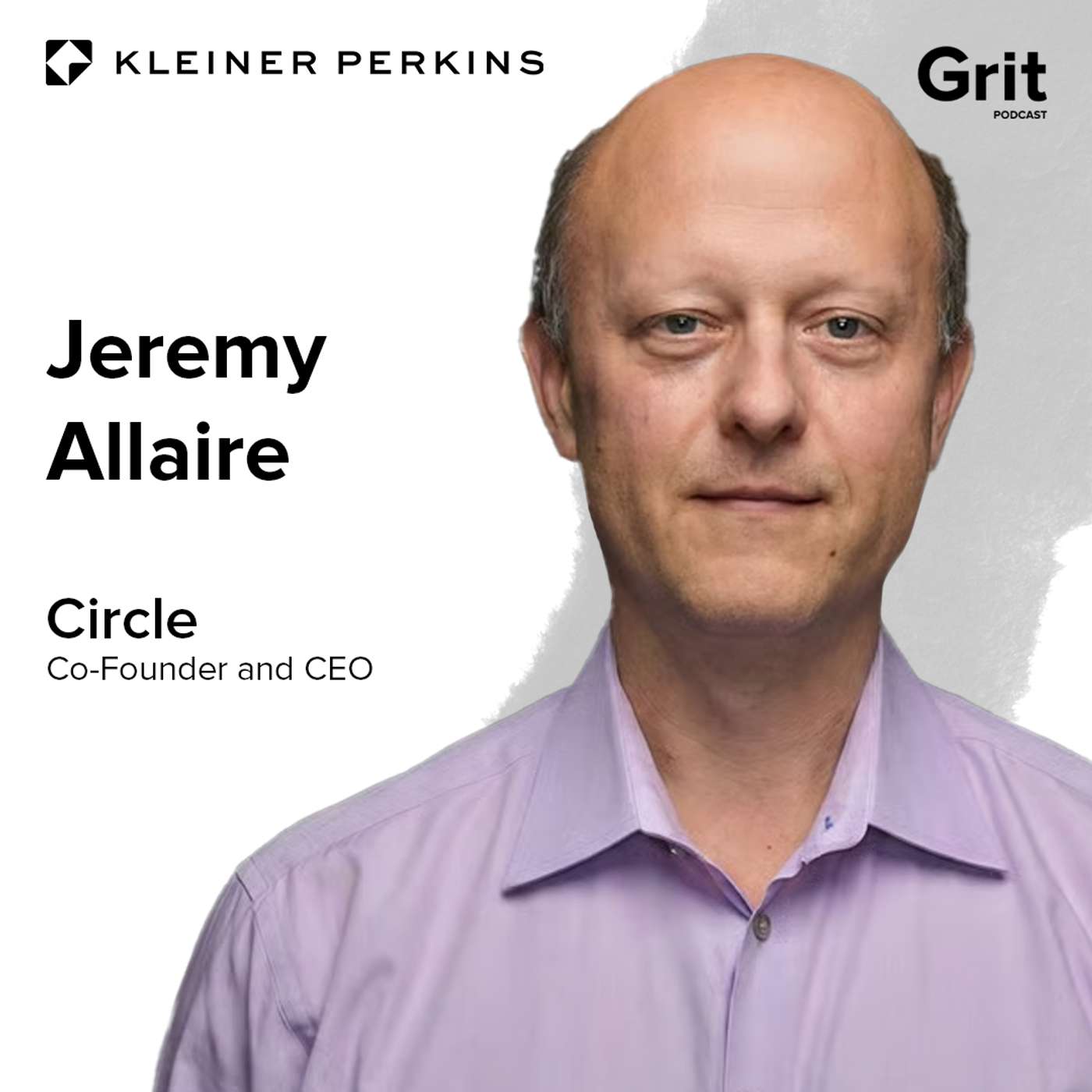
Jeremy Allaire is transparent with candidates about the industry's external skepticism and the job's difficulty. This filters for people motivated by the mission's hardness and the cognitive dissonance of building something revolutionary, ensuring a resilient, mission-aligned team.
OnlyFans intentionally uses the "holiday dinner test"—asking candidates if they can defend their job to family—as a hiring tool. This filters for employees who are not just skilled but are "true believers" in the company's mission, ensuring extreme cultural alignment and resilience in their lean, high-performing team.

The chaotic, underdog nature of a startup is a binary filter. Frame this reality honestly during interviews. The right candidate will be energized by the challenge, while the wrong fit will be stressed. This question quickly reveals cultural suitability.
To scale a high-performing product team, hire individuals who exhibit the same level of ownership and love for the product as the original founders. This means prioritizing a blend of deep curiosity, leadership potential, and an unwavering commitment to execution over a simple skills checklist.

Beyond mission, Miro's CEO assesses "energy alignment" with potential acquisition founders. He asks a simple question: "If we message each other on a weekend, does it feel like a tax or an energy-builder?" This heuristic quickly reveals the personal chemistry and shared passion necessary for a successful long-term partnership.

To build a truly product-focused company, make the final interview for every role a product management-style assessment. Ask all candidates to suggest product improvements. This filters for a shared value and weeds out those who aren't user-obsessed, regardless of their function.

Your hiring process is the first expression of your company culture. Implement a rigorous, multi-step screening process (e.g., video submissions, group interviews) to test for coachability and work ethic. This not only filters candidates but also sets a high-performance frame from day one.
