Get your free personalized podcast brief
We scan new podcasts and send you the top 5 insights daily.
Companies like Meta intentionally equate devices like smart glasses with smartphones. This framing sidesteps the need to develop new social rules for passive recording, which is fundamentally different from the overt action of holding up a phone to record.

Related Insights
Devices that constantly record audio for AI analysis, while useful for personal organization, introduce a significant social burden. The user must constantly inform others they are being recorded, creating a dystopian social dynamic that ultimately hinders adoption.

Meta's struggles with public perception of its camera-equipped glasses created an industry-wide problem. This makes it harder for Apple to launch its own ambient AI devices, like camera-enabled AirPods, without facing pre-existing social backlash against surveillance, regardless of its privacy track record.
Meta's design philosophy for its new display glasses focuses heavily on social subtlety. Key features include preventing light leakage so others can't see the display and using an offset view so the user isn't fully disengaged. This aims to overcome the social rejection faced by earlier smart glasses like Google Glass.

Meta believes successful AI wearables will piggyback on items people already use, like glasses. The logic is that if an analog version of a device isn't popular (e.g., clip-on pins), an AI version is unlikely to succeed, guiding their focus away from experimental hardware.

The proliferation of inconspicuous recording devices like Meta Ray-Bans, supercharged by AI transcription, will lead to major public scandals and discomfort. This backlash, reminiscent of the "Glassholes" phenomenon with Google Glass, will create significant social and regulatory hurdles for the future of AI hardware.

While a name-remembering feature is one of the most requested, Meta is holding back due to the "creepiness" factor and social acceptance risks. The company understands that if the glasses make others uncomfortable, the product category will fail, forcing them to prioritize social norms over user feature requests.
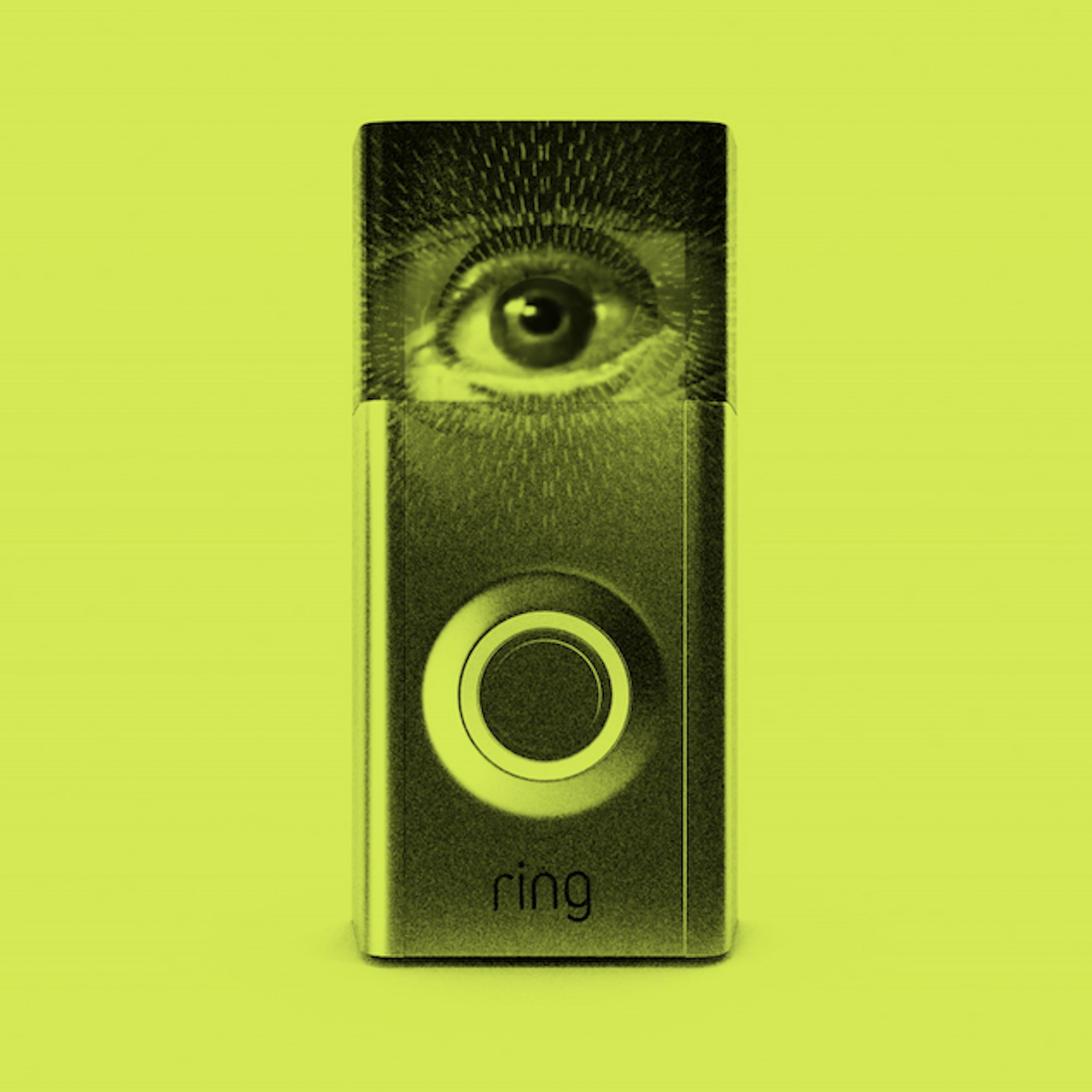
The podcast highlights a core paradox: widespread fear of corporate surveillance systems like Ring coexists with public praise for citizens using identical technology (cell phones) to record law enforcement. This demonstrates that the perceived controller and intent, not the technology itself, dictate public acceptance of surveillance.
Apple's plan for AirPod cameras that can't record photos is a strategic move to address privacy concerns upfront. By designing a feature that offers AI context without creating surveillance risks, Apple can differentiate from competitors like Meta and build the trust necessary for mass adoption of AI wearables.

Facing public backlash and bans of its camera glasses, Meta is not retreating. Instead, it is pursuing a 'brute force' strategy by gifting millions of pairs to influencers, veterans, and partners. The goal is to normalize the controversial technology through sheer market saturation and cultural ubiquity, betting that ubiquity will overcome user discomfort.
Contrary to its "AI device" branding, the top use case for Meta's glasses is audio for phone calls and music. This grounds the futuristic product in a familiar, high-value behavior, effectively making the glasses superior earbuds and easing users into more advanced AI features.