Get your free personalized podcast brief
We scan new podcasts and send you the top 5 insights daily.
OpenAI's design process is not one-size-fits-all. For core, lasting features, they obsess over details and try hundreds of options. For experimental features where technology is in flux, they embrace speed and "building in public." The key is to be adaptable and not be precious about work that may become obsolete tomorrow.

Related Insights
AI tools accelerate development. Instead of using this new speed to add more features (increasing scope), designers should leverage it to deepen the craft and quality of the core, essential features, creating an experience users have never seen before.
When working at the frontier of AI, designers must resist the urge to polish every detail. Since underlying models and product shapes change rapidly, time is better spent on future-looking conceptual problems that AI cannot yet solve, rather than on features with a short lifespan.
Unlike traditional software development, where consistency is paramount, AI development requires testing many ideas quickly. Anthropic intentionally launches overlapping features to see which form factor users prefer, accepting the cost of a less consistent UX in exchange for speed and market feedback.

OpenAI operates with a "truly bottoms-up" structure because it's impossible to create rigid long-term plans when model capabilities are advancing unpredictably. They aim fuzzily at a 1-year+ horizon but rely on empirical, rapid experimentation for short-term product development, embracing the uncertainty.

In the age of AI, perfection is the enemy of progress. Because foundation models improve so rapidly, it is a strategic mistake to spend months optimizing a feature from 80% to 95% effectiveness. The next model release will likely provide a greater leap in performance, making that optimization effort obsolete.

Framing OpenAI as a new hyperscaler, rather than a typical product company, rationalizes its numerous experimental launches. Like Google, it's expected that many "bets" will fail, but the strategy is to explore many fronts to find the next major growth engine.

Contrary to assumption, the design process at OpenAI isn't about planning for a distant future. It's a fast-paced environment where designers work in close concert with the latest research advancements, adapting to new capabilities as they emerge.
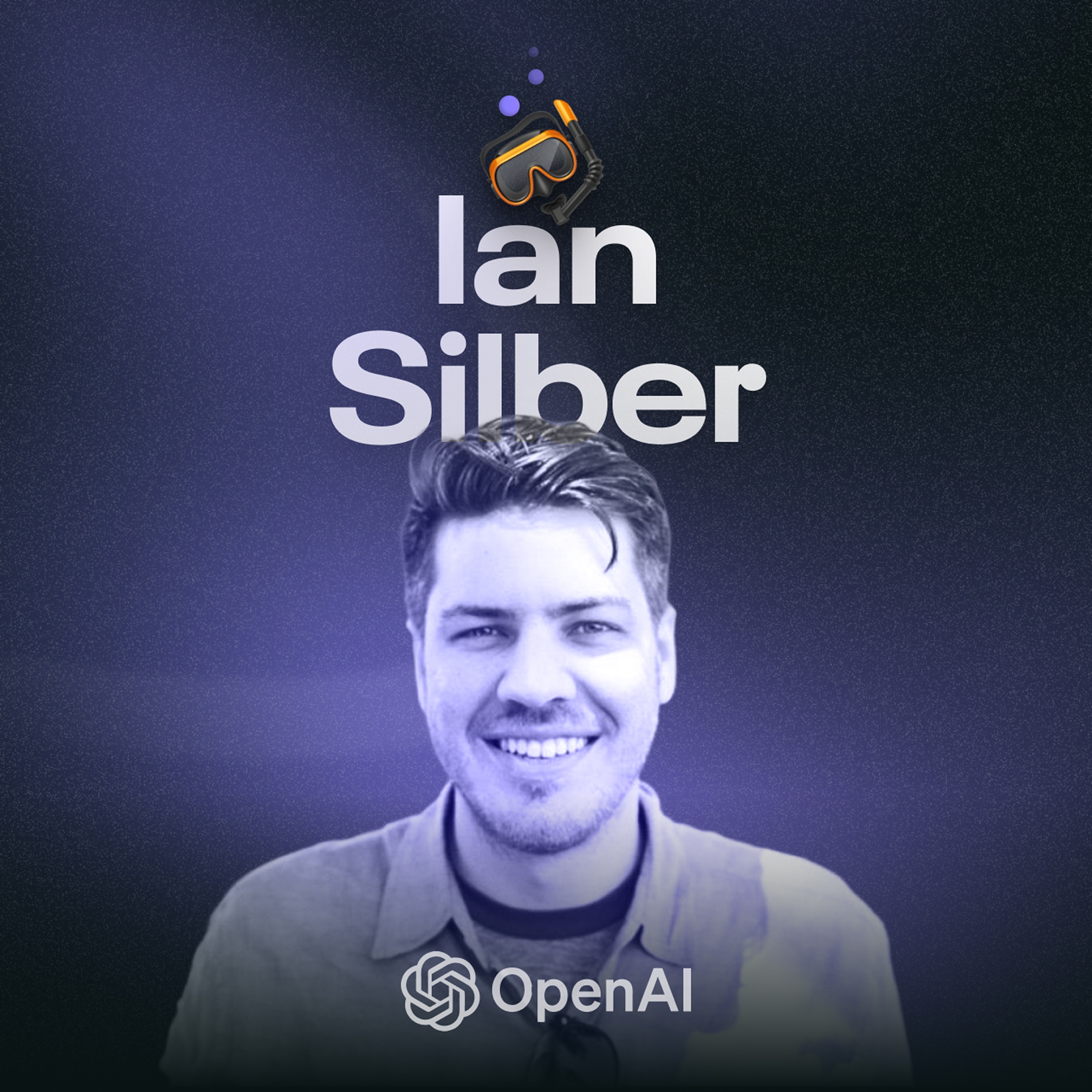
At OpenAI, the development cycle is accelerated by a practice called "vibe coding." Designers and PMs build functional prototypes directly with AI tools like Codex. This visual, interactive method is often faster and more effective for communicating ideas than writing traditional product specifications.
OpenAI runs numerous parallel research projects (expansion), knowing most will fail. When a few show promise, it consolidates talent and resources onto those winners (contraction) to scale them up, before spreading out again to explore the next frontier. This cycle is applied to product as well.

To innovate at the speed of AI, adopt the mindset that anything you build today could be made obsolete by next week's model release. This forces you to hold ideas loosely, constantly update your beliefs, and prioritize learning and exploration over perfection.