Get your free personalized podcast brief
We scan new podcasts and send you the top 5 insights daily.
AI coding agents are fundamentally changing the developer workflow. Engineers are increasingly using voice commands with tools like foot pedals to direct AI, moving away from manual typing. This shift merges the traditionally separate functions of product management, design, and engineering into a single creative act.

Related Insights
The historical separation between product management, design, and engineering is dissolving. AI assistants handle the coding, allowing a single person to define the product (PM), ensure high-quality aesthetics and UX (designer), and direct the technical implementation (engineer), thus converging the three roles.

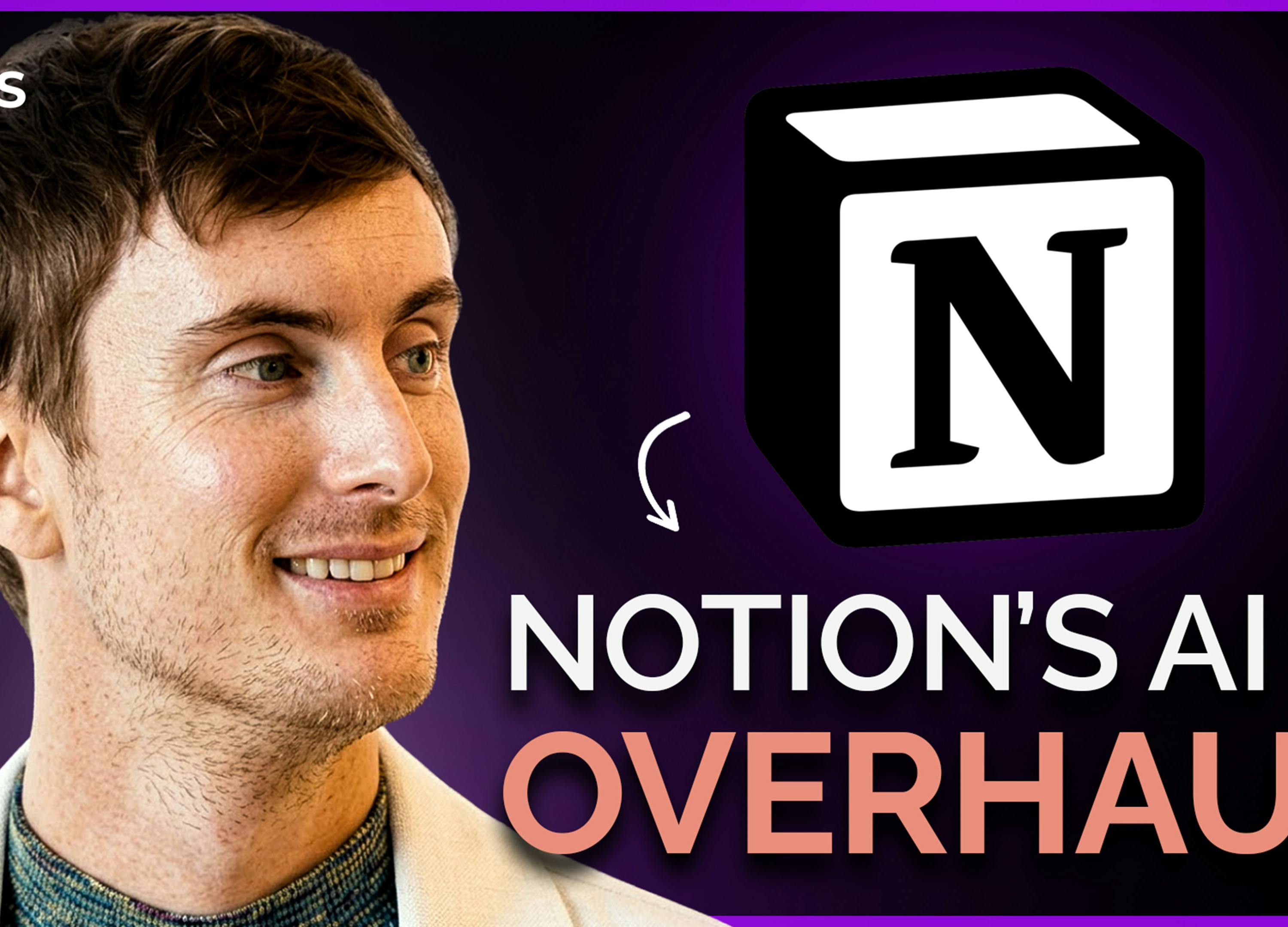
The engineering role is shifting from direct coding to 'agent management.' Notion's co-founder Simon Last no longer types code; instead, he designs end-to-end tasks, assigns them to AI agents, and verifies the final output. This represents a fundamental change in the software development workflow.
AI tools are blurring the lines between product, design, and engineering. The future PM will leverage AI to not only spec features but also create mockups and even write and check in code for smaller tasks, owning the entire lifecycle from idea to delivery.

New IDEs like Gastown, with roles like 'overseer' and 'mayor' managing AI agent 'convoys,' reveal the developer's future. The job is becoming less about writing code line-by-line and more about high-level orchestration, prompting, and reviewing the output of specialized AI agents to complete complex tasks.
AI's rapid capability growth makes top-down product specs obsolete. Product Managers now work bottoms-up with engineers, prototyping and even checking in code using AI tools. This blurs traditional roles, shifting the PM's focus to defining high-level customer needs and evaluating outcomes rather than prescribing features.
![Gokul Rajaram - Lessons from Investing in 700 Companies - [Invest Like the Best, EP.456] thumbnail](https://megaphone.imgix.net/podcasts/a35cb364-fc94-11f0-a24d-836fa963ece3/image/f64963c59af651cbb2d022f3a0dd7199.jpg?ixlib=rails-4.3.1&max-w=3000&max-h=3000&fit=crop&auto=format,compress)
AI is blurring the lines on product teams. Product managers can now generate high-fidelity prototypes without designers and even commit simple code changes with AI assistance. This role compression accelerates the development cycle and changes team dynamics.

The rise of AI doesn't spell the end of programming. Instead, it automates tedious implementation, elevating the programmer's role to focus on system design, UX, and problem-solving. Future coding will resemble a product manager's work: directing AI tools with natural language to achieve a desired outcome.

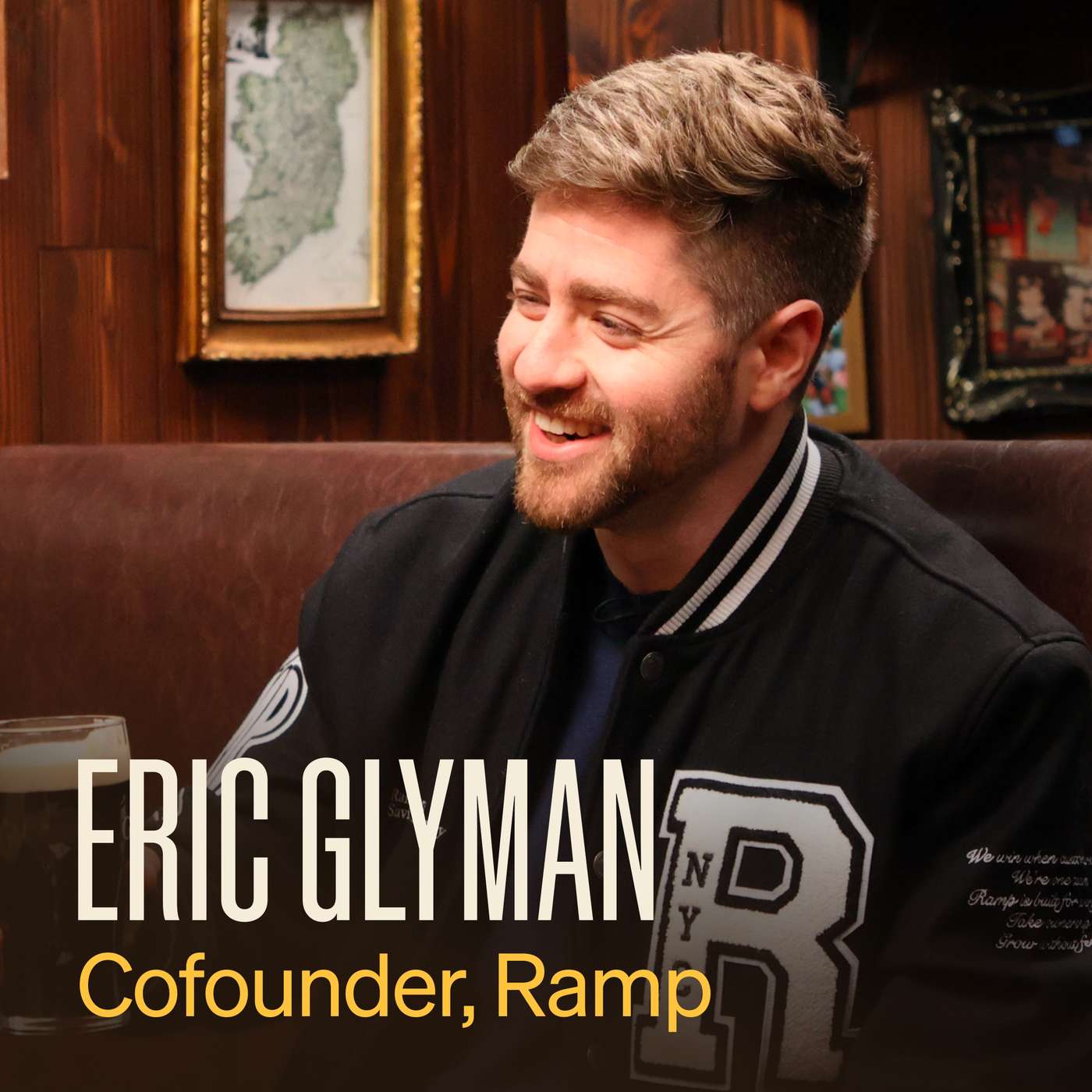
With AI coding assistants, the barriers to shipping software are eroding. At Ramp, designers and customer support agents are now shipping code to production. This suggests a future where the traditional, siloed Engineering, Product, and Design (EPD) team structure becomes obsolete.
AI coding agents compress product development by turning specs directly into code. This transforms the PM's role from a translator between customers and engineers into a "shaper of intent." The key skill becomes defining a problem so clearly that an agent can execute it, making the spec itself the prototype.

Experienced engineers using tools like Claude Code are no longer writing significant amounts of code. Their primary role shifts to designing systems, defining tasks, and managing a team of AI agents that perform the actual implementation, fundamentally changing the software development workflow.
