Get your free personalized podcast brief
We scan new podcasts and send you the top 5 insights daily.
To maintain startup intensity, Elon Musk intentionally ran Tesla on a razor-thin cash reserve—just one quarter's worth—even after it was a public company. This 'starve the balance sheet' approach prevents complacency and ensures the team operates with maximum speed and motivation, as if survival is always at stake.

Related Insights
At Tesla, critical priorities weren't chosen from a list of options; they were dictated by existential threats. The focus became whatever problem would cause bankruptcy if left unsolved. This creates an intense, survival-driven roadmap that forces clarity and action.

Tesla's proposed 10-year, performance-based compensation plan is more than just a paycheck. It's a strategic mechanism designed to secure Elon Musk's long-term commitment and focus his attention exclusively on achieving Tesla's hyper-aggressive growth targets, like an $8 trillion valuation.

A core tenet of Gates's management philosophy was extreme financial conservatism. He insisted on keeping enough cash in the bank to cover all expenses for a full year, even if revenue dropped to zero. This survival-focused mindset provided a massive strategic advantage and independence from outside capital.

Musk uses intentionally aggressive timelines as a forcing function. He believes a 50% probability deadline pushes teams to their limits, achieving more faster, even if they often miss the target, while a 'safe' deadline encourages waste.

Contrary to common advice, the founder deliberately raised capital in small increments, never securing more than 12 months of runway. He found this self-imposed pressure was a powerful forcing function that kept him and the team sharp and focused on hitting critical milestones.

To get an unfiltered view of progress and maintain urgency, Musk runs highly detailed, weekly engineering reviews. He bypasses direct reports and has their team members provide updates directly, with no advance preparation allowed. This allows him to mentally plot progress and intervene only when success seems impossible.
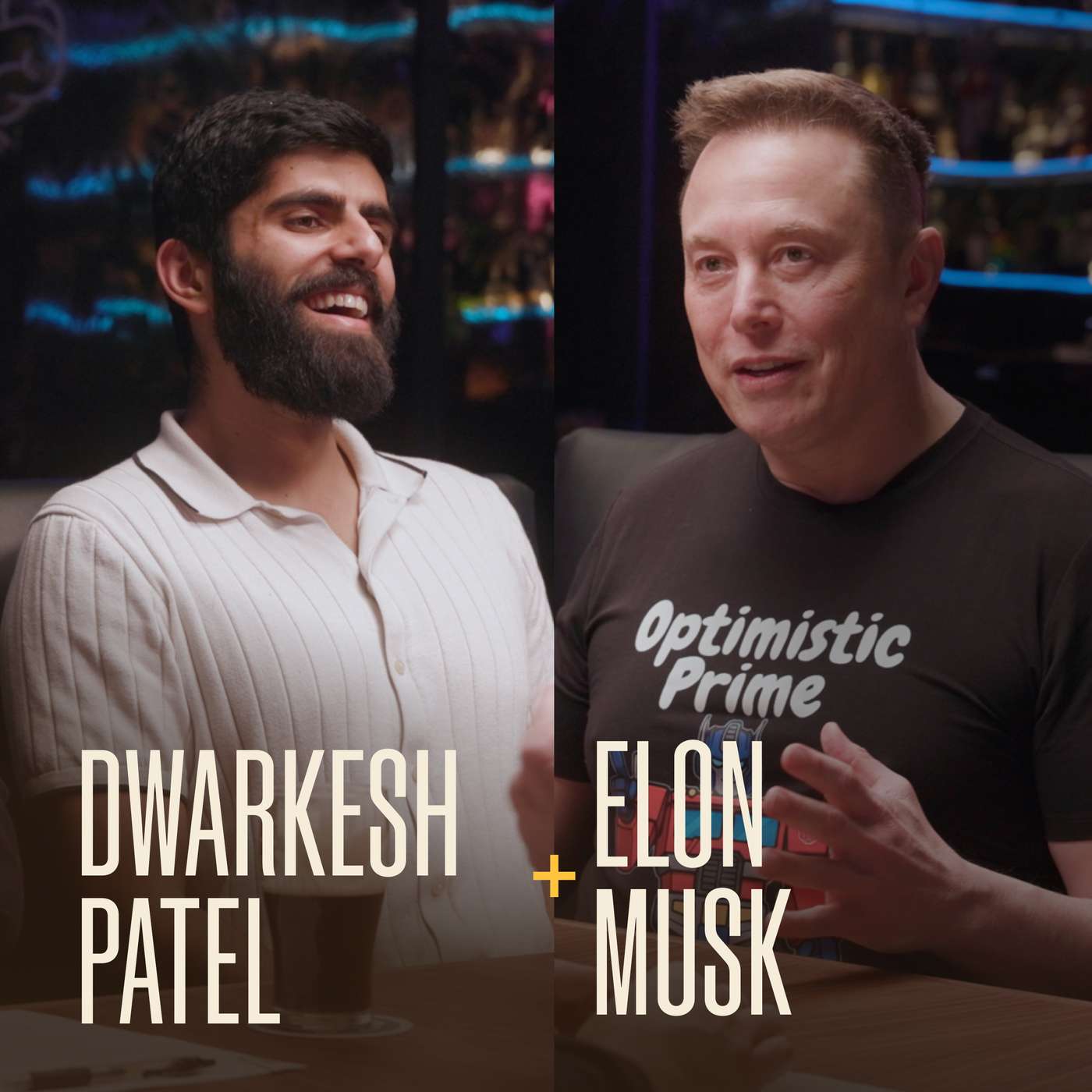
Musk's success stems from his unique ability to attract hyper-intelligent, maniacally driven individuals. These people are drawn to his high-stakes, high-pressure environment, choosing to "burn out under Musk" rather than be bored elsewhere, creating an unparalleled human capital advantage.

Beyond technology, Tesla's durable advantage is its 'capacity to suffer'—a willingness, driven by Elon Musk, to endure extreme hardship like 'manufacturing hell' to solve problems. This allows the company to pursue innovations that more risk-averse competitors would abandon.
Companies tackling moonshots like autonomous vehicles (Waymo) or AGI (OpenAI) face a decade or more of massive capital burn before reaching profitability. Success depends as much on financial engineering to maintain capital flow as it does on technological breakthroughs.

When SpeedSize had less than two months of runway, the co-founders immediately stopped their own salaries. This created a personal sense of urgency, forcing them to solve the cash problem before it impacted the entire team, whose salaries were still months from being at risk.
