Get your free personalized podcast brief
We scan new podcasts and send you the top 5 insights daily.
In a 1569 briefing, William Cecil used a brutal medical metaphor—Elizabeth as a patient, Catholic powers as surgeons, and Mary Queen of Scots as the knife—to frame the existential threat to the realm. This powerful communication tactic was designed to create urgency and justify his hardline security policies.

Related Insights
The most powerful war rhetoric, historically, does not focus on the act of war itself but on the peace and way of life that the conflict aims to protect. By framing the stakes as the potential loss of culture, democracy, and decency, leaders create a deeper emotional connection, making listeners fear the loss of their world, not just the loss of a battle.
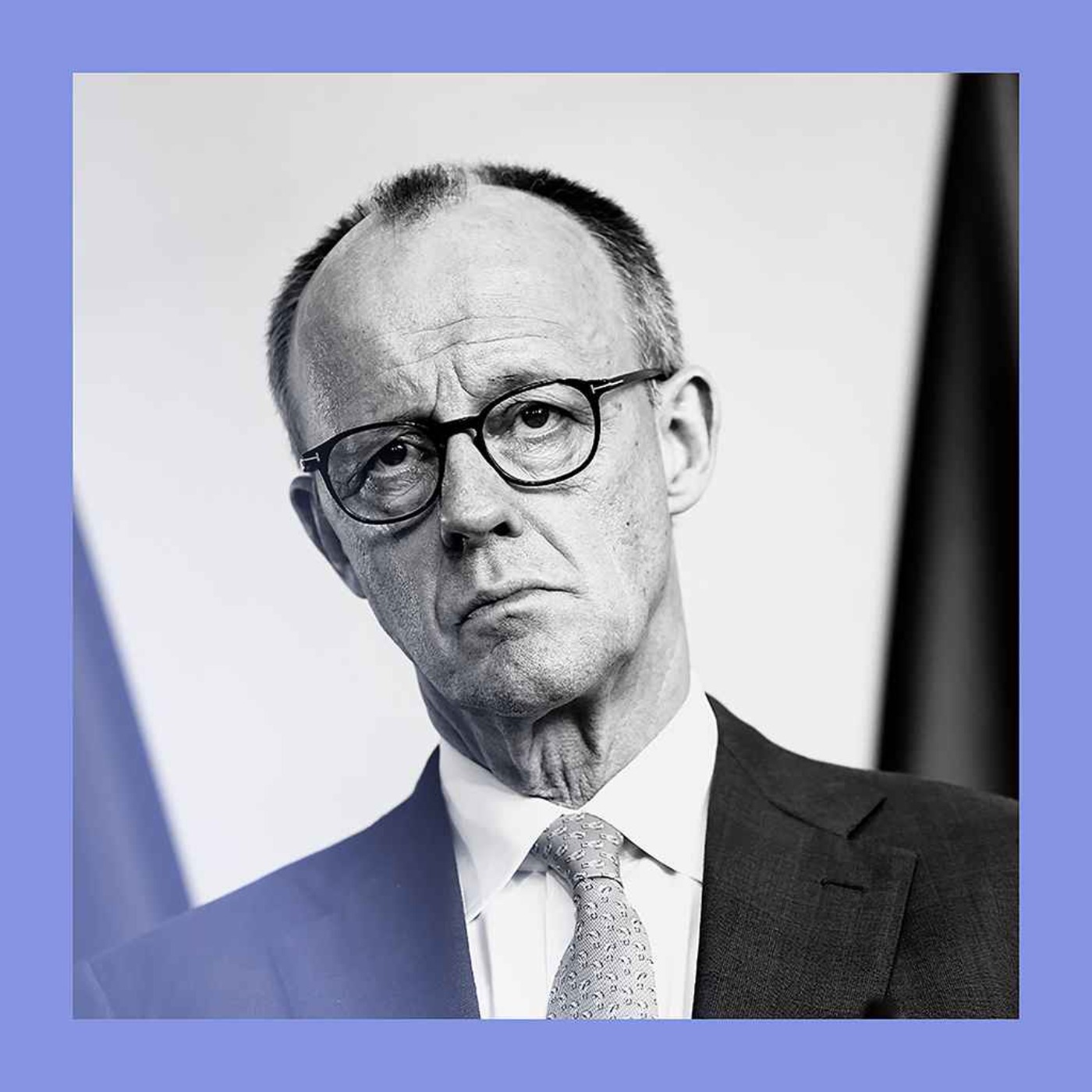
Dick Cheney justified harsh interrogation techniques not by downplaying them, but by reframing the debate as a stark moral choice. He posed a question: 'Are you going to ransom lives for your honor? Or are you going to do your job?' This rhetoric positioned torture as a necessary, albeit unpleasant, duty to prevent future attacks, rather than a legal or ethical violation.

The 1570 Papal Bull excommunicating Queen Elizabeth was a direct political attack, not just a spiritual censure. The decree commanded English Catholics to disobey their queen, effectively transforming loyal subjects into potential traitors overnight. It acted as a fatwa, giving divine sanction to rebellion and assassination plots.
Rather than labeling More as simply "evil" for persecuting heretics, it's more accurate to see his actions as stemming from fear. He believed the Lutheran heresy would lead to the complete breakdown of his society, and this conviction fueled his violent opposition.

The Ridolfi Plot, which implicated Mary Queen of Scots, may not have been simply uncovered but actively manufactured by spymaster William Cecil. By potentially turning the plot's agent into a double agent, Cecil could engineer the "proof" he needed to expose his enemies and pressure Elizabeth into taking decisive action.
Despite immense pressure to execute her Catholic rival Mary, Queen of Scots, Elizabeth consistently refused. This was not about mercy but shrewd political calculation. As an anointed monarch herself, she refused to establish a precedent that killing a queen was acceptable, an act that could ultimately endanger her own life.
To critique Boswell's self-destructive tendencies without a direct confrontation, Johnson used a powerful metaphor. Observing a moth burning itself in a candle, he remarked, "that creature was its own tormentor, and I believe its name was Boswell."

Effective political propaganda isn't about outright lies; it's about controlling the frame of reference. By providing a simple, powerful lens through which to view a complex situation, leaders can dictate the terms of the debate and trap audiences within their desired narrative, limiting alternative interpretations.

The ideological conflict between Protestant England and Catholic Europe was a "war in the shadows" featuring spy chiefs, codebreakers, and double agents. This created a deep paranoia about the "enemy within," mirroring the clandestine dynamics and psychological tensions of the 20th-century Cold War.
While her chief minister William Cecil saw her refusal to marry as a grave risk to succession, Elizabeth's perpetual virginity was a brilliant diplomatic weapon. It allowed her to dangle the prospect of a strategic alliance through marriage, skillfully playing powerful rival nations like France and Spain against each other.