Get your free personalized podcast brief
We scan new podcasts and send you the top 5 insights daily.
The "Bloomberg Money" podcast pitch emphasizes its utility in helping listeners "make better financial decisions." This highlights a key content strategy: framing complex financial news not as mere information, but as a direct tool for improving the listener's personal life and financial outcomes.

Related Insights
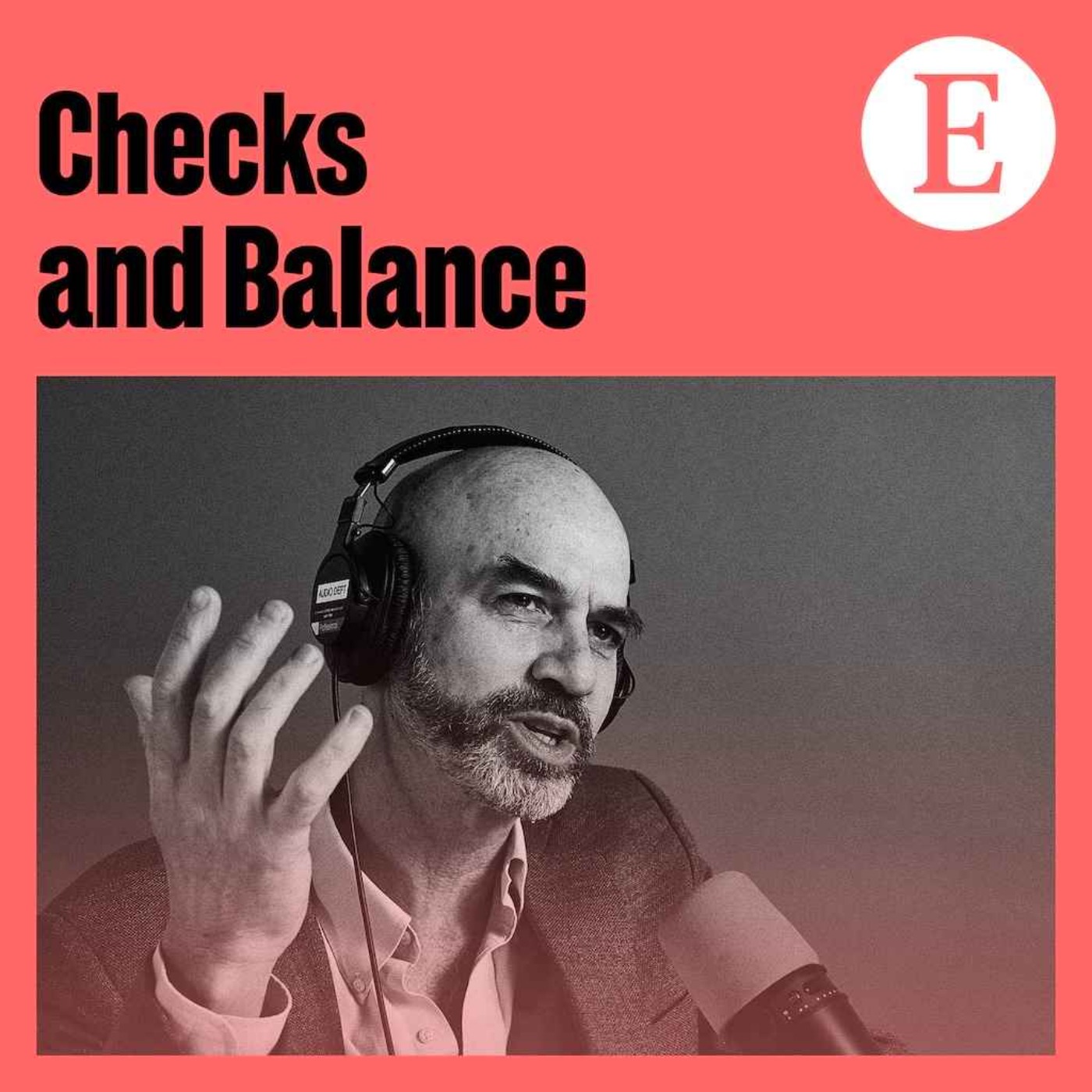
The 'Checks and Balance' podcast differentiates itself by combining data-driven context, a willingness to offer 'unconventional perspectives,' and a critical filter for political rhetoric, which it calls the 'BS o meter.' This creates a unique value proposition for listeners seeking nuanced analysis.
View podcasting as a powerful educational medium, like the printing press for audio. This mindset shifts the focus from pure entertainment to creating timeless, valuable content that educates an audience, fostering a deeper, more loyal connection.

The podcast's pitch actively counters audience burnout by promising a single, curated, "essential" conversation each week. This positioning respects the listener's time and offers a high-signal alternative in a saturated market, framing the podcast as a valuable weekly appointment rather than just another content stream.

Financial transactions will be deeply embedded into all forms of media, from news articles to live sports and podcasts. This transforms media from a channel for commentary *about* markets into the primary interface for participating *in* markets, creating a powerful new user engagement and monetization model for content platforms.

The podcast trailer leads with negative emotions like stress and hatred for discussing money. This approach destigmatizes financial anxiety, making the topic more accessible to an audience that might otherwise be intimidated by a major financial institution. It is a marketing tactic to build trust by showing empathy first.

Most communicators mistakenly focus on the medium (podcasts, TV, blogs). The most leveraged approach is to first craft an irresistible hook and a compelling story. True distribution power is achieved when an idea becomes so interesting that people cannot help but share it themselves.

Bloomberg, a leader in institutional market news, is launching "Bloomberg Money" to serve the personal finance audience. This strategic move leverages their existing brand authority and experts to translate complex economic topics into actionable advice for individuals, tapping into a growing podcast market.
Instead of promising generic economic analysis, the podcast trailer uses concrete, intriguing story hooks like US land value vs. politics or AI vs. Amazon. This strategy makes complex macro topics feel accessible and urgent, attracting a broader audience.

Instead of listing features, structure podcast ad copy around a relatable scenario or story. This prompts listeners to place themselves in the situation, recognize the pain point as their own, and feel that the product is directly for them. This approach is more effective than a simple feature list in an audio-only format.

The Investor's Podcast cultivates community and trust by positioning its vision as learning alongside its audience "in the spirit of Buffett & Munger." This collaborative framing makes complex financial topics more accessible and shifts the dynamic from a one-way broadcast to a shared exploration.
