Get your free personalized podcast brief
We scan new podcasts and send you the top 5 insights daily.
Geopolitical friction is preventing US and Chinese firms from collaborating on new cable projects, leading to the development of redundant, competing systems. This trend risks bifurcating the internet, creating separate spheres of influence and undermining the original vision of a single, open global network.

Related Insights
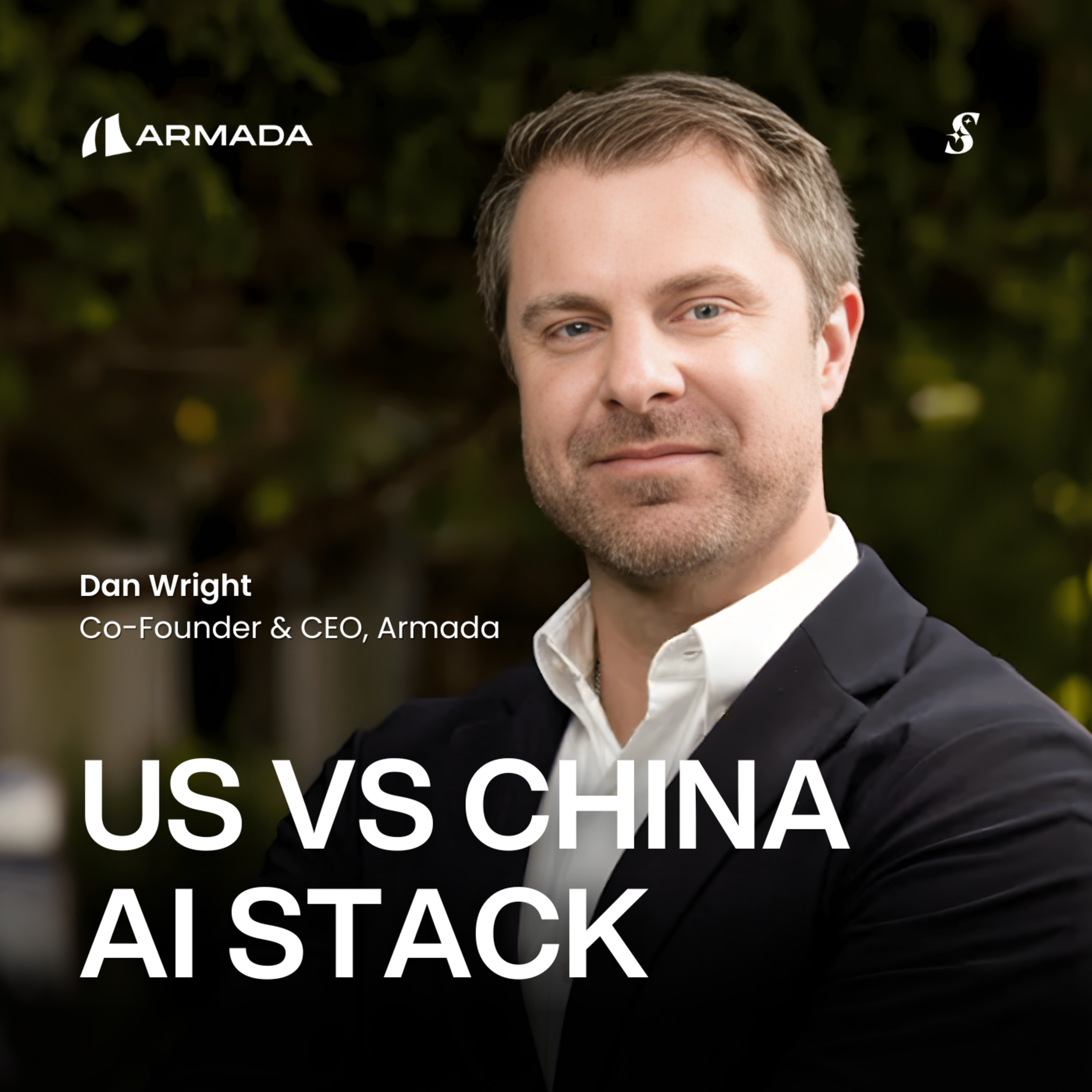
The competition in AI infrastructure is framed as a binary, geopolitical choice. The future will be dominated by either a US-led AI stack or a Chinese one. This perspective positions edge infrastructure companies as critical players in national security and technological dominance.
As the global internet splinters into nationally-regulated zones, many world leaders look with jealousy at China's ability to control its digital "town square." Despite public criticism, the Chinese model of a managed internet appeals to governments seeking greater control over online discourse, even in democracies.
Despite different political systems, the US and Chinese internets have converged because power is highly centralized. Whether it's a government controlling platforms like Weibo or tech oligarchs like Elon Musk controlling X, the result is a small group dictating the digital public square's rules.
The funding model for undersea cables has shifted from state-owned telecom consortiums to private investment, and now to big tech. Giants like Google, Meta, Amazon, and Microsoft now fund and own two-thirds of all new cables, giving them unprecedented control over the internet's physical infrastructure.
While a unipolar world led by one's own country is advantageous, a multipolar world with competing powers like the U.S. and China creates a dynamic tension. This competition may force more compromised global decisions, potentially leading to a more balanced, albeit more tense, international system than one dominated by a single unchallenged power.

With roughly 100 undersea cables cut accidentally each year, the internet remains stable due to immense redundancy. This is achieved through a form of 'coopetition,' where rivals like Google and Meta will purchase backup capacity on each other's proprietary cables to ensure their own services never go down.
As tech giants like Meta fund critical internet infrastructure, they gain immense leverage over developing nations. These countries face a dilemma: accept the cable and potentially cede control over citizen data, or refuse and risk being left behind in the global digital economy.
Due to sanctions and censorship, Russia and China are developing self-contained AI ecosystems. Their markets are dominated by local models (e.g., Yandex, Gigachat, Baidu's Ernie) rather than Western platforms like ChatGPT or Gemini, creating a fragmented global AI landscape with distinct technological trajectories.

Just like global shipping, the internet's physical infrastructure is concentrated in geographic chokepoints. The Red Sea and the Strait of Hormuz are critical corridors for data traffic between Asia and Europe, making them highly vulnerable to disruption by malicious actors.
The country that controls the physical internet infrastructure (hardware) can compromise everything running on it. This makes hardware the decisive battlefield in the global technology war, more critical than software-level information operations.