Get your free personalized podcast brief
We scan new podcasts and send you the top 5 insights daily.
While semiconductors get the headlines, the AI supply chain's vulnerability is equally high in thousands of other inputs like precision reducers, server motors, and actuators. The US strategy focuses on these less-visible but critical areas, particularly the robotics supply chain, which is almost entirely dominated by China.

Related Insights
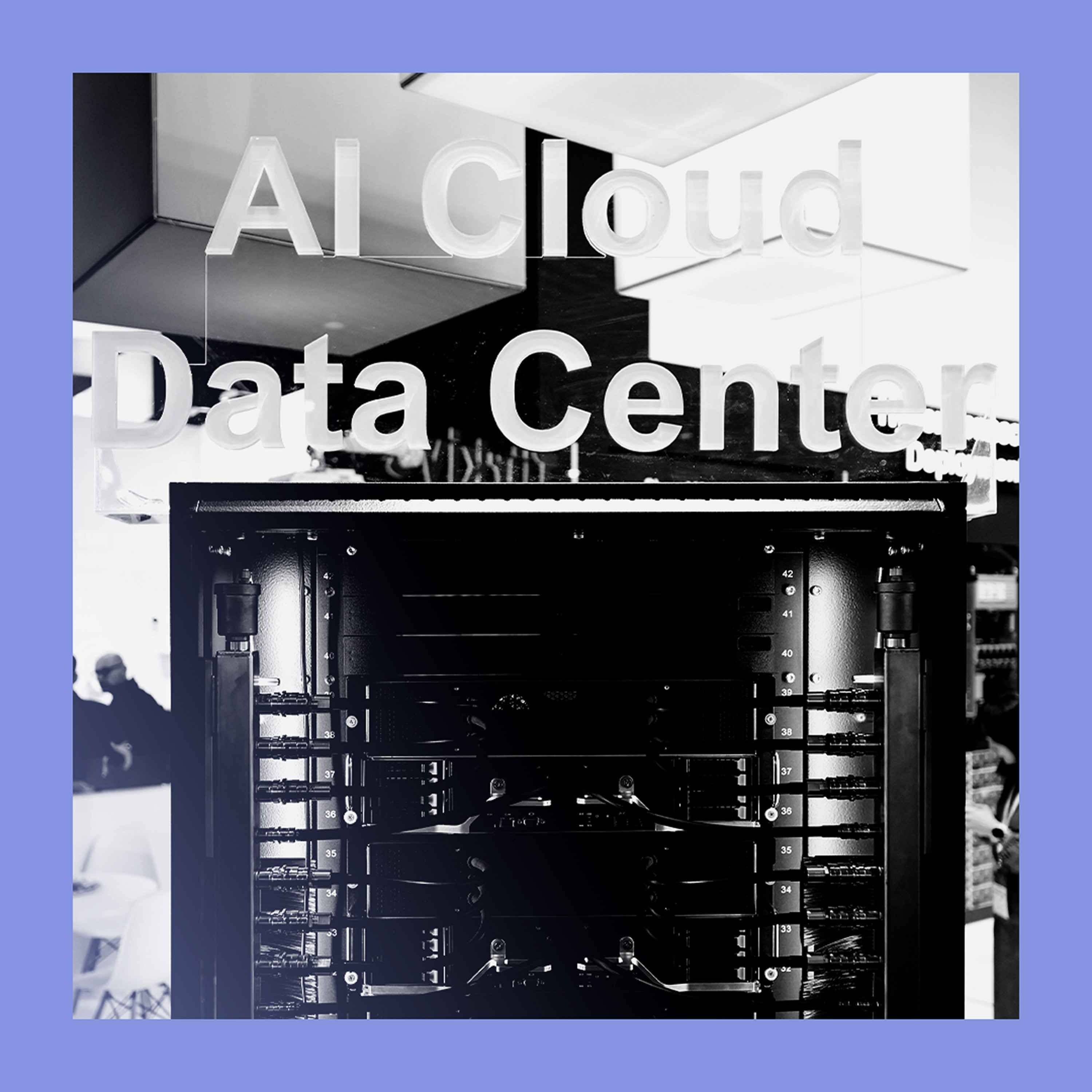
The AI supply chain is crunched not just by obvious components like TSMC wafers and HBM memory. A significant, often overlooked bottleneck is rack manufacturing—including high-speed cables, connectors, and even sheet metal—which are "sneaky hard" due to extreme power, heat, and signal integrity demands.

The strategic competition with China is often viewed through a high-tech military lens, but its true power lies in dominating the low-tech supply chain. China can cripple other economies by simply withholding basic components like nuts, bolts, and screws, proving that industrial basics are a key geopolitical weapon.

While the West obsesses over algorithmic superiority, the true AI battlefield is physical infrastructure. China's dominance in manufacturing data center components and its potential to compromise the power grid represent a more fundamental strategic threat than model capabilities.

The U.S. may lead in foundational AI models, but its ability to mass-produce humanoid robots like Tesla's Optimus is critically dependent on Chinese suppliers for key components like roller screws and motors. This creates a significant strategic weakness in a potential manufacturing race.

While the US can assemble advanced drones, a significant national security risk lies in the supply chain for their basic components, many of which come from China. The strategic imperative is to "shift left" and onshore the manufacturing of these foundational parts to secure the entire defense industrial base, not just the final product.

While headlines focus on advanced chips, China’s real leverage comes from its strategic control over less glamorous but essential upstream inputs like rare earths and magnets. It has even banned the export of magnet-making technology, creating critical, hard-to-solve bottlenecks for Western manufacturing.

Beyond financial metrics, the most significant 'tail risk' to the AI boom is the high concentration of advanced semiconductor manufacturing overseas, particularly in Taiwan. A geopolitical conflict could sever the supply of essential hardware, posing a much more fundamental threat to the industry's growth than market volatility or corporate overspending.

The AI supply crunch extends beyond advanced processors. The industry faces critical shortages of basic components like electrical transformers and switches, with lead times stretching three to five years. This creates a less obvious but significant bottleneck for building the necessary data center infrastructure.
While the West may lead in AI models, China's key strategic advantage is its ability to 'embody' AI in hardware. Decades of de-industrialization in the U.S. have left a gap, while China's manufacturing dominance allows it to integrate AI into cars, drones, and robots at a scale the West cannot currently match.

The AI race is a national security imperative, akin to the Cold War arms race. However, the US is critically dependent on China for the copper, rare earths, and other materials required to build and power AI data centers, creating a massive strategic vulnerability.
