Get your free personalized podcast brief
We scan new podcasts and send you the top 5 insights daily.
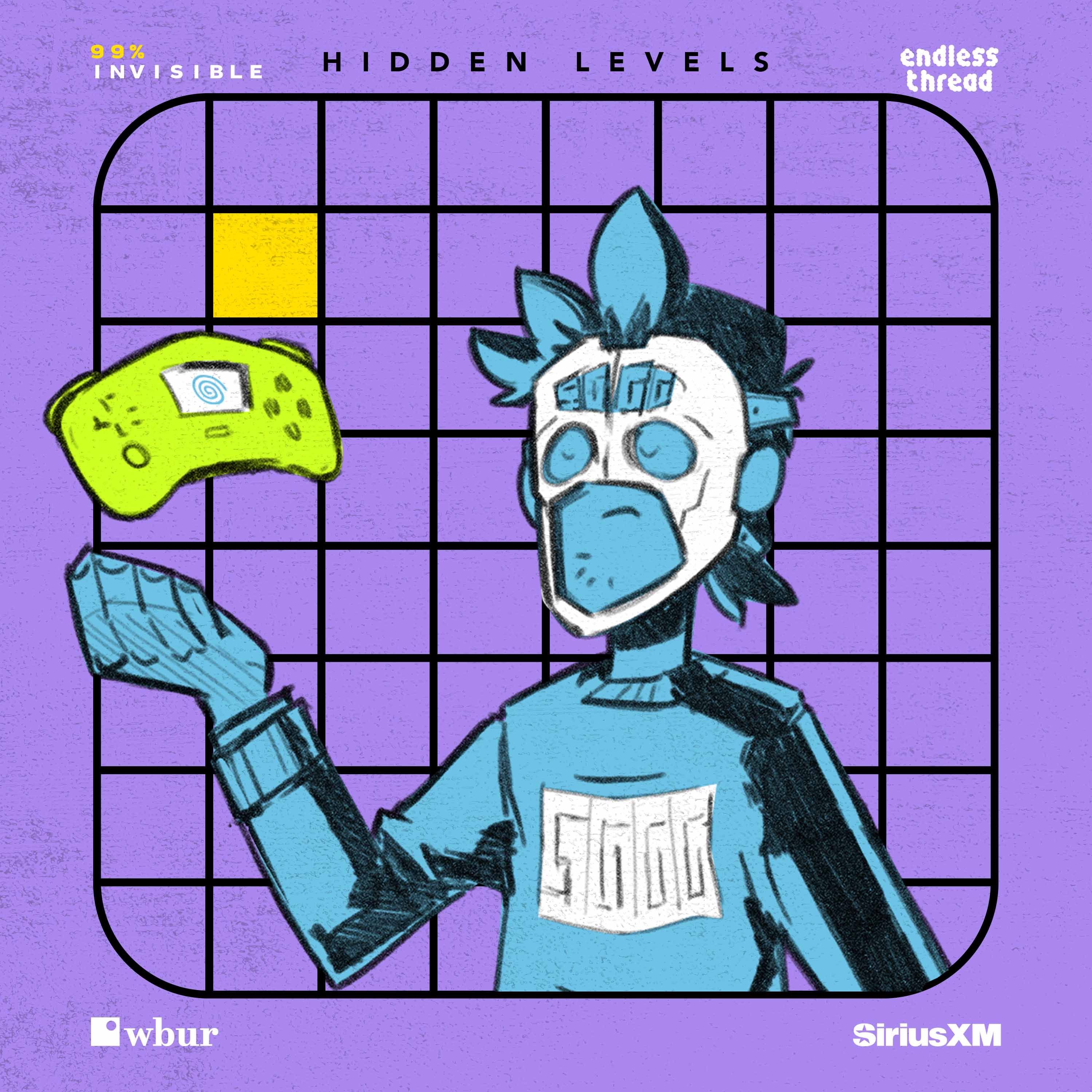
The game *Sega Gaga* parodied Sega's market struggles. Coincidentally, its release aligned with Sega's real-life announcement that it was discontinuing the Dreamcast. This real-world news gave the game immense, free publicity and transformed it from a parody into a poignant final statement on the company's hardware era.
Related Insights
When the gaming industry pivoted from 2D pixel art to 3D graphics, it wasn't just a technological change. For developers like Tez Okano, it was an emotional collapse. He described it as "watching the collapse of an empire," where the meticulous craft of pixel art was suddenly deemed obsolete, forcing artists to adapt or face unemployment.
During its struggle in the "console wars," Sega approved *Sega Gaga*, a game by developer Tez Okano that was a meta-commentary on the company's failures. This act of self-parody showcased an unusual corporate culture willing to embrace creative risk and self-criticism as a last-ditch effort to innovate.
In the game *Sega Gaga*, combat involves weakening opponents by launching insults. Developer Tez Okano sourced this dialogue directly from his coworkers, recording things people actually said in the office. This demonstrates a radical approach to authenticity, turning internal company stress into a core gameplay feature.
The limited memory of early '90s arcade machines forced NBA Jam's voice lines to be extremely short. This technical limitation inadvertently led to the creation of punchy, memorable catchphrases like "He's on fire!" that defined the game's identity and became iconic.
After "America's Army" was outmatched by commercial titles, the military shifted its strategy. It stopped making its own games and instead focused on reaching gamers where they were, appearing at launch events for games like Halo and consulting for franchises like Call of Duty.
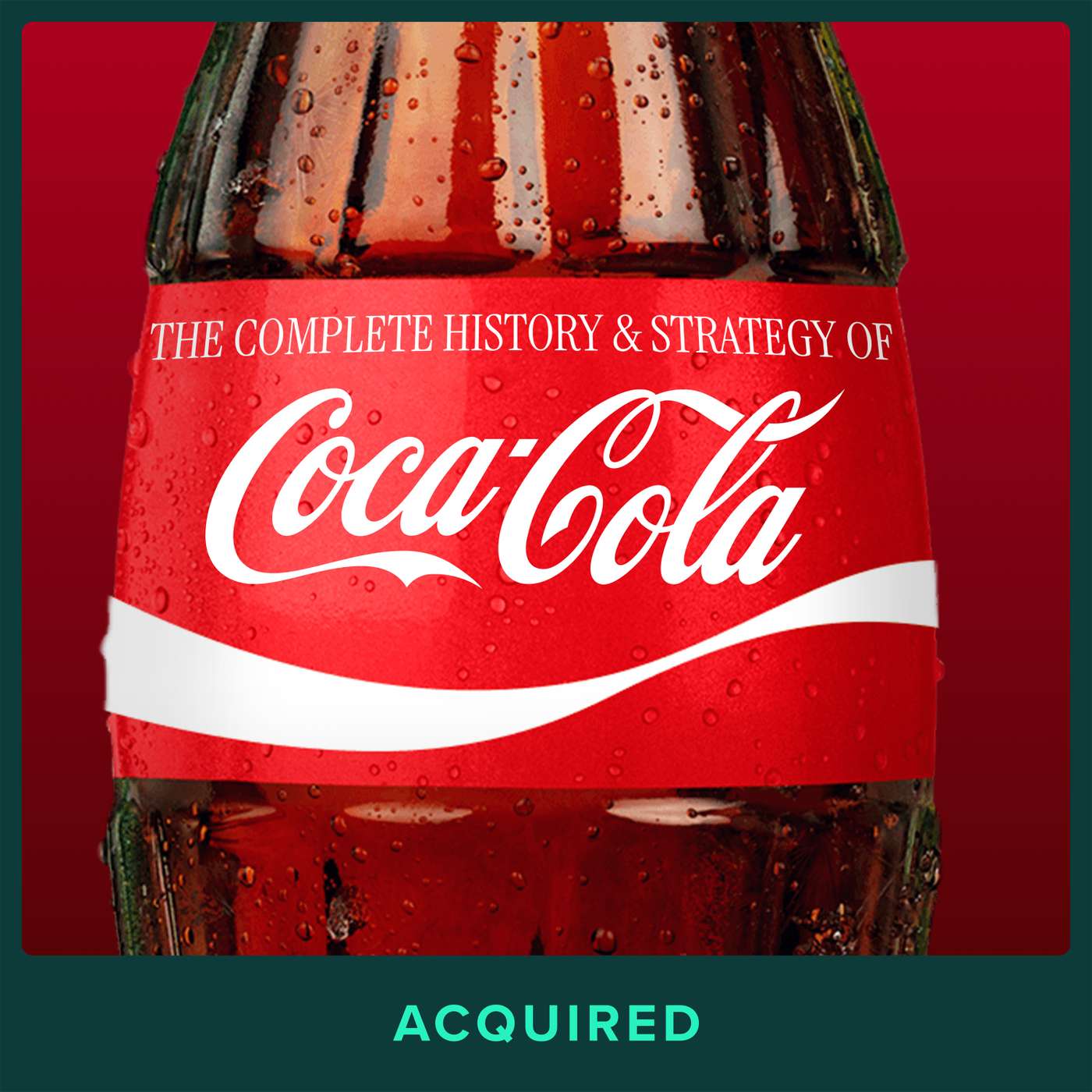
The disastrous "New Coke" launch, intended to win taste tests, triggered a massive public outcry that demonstrated the brand's deep cultural power. By bringing back "Coca-Cola Classic," the company inadvertently created the most effective marketing campaign imaginable, reminding consumers of their love for the original and halting Pepsi's momentum.
After several unsuccessful projects, Sega developer Tez Okano was given a shoestring budget. This constraint forced him to create a deeply personal game, *Sega Gaga*, based on his own workplace experiences. The lack of resources paradoxically fostered a unique and innovative concept that a large budget might have stifled.
OpenAI launched Sora 2 knowing it would generate copyrighted content to achieve viral growth and app store dominance, planning to implement controls only after securing market position and forcing rights holders to negotiate.

Sony neutralized Sega's technologically superior Dreamcast by pre-emptively marketing the upcoming PlayStation 2. They used evocative but abstract concepts like the "Emotion Engine" to convince consumers to wait, demonstrating how a powerful marketing narrative can defeat a superior product already on the market.
The game's impact created a cultural feedback loop. Phrases like "Boom-shaka-laka" and "He's heating up," invented for the arcade, were adopted by real-life basketball commentators, demonstrating how a successful product can actively shape the culture it originally sought to emulate.