Get your free personalized podcast brief
We scan new podcasts and send you the top 5 insights daily.
When facing a crisis, Fibrogen's CEO decided to shut down discovery research programs. The value inflection opportunity was too far in the future, and capital was better spent on assets with the potential to create more near-term value, ensuring the company's survival.

Related Insights
A CEO's primary role differs fundamentally based on company type. In an asset-centric biotech, the CEO must act as a hands-on program manager, micromanaging execution. In a platform company, the CEO must be deeply embedded in the science to predict and leverage the technology's long-term trajectory.

The focus in advanced therapies has shifted dramatically. While earlier years were about proving clinical and technological efficacy, the current risk-averse funding climate has forced the sector to prioritize commercial viability, scalability, and the industrialization of manufacturing processes to ensure long-term sustainability.

While a challenging fundraising market seems negative, it forces startups to operate with discipline. Unlike in frothy markets where companies expand based on hype, the current climate rewards tangible results. This compels a lean structure focused on high-value projects, creating a healthier long-term business model.

Third Harmonic CEO Natalie Hollis was named a 'best CEO' not for a breakthrough, but for responsibly shutting down her struggling company and returning capital to investors, showcasing a mature alternative to slowly bleeding out cash reserves.

Jonathan Steckbeck argues Jack Welch's focus on short-term shareholder value destroyed GE long-term. He presents this as a dangerous parallel for the pharmaceutical industry, where 10-12 year development cycles are fundamentally incompatible with short-term thinking and demand a long-range vision.

A decade ago, Neurocrine made the difficult decision to pause development of a promising CRF2 agonist. This ruthless prioritization freed up essential capital and focus to successfully develop what became INGREZZA, their blockbuster drug, demonstrating a long-term strategy of sacrificing a good opportunity for a great one.
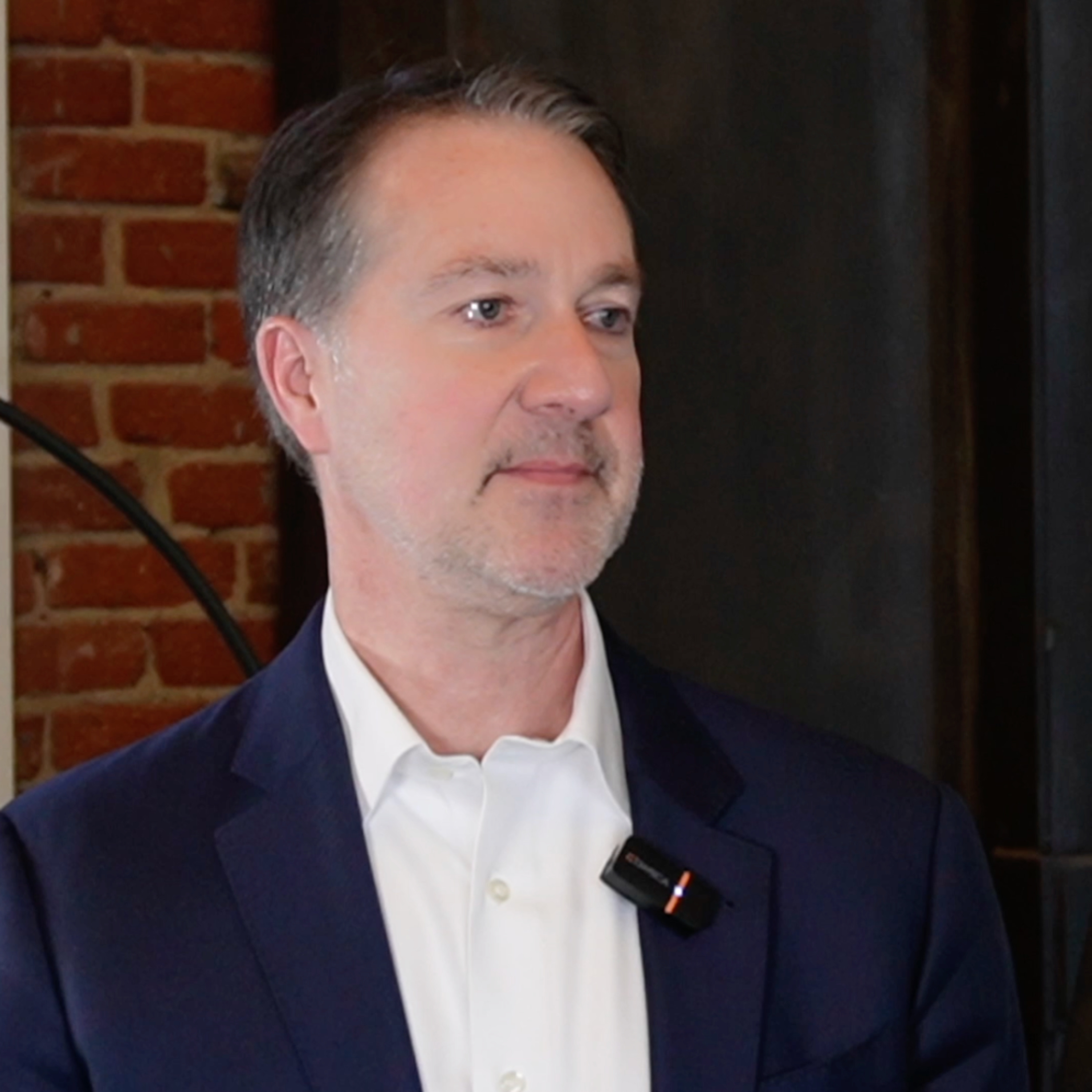
Drug development can take a decade, a timeframe that misaligns with typical investor horizons and employee careers. Success requires navigating fluctuating capital market cycles and implementing strategies to retain key scientific talent for the long haul.
Luba Greenwood argues that unlike in tech, many biotech CEOs lack P&L experience. In today's cash-constrained market, CEOs need to be able to build financial models and understand finance deeply to be effective, a skill she personally developed after transitioning from law and science.
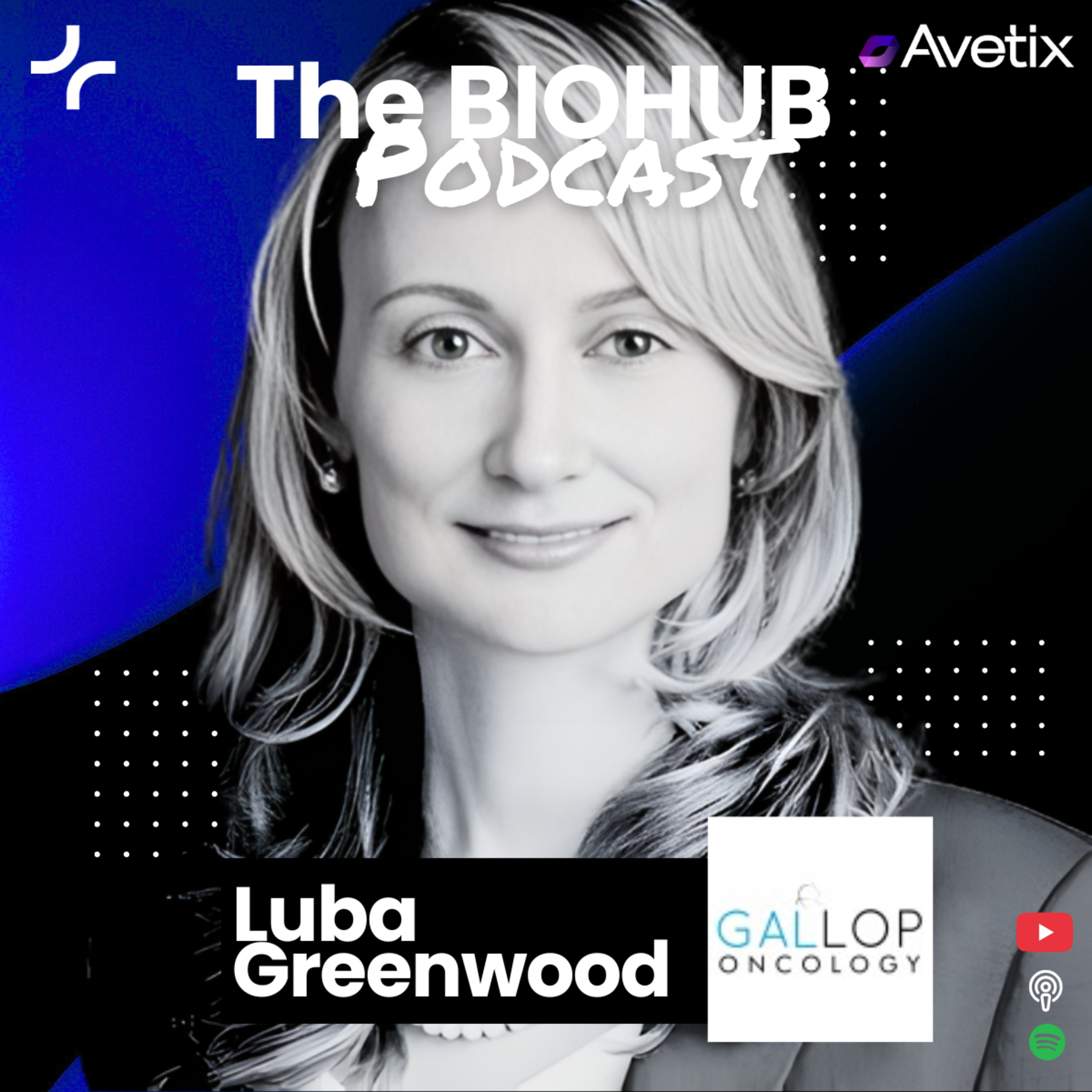
While success is celebrated publicly, some of the best leadership happens privately when a CEO makes the tough, candid call to shut down a program or company due to unfavorable data. This "truth-seeking" decision, often against their personal interest, is a hallmark of excellence.

After two major clinical trial failures caused Fibrogen's market cap to fall from $5.5B to under $200M, the CEO executed a radical survival plan. He reduced headcount from 325 to about 50 and negotiated out of a crippling $90M lease to secure the company's future.