Get your free personalized podcast brief
We scan new podcasts and send you the top 5 insights daily.
The FCC's move to apply equal time rules to late-night talk shows, seen as a partisan attack, will likely fail. Any legal challenge would force the same standard to be applied to the heavily Republican-dominated AM talk radio landscape, a precedent conservatives would not want to set.

Related Insights
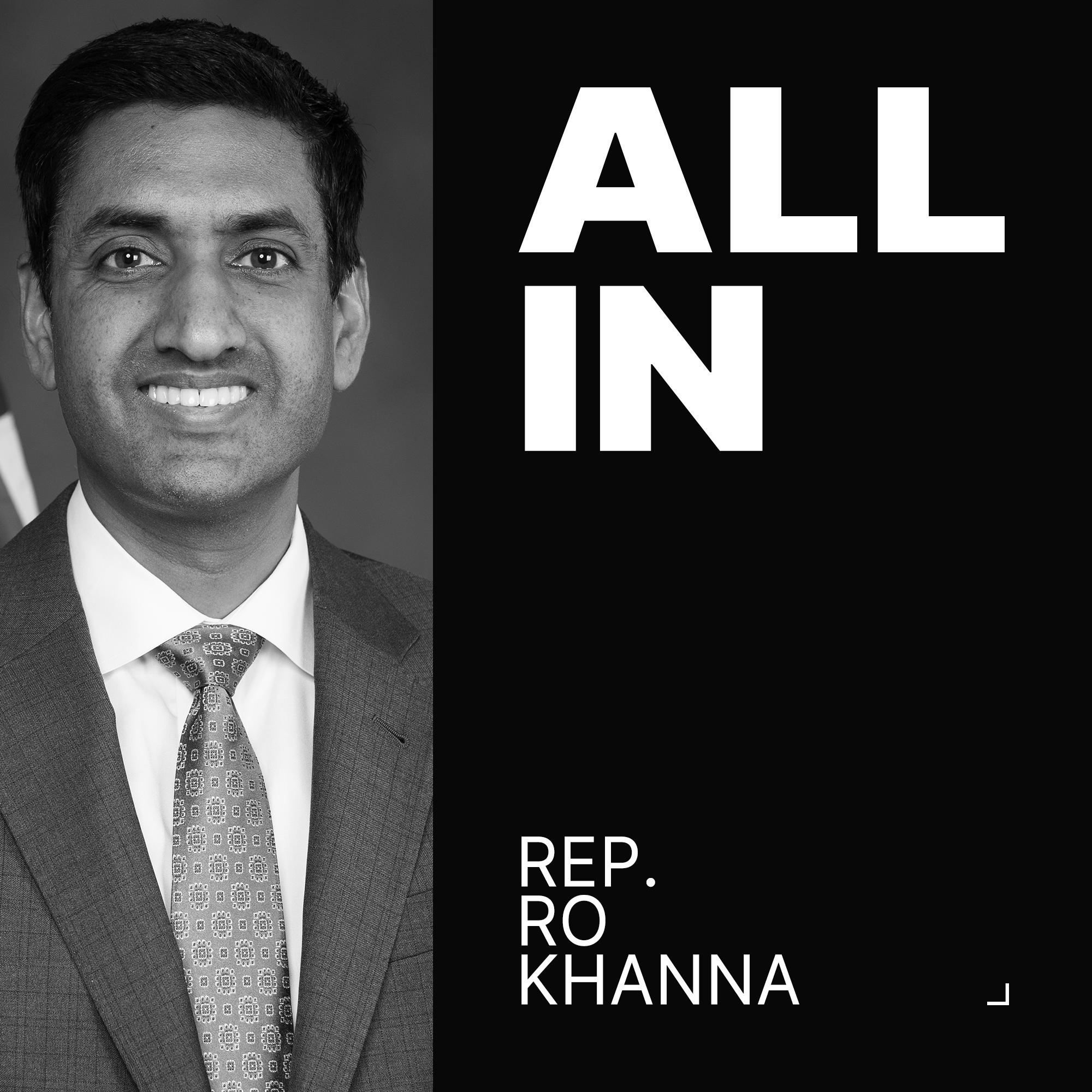
Ro Khanna argues that the true measure of a commitment to free speech isn't defending allies, but defending the speech of opponents. He builds credibility by citing his record of defending views he disagrees with, asserting this consistency is lacking on both political sides.
The Trump administration's strategy for control isn't writing new authoritarian laws, but aggressively using latent executive authority that past administrations ignored. This demonstrates how a democracy's own structures can be turned against it without passing a single new piece of legislation, as seen with the FCC.

Senator Ed Markey argues that government overreach succeeds partly because large media companies choose to "roll over" and pay fines or accept chilling effects rather than legally challenging threats to their First Amendment rights. This corporate capitulation is a key, overlooked factor in the erosion of free speech.
FCC Chairman Brendan Carr is reversing decades of deregulation by reasserting control over broadcast TV content while maintaining a hands-off approach to the internet. This creates a free speech double standard where the delivery mechanism, not the content, determines government scrutiny, targeting weaker legacy media.
In a polarized media environment, audiences increasingly judge news as biased if it doesn't reflect their own opinions. This creates a fundamental challenge for public media outlets aiming for objectivity, as their down-the-middle approach can be cast as politically hostile by partisans who expect their views to be validated.

Richter argues that late-night talk shows, existing as cheap vehicles for celebrity publicity, are no longer relevant. The internet provides endless access to stars, making the traditional format of a celebrity telling a rehearsed story on a couch feel dated and uninteresting to modern audiences.

The FCC, under Chairman Carr, is arguing for new authority to preempt state AI laws, a direct contradiction of its recent argument that it lacked authority over broadband in order to dismantle net neutrality. This reveals a strategy of adopting whatever legal philosophy is convenient to achieve a specific political outcome.
The swift reversal by Sinclair and Nexstar on blacking out Jimmy Kimmel demonstrates that coordinated economic pressure from consumers and advertisers can be a more effective and rapid check on corporate political maneuvering than traditional political opposition, which often lacks the same immediate financial leverage.

Unlike Big Tech firms with nearly unlimited resources to fight legal battles, traditional media companies are financially weaker than ever. This economic vulnerability makes them susceptible to government pressure, as they often cannot afford the protracted litigation required to defend their First Amendment rights.
While both the Biden administration's pressure on YouTube and Trump's threats against ABC are anti-free speech, the former is more insidious. Surreptitious, behind-the-scenes censorship is harder to identify and fight publicly, making it a greater threat to open discourse than loud, transparent attacks that can be openly condemned.
