Get your free personalized podcast brief
We scan new podcasts and send you the top 5 insights daily.
The "thermonuclear" language describing Apple's lawsuit against OpenAI is a deliberate callback to Steve Jobs' famous 2010 war on Google's Android. This signals that Apple views OpenAI not just as a competitor, but as an existential threat requiring an all-out, Jobs-ian response.

Related Insights
Apple's biggest AI risk isn't a competitor's chatbot; it's that AI itself will become the operating system, generating app UIs on the fly. This would make Apple's primary moat—its app ecosystem—irrelevant. Its only remaining advantage would be iMessage, which a competitor like Meta could combine with OpenAI's tech to dethrone the iPhone.

Elon Musk's massive lawsuit against OpenAI is not a decisive endpoint but a single battle in a protracted war for AI supremacy. The war will ultimately be won by market domination, not legal verdicts, making the lawsuit a strategic tool that could become a costly distraction.

The new version of Siri has "nerfed" its once-hyped ChatGPT integration. Users must now invoke it with a specific text prompt each time, with no prominent UI. This signals a clear strategic pivot by Apple, distancing itself from OpenAI and suggesting an ideological rift similar to its falling out with Facebook.

The $134 billion lawsuit against OpenAI isn't Elon Musk's endgame. It's a strategic maneuver within a broader, longer-term war against Sam Altman. The ultimate victor in the AI race will be determined by overwhelming market domination in consumer and enterprise products, not by a courtroom decision.

Reports of OpenAI considering legal action against Apple over the ChatGPT integration reveal deep strategic tensions. Apple's lackluster integration and exploration of competitors like Google and Anthropic suggest they view OpenAI as a disposable partner, not a cornerstone of their AI ecosystem.

Apple's former top lawyer described their strategy as "sailing close to the wind," using a massive legal budget to aggressively fight battles that other companies would settle. This reputation for embracing legal risk acts as a commercial asset, scaring off potential challengers and solidifying their market position.

Apple considers OpenAI a direct existential threat, not a potential partner. With OpenAI developing hardware like AirPods competitors and having ambitions for an "iPhone killer," Apple is unwilling to work with a company actively trying to put it out of business.
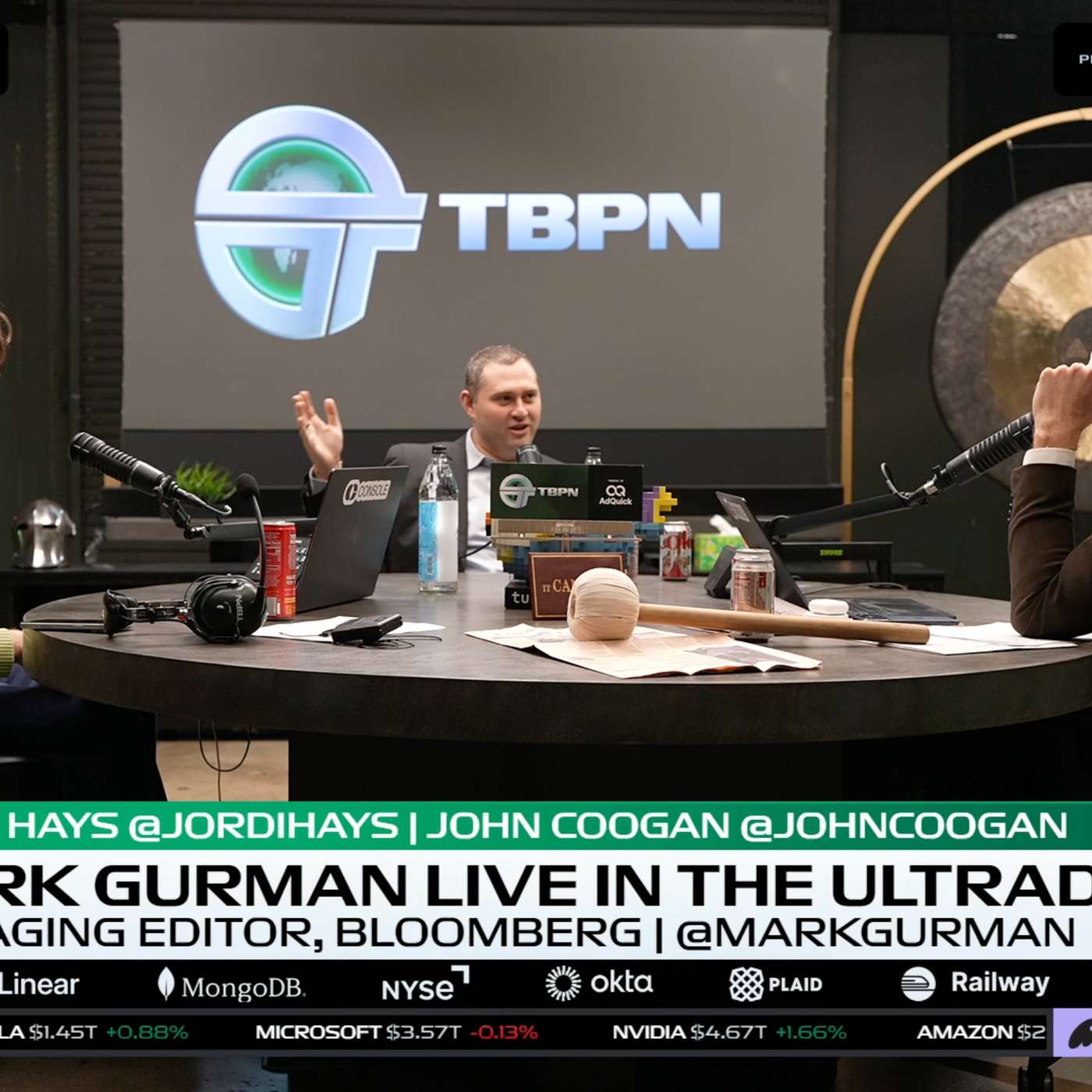
Contrary to the "invent it all" perception, an early iPhone engineer claims Apple's Google AI partnership is a strategy Steve Jobs would have endorsed. Jobs often integrated external technology (like touchscreens) rather than building from scratch. He would have seen foundation models as a commodity and focused Apple's efforts on the user-facing application layer.

The lawsuit is framed as more than a trade secret dispute. It is seen as an emotional and strategic retaliation by Apple, whose comfortable market position, supply chain power, and iPhone-centric paradigm have all been threatened by the AI era that OpenAI represents.
Apple's partnership with Google for Siri was less about Google's technological superiority and more a strategic move to avoid empowering OpenAI, which is increasingly becoming a direct competitor in consumer hardware like smart glasses and audio devices. Giving OpenAI access to Apple's ecosystem would train a future rival.