Get your free personalized podcast brief
We scan new podcasts and send you the top 5 insights daily.
The fear of AI-driven mass unemployment is misplaced because most white-collar jobs are already "fake"—not essential for survival. As automation handles existing tasks, our unquenchable desire to consume will lead us to invent entirely new jobs and services to fill our time, just as we always have.
![Jeremy Giffon - The Billion Dollar PDF - [Invest Like the Best, EP.481] thumbnail](https://megaphone.imgix.net/podcasts/639efb30-79ab-11f1-9457-e7c50e832f59/image/3fd42f5fd8ef85cc50b51718c44c4172.jpg?ixlib=rails-4.3.1&max-w=3000&max-h=3000&fit=crop&auto=format,compress)
Related Insights
Rather than destroying jobs, AI's productivity gains will lead to the creation of more abstract, seemingly "fake" roles. For example, individuals now earn a salary directly from platforms like X simply by posting AI-generated content, a trend that is expected to grow as the creator economy evolves.

Pessimism about AI-driven job losses overlooks historical precedent. The transition from an agricultural to an industrial economy caused massive job displacement but ultimately created far more new jobs. Similarly, AI will likely generate new, currently unimaginable roles and industries.

Fears of mass unemployment from AI overlook a key economic principle: human desire is not fixed. As technology makes existing goods and services cheaper, humans invent new things to want. The Industrial Revolution didn't end work; it just created new kinds of jobs to satisfy new desires.

Like the internet and mobile, AI will automate many jobs. However, this automation historically unlocks new types of work that don't exist yet. While there's short-term frictional pain, the long-term trend repeated over 200 years is job creation and increased prosperity.

Contrary to fears of mass unemployment, AI will create new industries and roles. While transitional unemployment will occur, the demand for more energy, AI-related regulation (e.g., government lawyers), and new leisure sectors will generate significant job growth, offsetting the displacement from automation.
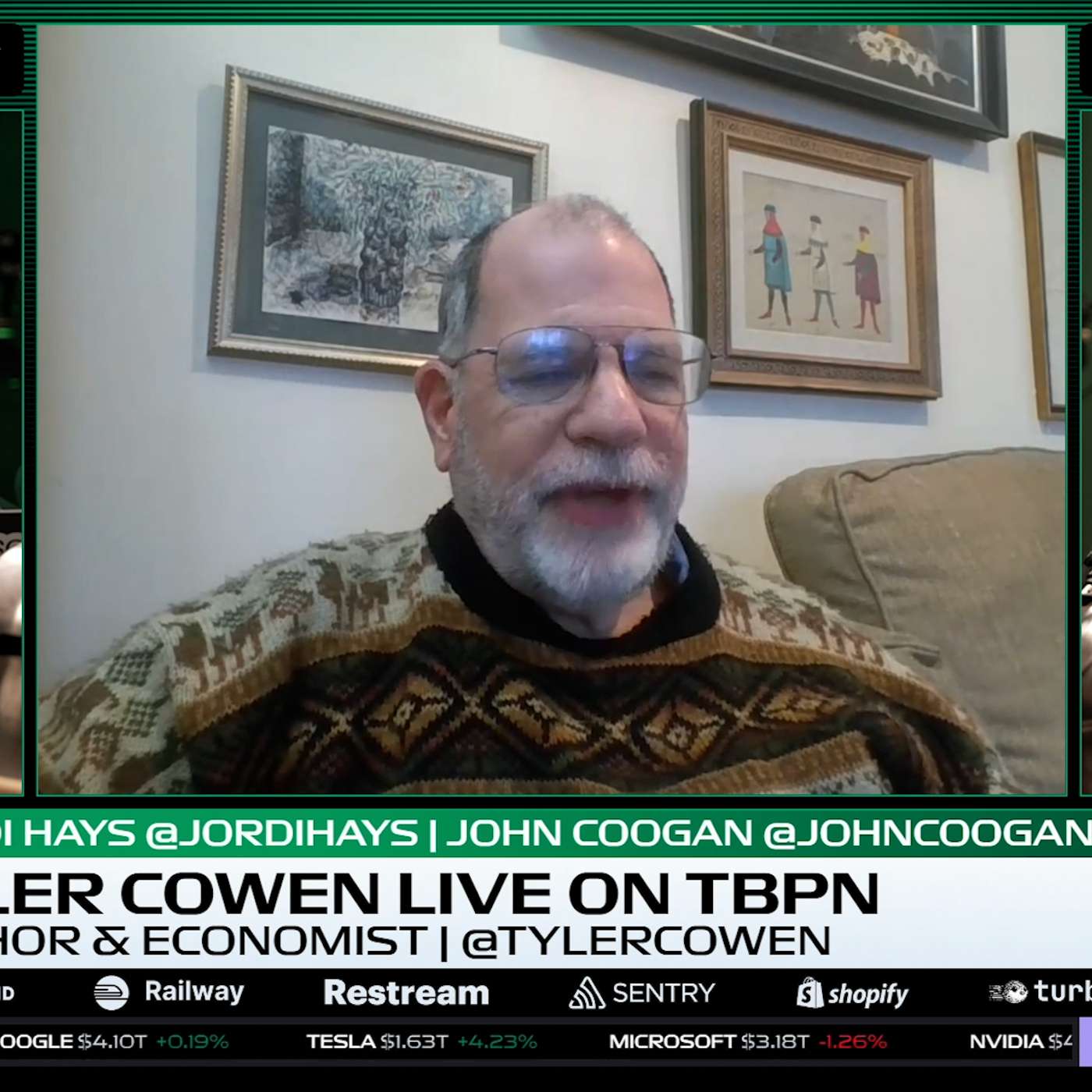
The fear that AI will replace all jobs ignores history. Technology has consistently eliminated drudgery (e.g., manual farming, factory work) while creating new, unpredictable industries that cater to newly created human wants. AI will accelerate this process, allowing people to focus on more creative and interpersonal pursuits.

Microsoft AI's CEO clarifies his prediction that AI will automate white-collar 'tasks'—like drafting emails or PowerPoints—rather than entire 'jobs'. This distinction, rooted in labor economics, suggests professionals will become more efficient and focus on higher-value creative and judgment work, not face immediate obsolescence.

Countering AI doomerism, Ben Horowitz argues that human desire is infinite. Once AI makes basic goods abundant, people will develop new 'needs'—from complex services to luxury experiences like chef-prepared meals—which will in turn generate entirely new industries and jobs unimaginable today.
The fear of AI-driven mass unemployment is a classic economic fallacy. Like past technologies, AI is a tool that raises the marginal productivity of individual workers. More productive workers don't work less; they take on more ambitious projects and create new kinds of jobs, increasing the overall demand for labor.
Contrary to the popular narrative, AI is not yet a primary driver of white-collar layoffs. Instead of eliminating roles, it's changing the nature of work within them. For example, analysts now spend time on different, higher-value activities rather than manual tasks, suggesting a shift in job content rather than a reduction in headcount.
