Get your free personalized podcast brief
We scan new podcasts and send you the top 5 insights daily.
The investigational drug ABN-401 shows a lower incidence of peripheral edema, a common side effect of MET inhibitors. Its higher specificity for MET, avoiding inhibition of the AXL kinase which is implicated in edema, demonstrates a path toward better-tolerated drugs through rational design.

Related Insights
Unlike existing drugs that act as "molecular glues" causing broad tissue toxicity, LifeMine's inhibitor uses a different mechanism. It prevents enzyme activation and has superior biodistribution, staying concentrated in the blood where it's needed, thus dramatically improving the safety profile.

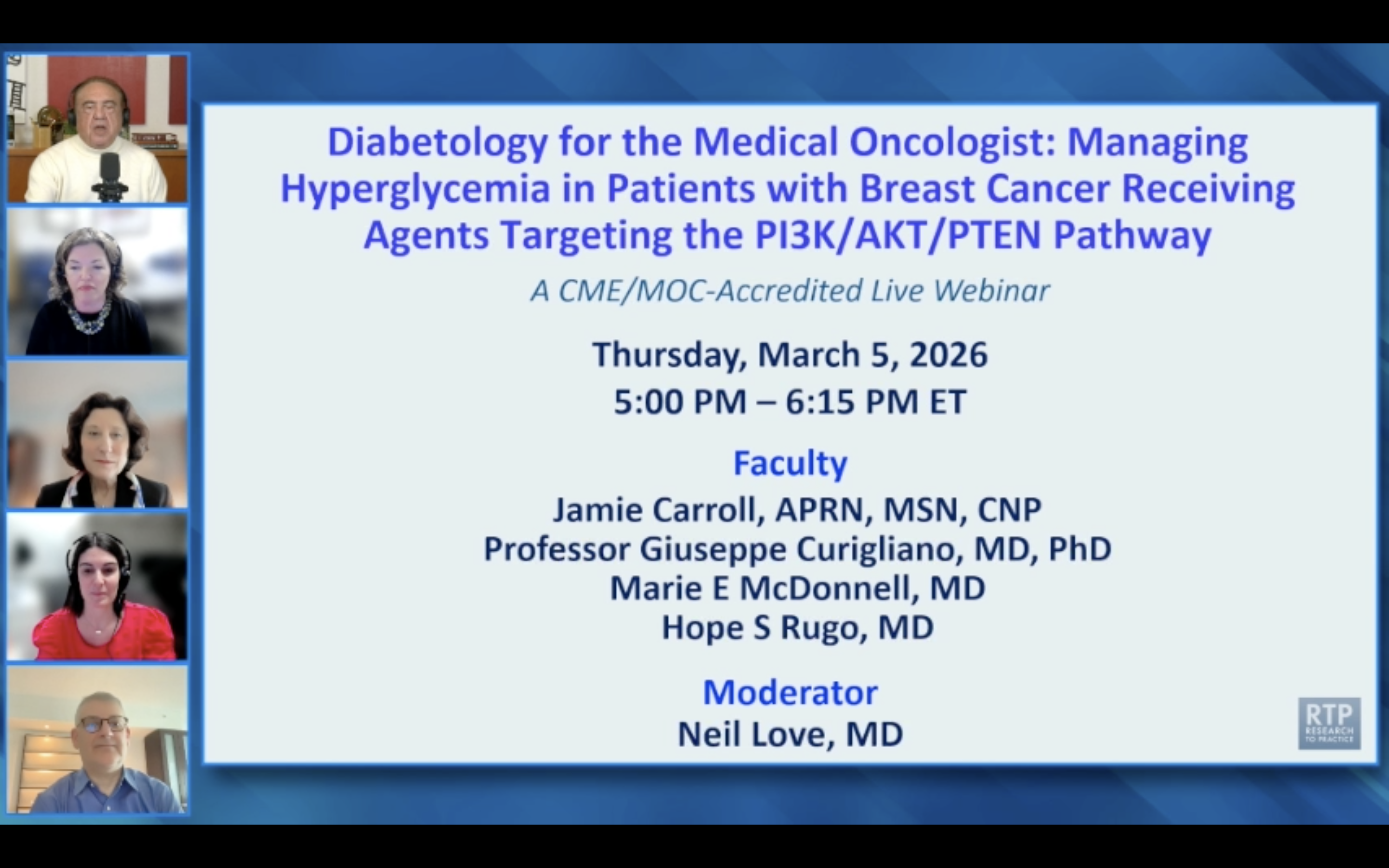
The next evolution in this drug class involves inhibitors that only target mutated PI3K. This specificity aims to avoid effects on wild-type PI3K, which is involved in insulin signaling. The goal is to dramatically reduce severe side effects like hyperglycemia, which could allow for higher, more effective drug doses.
Advances in drug design mean newer PI3K inhibitors are more targeted, resulting in significantly less off-target toxicity. For example, some investigational agents have a hyperglycemia risk under 15%, a substantial improvement over earlier drugs, making them easier to manage clinically.
Terns' CML drug is an allosteric inhibitor, targeting a different site on the target protein than older drugs. This mechanism provides greater selectivity, avoiding off-target effects like arterial blockages common with active-site inhibitors. This technical advantage creates a compelling safety and tolerability profile, a key differentiator in a market with established therapies.

Despite newer MET TKIs like capmatinib and tipotinib being available, the older drug crizotinib remains a valuable option for NSCLC patients with MET alterations. It is often better tolerated, making it a practical choice for patients who cannot handle the side effects of newer agents.
A new class of CDK4-only inhibitors is being developed not by adding a mechanism, but by subtracting one. The thesis is that the CDK6 inhibition in current blockbuster CDK4/6 drugs contributes more to toxicity (neutropenia) than efficacy. This targeted approach aims to create a superior drug with a better safety profile for combinations.

Recludix posits that for chronic diseases, inhibiting a protein's specific function is superior to complete degradation. Degrading a protein can disrupt its other essential roles (e.g., mitochondrial function), leading to unnecessary toxicity. Inhibition offers a more targeted, reversible approach with a potentially better long-term safety profile.

Beyond patient comfort, the drug's favorable safety profile—lacking common GI issues or lab abnormalities—is a strategic advantage. It reduces the need for frequent patient monitoring and doctor visits, easing the logistical burden on clinicians compared to other therapies and making it an "easier to use" option.
The new menin inhibitor, enzomenib, demonstrates potentially superior response rates (CR/CRH of 40-60%) compared to existing agents (~23%). Crucially, early data shows no QTc prolongation, a significant dose-limiting toxicity for current menin inhibitors, suggesting a major safety improvement for this drug class.

Unlike traditional therapies that continuously suppress signaling pathways and harm healthy cells, Immuneering's deep cyclic inhibition restores the normal, intermittent signaling rhythm. This provides healthy cells the signals they need to function, dramatically improving the drug's tolerability and patient quality of life.