Get your free personalized podcast brief
We scan new podcasts and send you the top 5 insights daily.
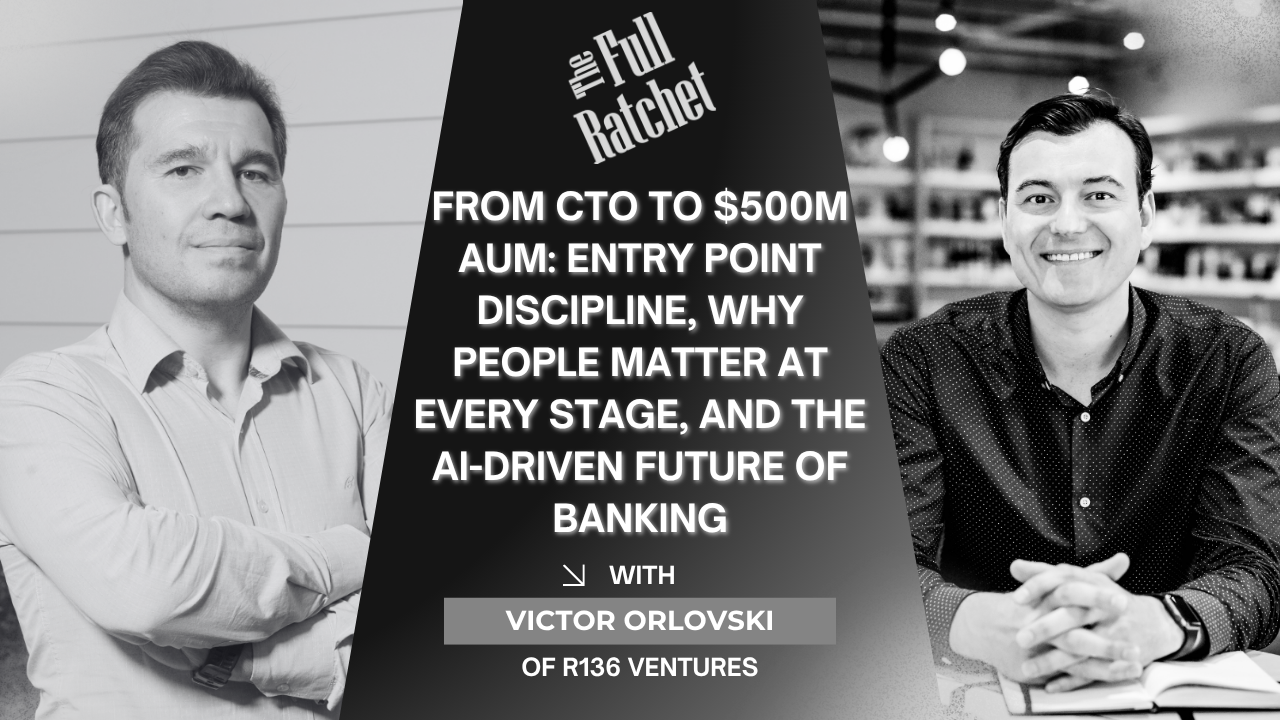
Investor Victor Orlovski gained conviction in eToro's CEO because his father had taken the first Israeli company public on Nasdaq. The CEO's stated ambition to repeat his family's legacy was a powerful, non-obvious indicator of the resilience and long-term vision required for an IPO.
Related Insights
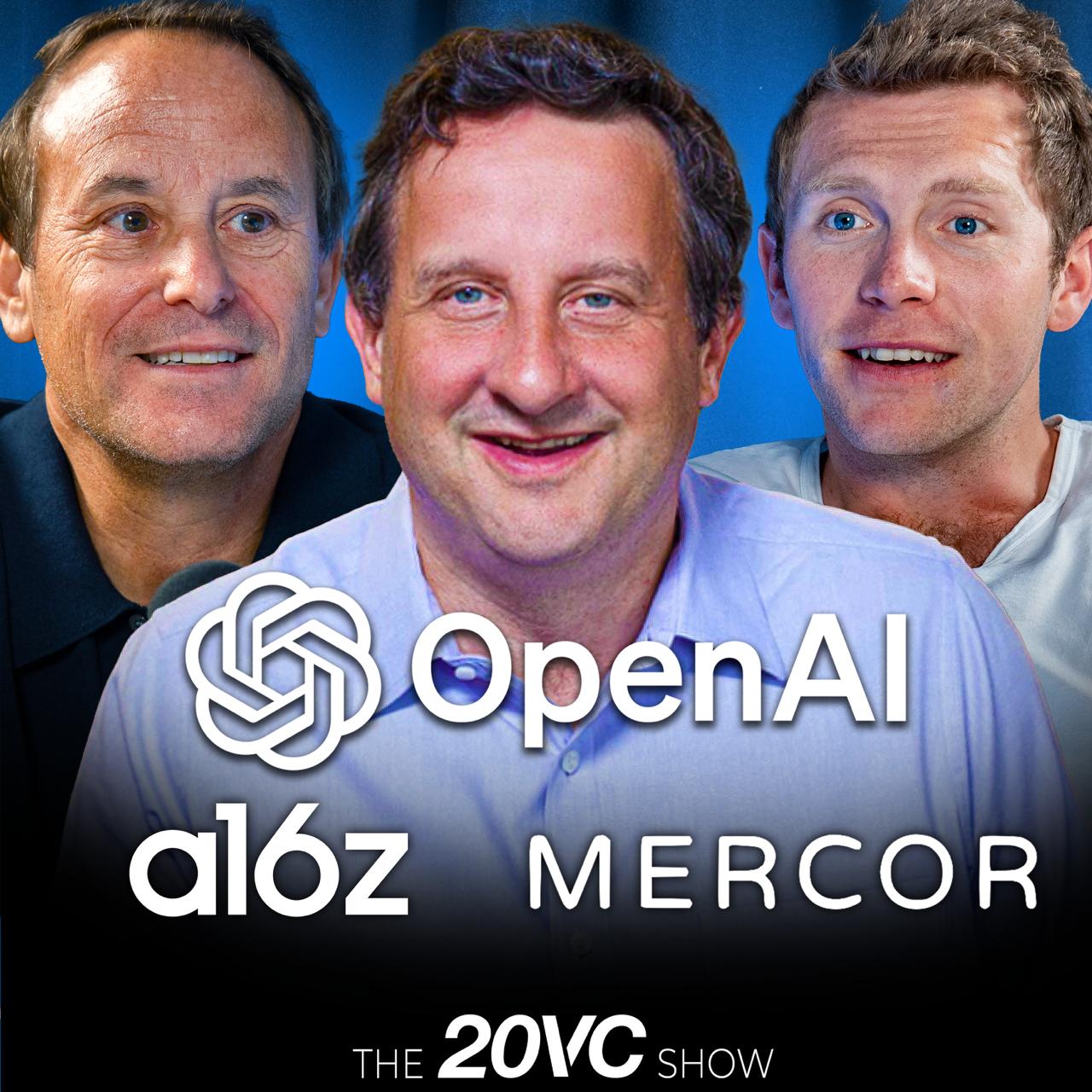
A16z's foundational belief is that founders, not hired "professional CEOs," should lead their companies long-term. The firm is structured as a network of specialists to provide founders with the knowledge and connections they lack, enabling them to grow into the CEO role and succeed.

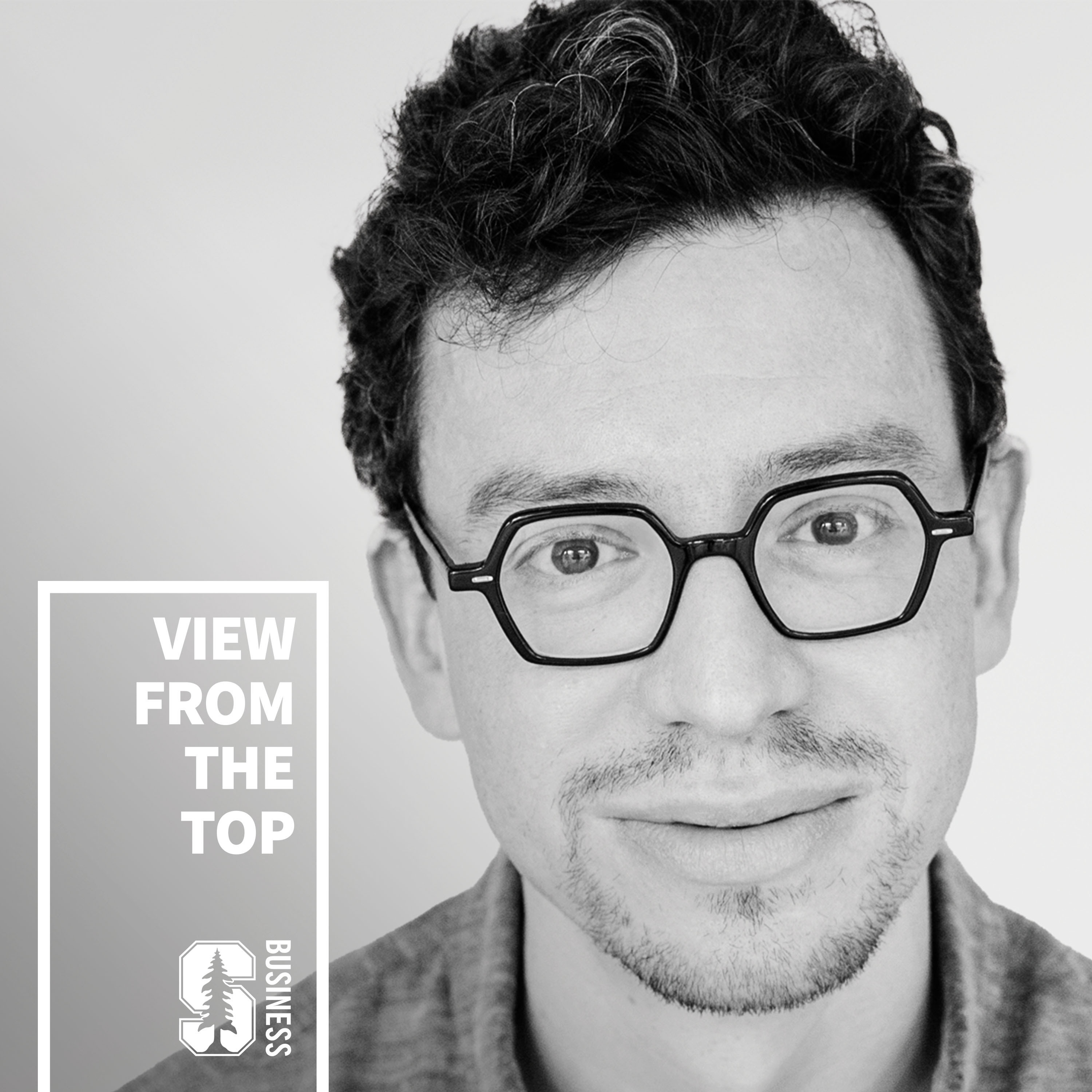
Duolingo's first investors admitted they didn't believe in the education market, which they considered a bad business. They invested solely because founder Luis von Ahn had a previous successful exit to Google, demonstrating that a founder's track record can be more persuasive to early VCs than the business idea itself.
Investor Mark Rampolla argues that a brand's potential is capped by its leader's personal development. His firm seeks self-aware founders committed to "inner work," believing this psychological resilience is a key predictor of building a billion-dollar company.

When a founder faces a major acquisition offer, the pivotal question isn't just about valuation, but temperament. A board member should ask, "Are you built to be a public company CEO?" The intense stress and public scrutiny aren't for everyone. Pushing a founder who isn't an "IPO guy" to reject an offer can be a disastrous long-term decision.
Experience taught Herb Wagner that great leaders consistently surprise on the upside. He now weights leadership quality far more heavily, assessing CEOs not by interviews or charisma, but by their verifiable track record and through trusted backchannel references who have worked with them directly.

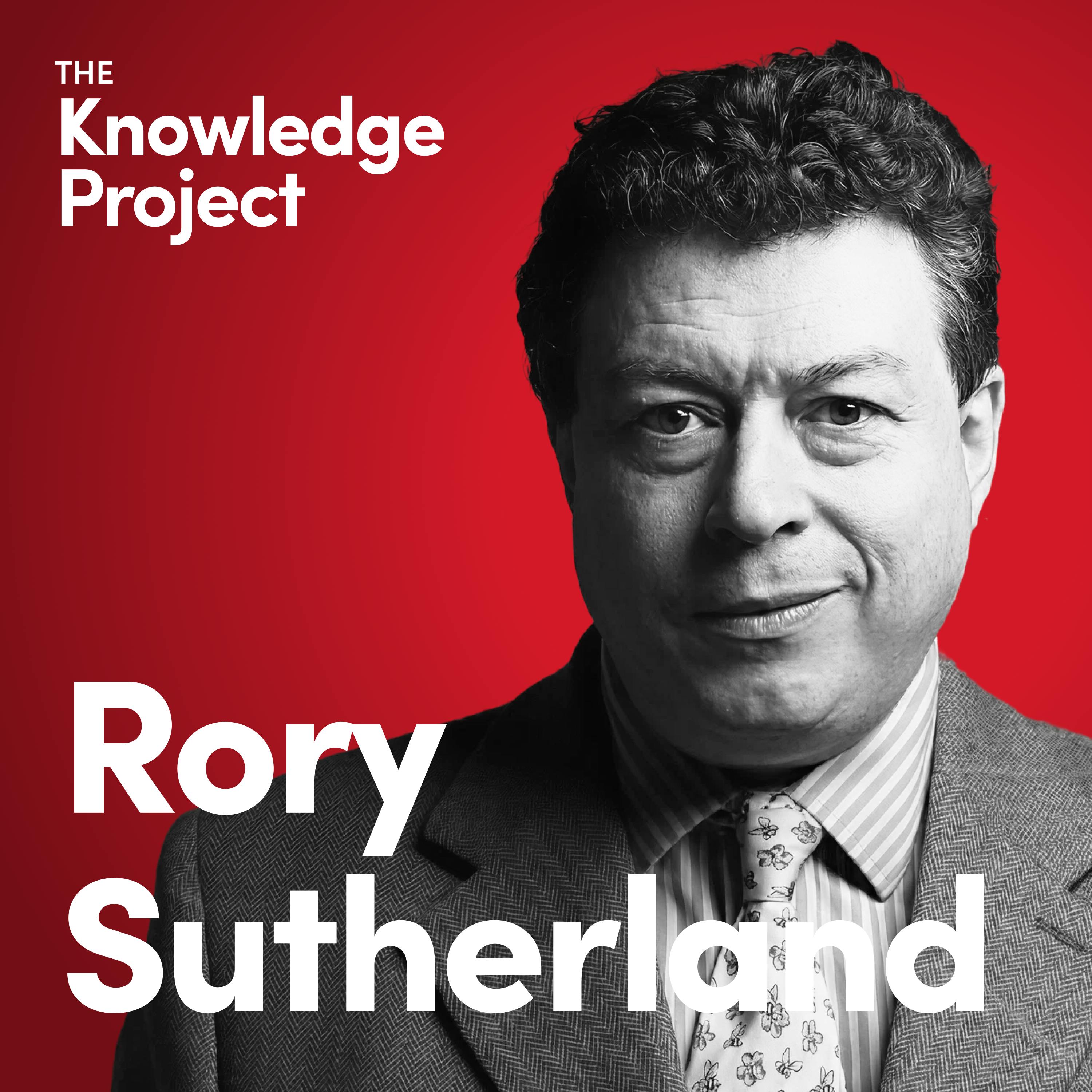
Public companies, beholden to quarterly earnings, often behave like "psychopaths," optimizing for short-term metrics at the expense of customer relationships. In contrast, founder-led or family-owned firms can invest in long-term customer value, leading to more sustainable success.
To identify non-consensus ideas, analyze the founder's motivation. A founder with a deep, personal reason for starting their company is more likely on a unique path. Conversely, founders who "whiteboarded" their way to an idea are often chasing mimetic, competitive trends.
Beyond financial incentives, personal ego and the desire to build an independent legacy can be powerful and valid motivators for spinning out to start a new venture firm, even when leaving a successful family operation.

In a fast-moving category like AI coding, platform features are fleeting. The more durable factor is the founding team's vision and ability to execute. Users should follow the founders of these companies, as choosing a tool is ultimately a long-term bet on a person's leadership and trajectory.

The most driven entrepreneurs are often fueled by foundational traumas. Understanding a founder's past struggles—losing family wealth or social slights—provides deep insight into their intensity, work ethic, and resilience. It's a powerful, empathetic tool for diligence beyond the balance sheet.
![Martín Escobari - Inside General Atlantic - [Invest Like the Best, EP.449] thumbnail](https://megaphone.imgix.net/podcasts/90e6e3e6-c984-11f0-ae5f-27bb851bdc56/image/608fac468f77cb3014e96336896d96de.jpg?ixlib=rails-4.3.1&max-w=3000&max-h=3000&fit=crop&auto=format,compress)