Get your free personalized podcast brief
We scan new podcasts and send you the top 5 insights daily.
Palo Alto Networks CEO Nikesh Arora joined without cybersecurity experience. He overcame 'imposter syndrome' by relying on the founder and head of product as technical advisors. His role was not to be the expert, but to handle strategy, prioritization, and ensure the right people were in the right jobs.

Related Insights
GoFundMe's CPTO, who excels at product, mitigates his technical gaps by hiring a very strong SVP of Engineering and a Chief AI Officer. This acknowledges that a single leader can't be an expert in both product and tech, making strategic hiring crucial to cover their weaknesses.

McLaren's CEO, Zak Brown, admits he doesn't understand the complex aerodynamics his engineers work on. Instead, he adds value by assessing their credibility—seeing if they deliver on promises, if their predictions are accurate, and if they backtrack under pressure.

Qualified's CMO, Mara Rivera, argues that a leader's success isn't about being an expert in everything. The key is to conquer imposter syndrome and build a team of A-players in domains like demand gen or ops, who can then teach and guide you.

When promoted to CEO internally, your advantage is institutional knowledge, but your disadvantage is a lack of external CEO experience. The key is to be egoless about this gap and proactively construct a leadership team and advisory network with the specific experience you lack.

A leader in a highly technical field doesn't need to be the deepest scientific expert. Venture capitalist Jeanne Cunicelli, who is not a scientist, succeeds by mastering the skill of deconstructing complex topics through persistent questioning and listening, enabling her to make sound judgments.

Contrary to standard practice, Palo Alto Networks' CEO Nikesh Arora has his teams report to the founders of companies he acquires. His rationale: the startup "kicked your ass" with fewer resources, proving their superior approach. This structure empowers the innovators and forces the acquirer to learn from them.

Successor CEOs cannot replicate the founder's all-encompassing "working memory" of the company and its products. Recognizing this is key. The role must shift from knowing everything to building a cohesive team and focusing on the few strategic decisions only the CEO can make.
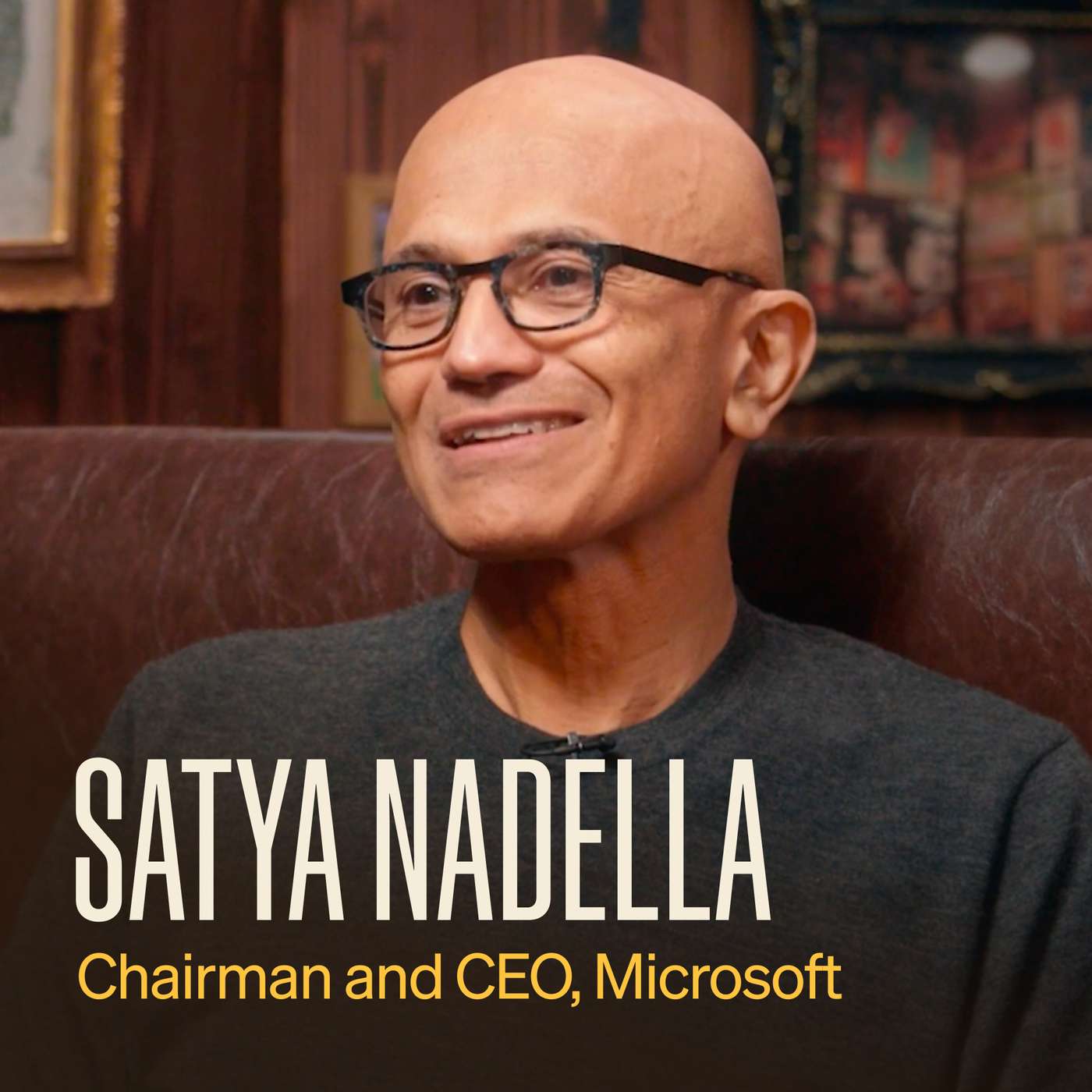
When Nikesh Arora became CEO of Palo Alto Networks without any cybersecurity knowledge, he managed his "imposter syndrome" strategically. He openly shared his learning process with a trusted few (the founder, CPO) while maintaining an aura of confidence and decisiveness with the broader company.

When Vivtex's scientific founder became CEO, his most critical move was hiring an experienced finance and operations leader. This structure allows the CEO to leverage deep technical insight for strategic partnerships, while delegating operational complexities they are less equipped to handle.

The most important job of a leader is team building. This means deliberately hiring functional experts who are better than the CEO in their specific fields. A company's success is a direct reflection of the team's collective talent, not the CEO's individual brilliance.
