Get your free personalized podcast brief
We scan new podcasts and send you the top 5 insights daily.
NVIDIA doesn't simply sell its scarce chips to the highest bidder. It strategically allocates them to cultivate a diverse ecosystem of cloud providers and customers. This prevents any single customer from becoming too powerful and ensures healthy competition among its buyers, which ultimately drives more demand for NVIDIA's hardware.
![Neil Movva - Making AI 10x Cheaper - [Invest Like the Best, EP.488] thumbnail](https://megaphone.imgix.net/podcasts/d56fad4c-876e-11f1-9151-5f1834daf707/image/de9954428adab72e672734106004bdcb.jpg?ixlib=rails-4.3.1&max-w=3000&max-h=3000&fit=crop&auto=format,compress)
Related Insights
NVIDIA's revenue-sharing deals, which financially backstop GPU purchases for young cloud providers, create a deep dependency. This fosters loyalty to NVIDIA's entire product stack without explicit exclusivity clauses, strengthening its market dominance and creating a powerful, subtle lock-in effect.

NVIDIA was a first-wave signatory of the open-model letter to prevent market consolidation. A future with only one or two dominant AI labs would create a customer monopsony, giving those labs immense pricing power over NVIDIA. A broader, more competitive AI ecosystem is in NVIDIA's best interest.

NVIDIA is strategically providing companies like Meta with preferential access to its GPUs. This is a deliberate move to foster a more competitive AI landscape and prevent a market duopoly by Anthropic and OpenAI, effectively using hardware allocation to shape the software market.
Despite intense shortages, Nvidia does not sell GPUs to the highest bidder, calling it a "bad business practice." They allocate based on a first-come, first-served PO queue, believing being a dependable, foundational partner is more valuable long-term than maximizing short-term revenue.

NVIDIA's new business model involves guaranteeing it will rent back unused GPU capacity from smaller cloud providers. This acts as anchor demand, enabling these 'NeoClouds' to secure financing for massive GPU purchases. It's a strategic move for NVIDIA to build and control its own demand ecosystem, ensuring its chips continue to sell.

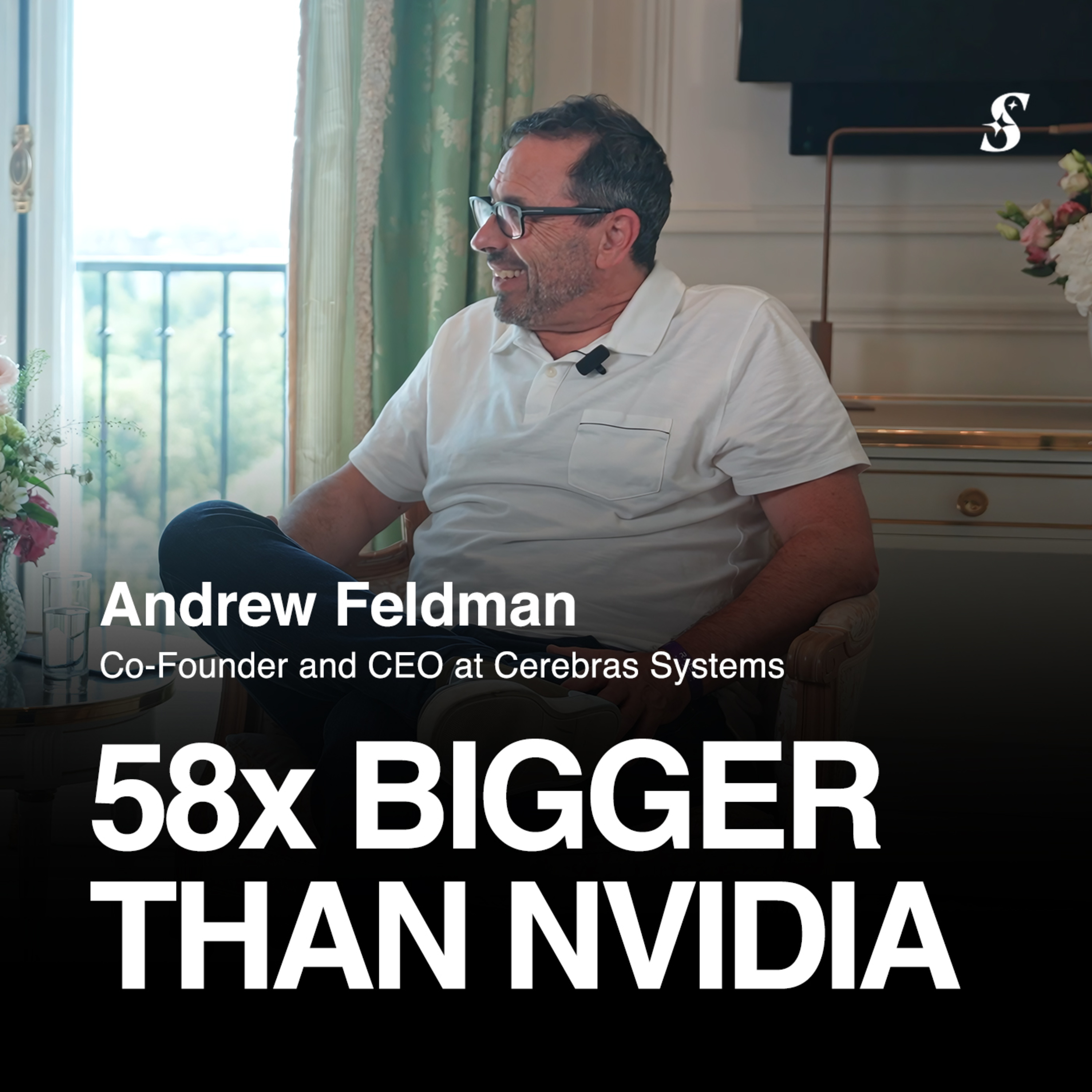
Andrew Feldman argues that NVIDIA's investment strategy is a key competitive tactic. By investing in cloud providers and model builders, they create strong incentives for those partners to remain within the NVIDIA ecosystem, making it difficult for competing chip manufacturers to gain a foothold.
Despite predictions of commoditization, the AI inference layer remains competitive. The market is supply-constrained, and GPU makers like NVIDIA intentionally avoid customer concentration with hyperscalers, creating space for specialized, innovative providers to thrive.

Jensen Huang strategically allocates GPUs to NeoClouds and new AI labs to prevent a world dominated by a few hyperscalers building their own custom chips (like TPUs). This ensures a diverse customer base and prevents NVIDIA's core products from being commoditized by a handful of powerful buyers.

NVIDIA's financing and demand guarantees for its chips are not just to spur sales, which are already high. The strategic goal is to reduce customer concentration by helping smaller players and startups build compute capacity, ensuring NVIDIA isn't solely reliant on a few hyperscalers for revenue.

NVIDIA investing in startups that then buy its chips isn't a sign of a bubble but a rational competitive strategy. With Google bundling its TPUs with labs like Anthropic, NVIDIA must fund its own customer ecosystem to prevent being locked out of key accounts.
