Get your free personalized podcast brief
We scan new podcasts and send you the top 5 insights daily.
Instead of centralizing in one hub, Design Anthology's team is geographically dispersed across Asia and Australia. This intentional strategy ensures authentic, on-the-ground storytelling and prevents the publication from having an outsider's perspective, which is crucial for its regional focus and credibility.

Related Insights
Haven Lifestyles produces 30 different magazines every six weeks by leveraging a team of designers based in the Philippines. This operational strategy allows for cost-effective scaling of creative production, a model applicable to many content or design-heavy businesses.

The production team for the SuperDataScience podcast is spread across continents, from Australia to the Americas. This global, remote-first structure highlights a modern approach to content creation, allowing access to a worldwide talent pool and reflecting the international nature of its subject matter.

Communications Day maintains a strict "wall" between editorial and sales by outsourcing all sponsorship sales to a person in a different city. This physical and organizational distance prevents commercial interests from influencing news coverage, a critical selling point for their high-priced subscription.
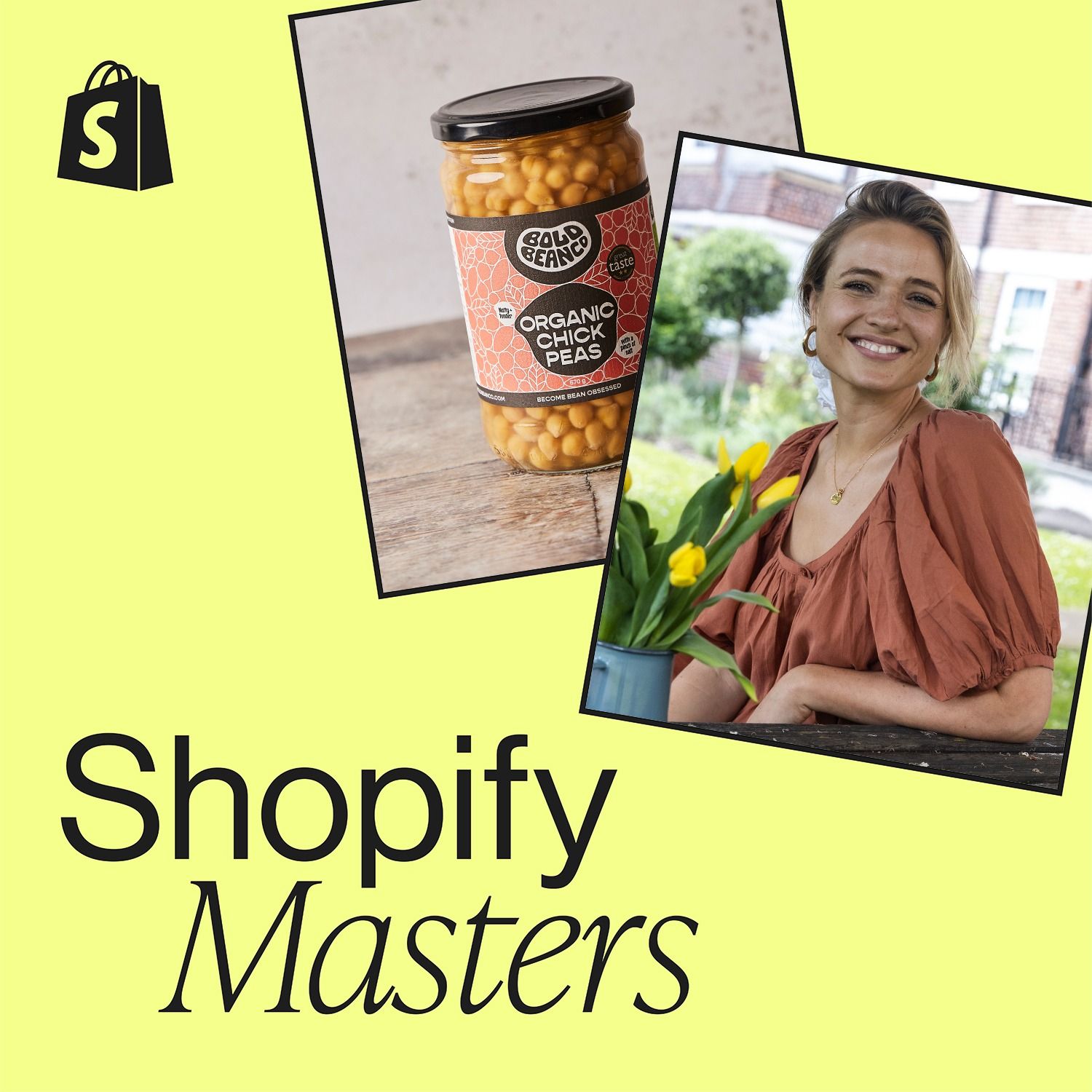
The company leverages its remote structure by hiring strategically. A Spanish team is located near suppliers for better sourcing and relationships, while a British team focuses on the consumer market. This intentional geographic distribution optimizes both supply chain and marketing efforts.
Instead of translating American content, Vice's successful global strategy involved building local editorial teams in each country. These teams applied the Vice ethos to stories and cultural moments relevant to their own audiences, creating authentic, locally-resonant publications.
A one-size-fits-all approach stifles innovation in global companies. To build trust and adapt effectively, leaders must empower local teams with decision-making authority. This respects crucial market-specific cultural nuances and consumer behaviors.

Initially, 6AM City hired two editors per market. Over time, they discovered a more efficient model: empowering a single, autonomous local editor and centralizing all other operations (marketing, sales support, design). This streamlined the process, reduced overhead, and allowed the local editor to focus purely on creating a high-quality, localized product.
Instead of isolated reporters, Axios groups cities like Denver, Boulder, and Colorado Springs under one regional editor. This model allows for resource sharing during breaking news, creates regional ad sales packages, and makes it feasible to staff smaller, adjacent markets with a single reporter.
BPEA succeeded in the fragmented Asian market not by being experts in every country, but by hiring deep local teams. These teams were then unified by a common, institutionalized culture and systematic investment processes, ensuring both local relevance and consistent quality control.

Instead of enforcing a monolithic global culture, establish a core set of values and leadership expectations (the "backbone"). Then, intentionally allow space for distinct subcultures to evolve within different functions and geographies, respecting local nuances and team dynamics.
