Get your free personalized podcast brief
We scan new podcasts and send you the top 5 insights daily.
Filmmakers can manipulate an audience's moral alignment by immersing them in the physical labor of a cover-up. Following the shower murder, Hitchcock documents Norman Bates exhaustively cleaning the bathroom and sinking Marion's car into a swamp. Because the audience invested emotional energy witnessing the painstaking effort, they find themselves instinctively rooting for the car to successfully sink.

Related Insights
Casting established stars who normally play specific archetypes allows a filmmaker to manipulate audience assumptions before subverting them. Hitchcock cast Anthony Perkins, known as a teen heartthrob, and Janet Leigh, a glamorous sex symbol, specifically to defy expectations about character morality and survival, blindsiding audiences when Leigh's central character is killed off relatively early in the film.
Guilt produces an escalating feedback loop of paranoia that actively alters behavior and attracts the very scrutiny one fears. When Marion flees with stolen cash in Psycho, her internal guilt leads her to project suspicion onto passing figures and a highway patrolman. This heightened paranoia causes awkward, suspicious demeanor, which subsequently prompts others to observe her with genuine concern and suspicion.
Moral transgressions are often facilitated by converging external pressures and subjective moral rationalizations rather than inherent villainy. In Psycho, Marion's theft of $40,000 is precipitated by desperate personal circumstances, an arrogant and sleazy client bragging about hiding undeclared cash, and her perception that the victim will barely miss the money, leading her into a temporary slide to crime.
Hitchcock reveals internal power dynamics, psychological tension, and shifting threats through framing and physical staging rather than expository dialogue. In Norman Bates's parlor scene, camera angles from above diminish Norman into a frail, childlike figure, while alternate framings position him beneath mounted, attacking birds of prey, subtly transforming him into an imposing predator without changing the scene's quiet conversation.
The shock of Marion Crane's death derives not merely from violence, but from the sudden, permanent termination of her narrative trajectory. The hosts point out that death in Psycho illustrates the cold indignity of mortality: all complex personal dilemmas, relationships, anxieties, and stolen money instantly cease to matter the moment a character's life ends mid-arc.
Working under strict financial and technical boundaries often enhances artistic ingenuity rather than hindering it. In discussing Hitchcock's Psycho, the hosts highlight how shooting with an $800,000 budget, using a television crew, filming in black-and-white, and limiting Bernard Herrmann's musical score to string instruments pushed Hitchcock to craft innovative, iconic cinematic solutions that defined modern filmmaking.
Conventional investigators often misinterpret pathological crimes because they filter human behavior exclusively through rational economic incentives. In Psycho, Arbogast and Loomis interpret Marion's disappearance and Norman's nervous conduct around the stolen $40,000, assuming someone embezzled or bargained for the cash. Their fixation on conventional financial gain leaves them completely blind to the underlying psychological psychosis driving the actual horror.
The film originally opened with Alejandro torturing someone, but this was cut to start with Kate's raid. This choice forces the audience to share her confusion and disorientation, making her the viewer's surrogate and heightening the tension.
Contrary to stereotypes that horror fans are depraved, research indicates they often possess higher-than-average cognitive empathy. To experience fear while watching a scary movie, a viewer must be able to adopt the perspective of the protagonist. The fear is generated not by the monster itself, but by empathizing with someone like us who is in danger.
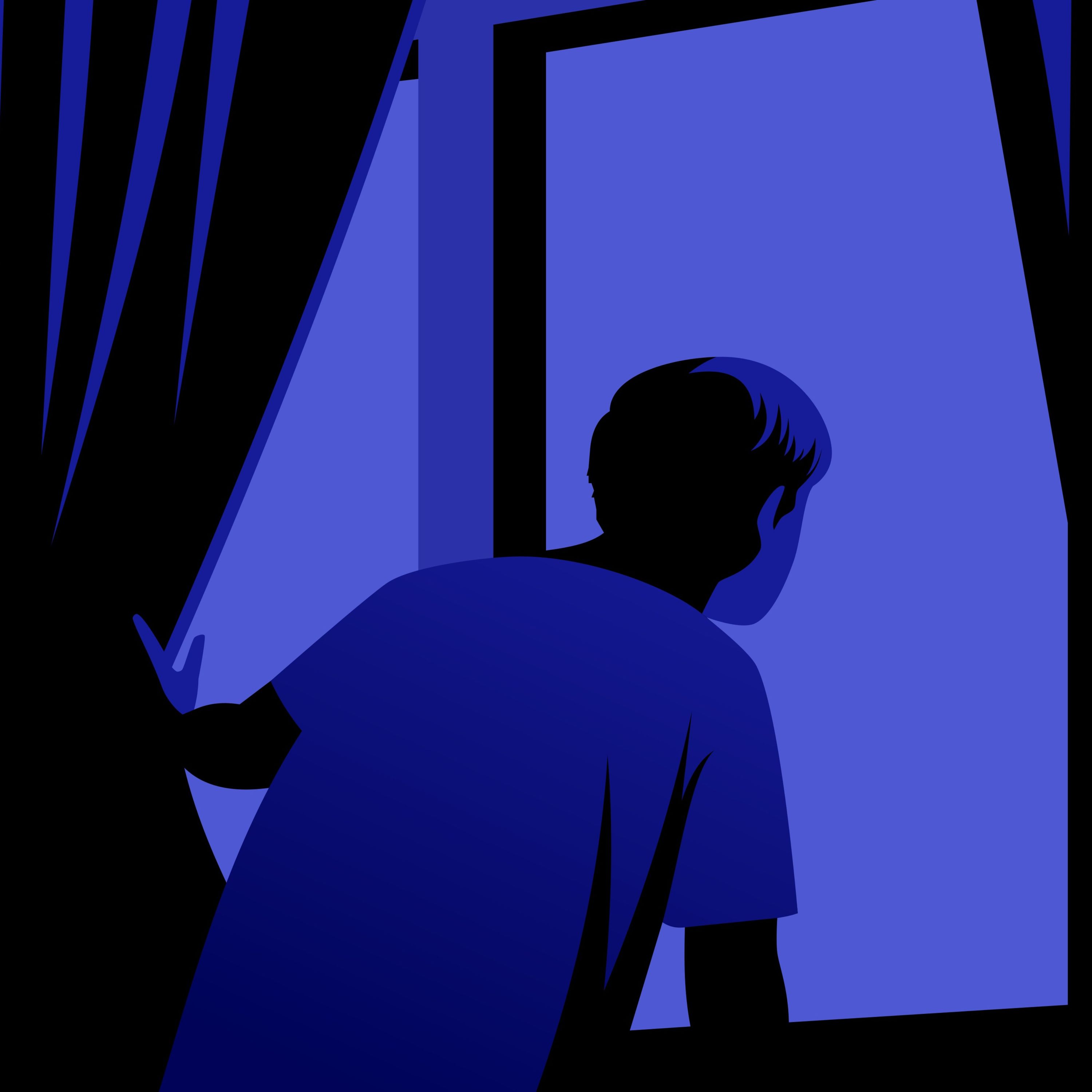
Psycho structurally mirrors Freudian psychoanalytic concepts by contrasting neurosis with psychosis across its two halves. In the first half, Marion Crane embodies neurosis through conscious guilt, wrestling with moral norms and authority over stolen money. In the second half, Norman Bates embodies severe psychosis, demonstrating psychological splitting, internal maternal voices, and total dissociation from reality.