Get your free personalized podcast brief
We scan new podcasts and send you the top 5 insights daily.
By focusing exclusively on "dangerous stranger abductions," the milk carton campaign reinforced a powerful myth. This misdirected public fear towards a statistically rare phenomenon, obscuring the far more common reality that children are most often abducted by parents or acquaintances.
Related Insights
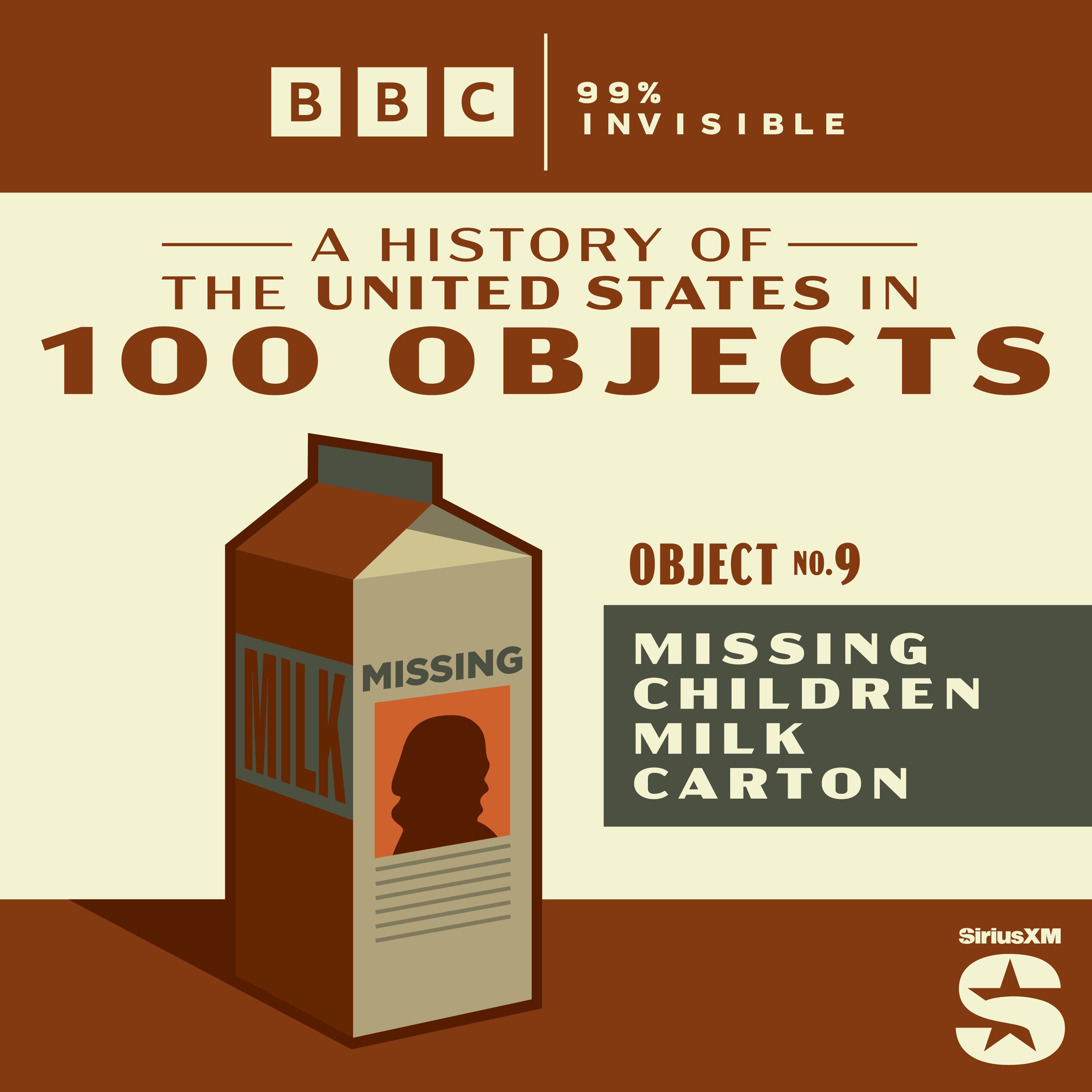
The campaign’s cultural impact wasn't just the message, but the medium. Placing a missing child's face on a milk carton—an item central to the family breakfast table and symbolic of maternal nurturing—made the threat feel immediate and personal in a way other media, like utility bills, could not replicate.
Despite its iconic status, the national campaign was largely unsuccessful at its stated goal, with only two of 200 featured children found (one by coincidence). Its real, lasting legacy was cultural: it created a mythology around child safety and instilled a pervasive national fear of abduction.
The national milk carton campaign was sparked by two white paperboys. In contrast, the concurrent disappearance and murder of 29 Black children in Atlanta received minimal national media attention and no similar public safety initiative, highlighting racial bias in public empathy and who is deemed an 'innocent' victim.
Our cognitive wiring prefers making harmless errors (false positives, e.g., seeing a predator that isn't there) over fatal ones (false negatives). This "better safe than sorry" principle, as described by Michael Shermer, underlies our susceptibility to misinformation and snap judgments.
The fear of powerful, shadowy figures abducting children, popularized by the milk carton campaign, has a direct lineage to modern conspiracies like Pizzagate. These new narratives replace the generic "stranger" with political elites but rely on the same deeply ingrained, fantastical fears about child safety.
Societal fears, or "moral panics," are cyclical. While the targets change (from witchcraft to 5G wireless), the underlying tactics of exploiting fears around child safety and innocence remain consistent throughout history, repeating the same patterns.

There's a stark paradox between the public's perception of safety and reality. While social media and news cycles create a sense of ever-present danger, US homicide rates are falling to their lowest levels since 1900. This highlights how curated feeds can distort our understanding of societal trends.

Our primal fear responses can lead to well-intentioned but counterproductive actions. For instance, fearing germs leads to over-cleanliness that may increase allergies, and fearing for bee populations leads people to build backyard hives that harm vulnerable native bee species.

The milk carton campaign was discontinued partly due to public backlash. Pediatricians like Dr. Benjamin Spock argued it was traumatizing children at breakfast, showing that a message's constant, negative emotional toll can override its perceived social good and lead to its rejection.
Modern advertising weaponizes fear to generate sales. By creating or amplifying insecurities about health, social status, or safety, companies manufacture a problem that their product can conveniently solve, contributing to a baseline level of societal anxiety for commercial gain.