Get your free personalized podcast brief
We scan new podcasts and send you the top 5 insights daily.
François Henriot arrived at the Tuileries Palace with 3,000 armed men and 30 cannons aimed directly at an undefended National Convention. Rather than capitalizing on this decisive advantage to arrest the deputies, he hesitated, became confused, and ordered his forces to retreat to City Hall to regroup. This single delay surrendered the initiative, allowing the opposition to mobilize loyal forces and capture the Commune virtually unopposed.

Related Insights
In a disastrous strategic move, the moderate Girondin faction used a new law to indict their radical enemy, Jean-Paul Marat. The plan failed spectacularly when Marat was acquitted by a sympathetic court and carried back to the convention as a hero, cementing his power and fatally weakening his accusers.
Maximilien Robespierre's fatal miscalculation before the National Convention was threatening an unstated list of corrupt deputies without naming them. Rather than cowing his targets into submission, this ambiguity forced every deputy who had taken bribes or overstepped during the Terror to assume they were on his hit list. Driven by fear of execution, disparate rivals united to pre-emptively shout him down and demand his arrest.
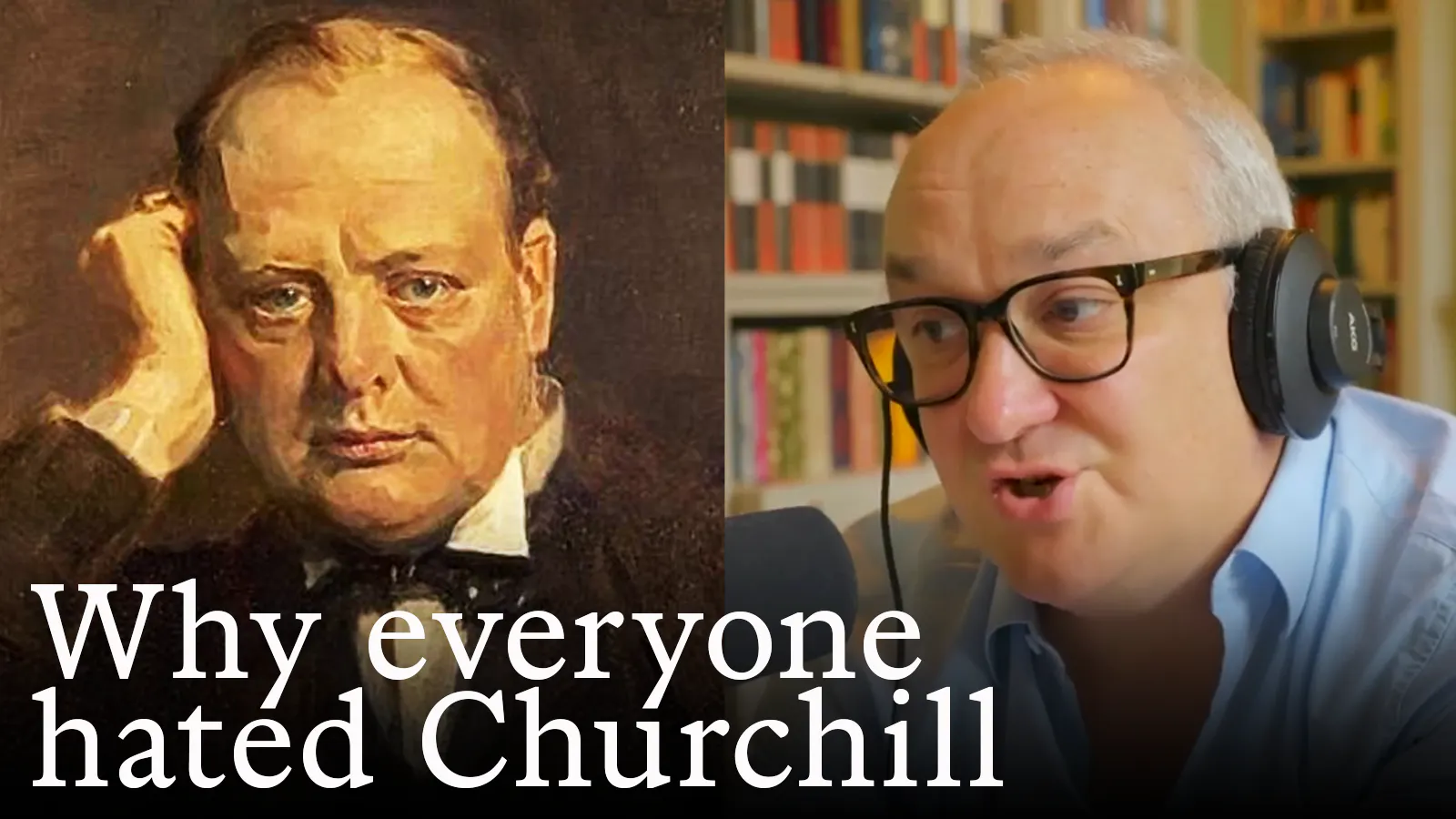
Leaders like Churchill clung to outdated strategies emphasizing speed and surprise. This Napoleonic mindset consistently failed against the realities of modern defensive technology like machine guns and barbed wire, as seen in the futile attacks at Gallipoli.
Victory hinged on opportunism, not just courage. Athenian general Miltiades attacked only after intelligence confirmed the Persian cavalry—their deadliest asset—was being re-embarked on ships for a pincer movement. This fleeting window of vulnerability, created by enemy logistics, was the key to success.
Radicals like Collot d'Herbois and Billaud-Varenne overthrew Robespierre expecting to control the Committee of Public Safety and maintain the Terror without him. However, eliminating Robespierre dismantled the fear holding the Convention captive. Moderate deputies quickly abolished emergency measures, stripped the committees of their powers, closed the Jacobin Club, and ultimately arrested the very conspirators who initiated the coup, illustrating how removing a figurehead can trigger uncontrollable systemic collapse.
When Joseph Fouché was summoned to Paris under grave suspicion for horrific atrocities in Lyon, he did not wait passively for an interrogation. Instead, he boldly went straight to the National Convention floor to justify his record on revolutionary terms, confronted Robespierre directly, and successfully ran for president of the Jacobin Club. By taking immediate initiative and maneuvering in the open, Fouché disrupted Robespierre's plans and secured political leverage.
After his decisive victory at Cannae, Hannibal expected Rome to negotiate terms, as was the norm in ancient warfare. He fatally underestimated their unique, implacable resolve to never capitulate, causing him to miss his window of opportunity to march on the city and enforce a peace.

In a high-stakes situation like a military ambush, the most dangerous response is paralysis. Staying still allows the enemy to gain an advantage. It is better to make a move—even a potentially wrong one—to create momentum and disrupt the situation than to be frozen by indecision.

While technocrats on the Committee of Public Safety drafted hundreds of decrees on three hours of sleep, Robespierre retreated home for six weeks, periodically reappearing only to lecture colleagues on morality. As historian R.R. Palmer noted, isolating oneself virtuously while leaving the grinding operational burden to others fatally undermines a leader's authority. His colleagues came to see his moralizing as self-indulgence rather than leadership.
Throughout the revolution, radical factions consistently pushed the agenda further left. Hébert's attempted insurrection in March 1794 was the first to fail, signaling that the revolutionary energy of the Paris streets had been exhausted and tamed by the centralized power of the governing committees.