Get your free personalized podcast brief
We scan new podcasts and send you the top 5 insights daily.
An AI feature like a chatbot requires turn-based user interaction. In contrast, a true AI agent is defined by its autonomy. It integrates with business systems (e.g., email, databases) to independently execute tasks and achieve a specified outcome without constant human input.
Related Insights
Shift your mindset from using AI as a tool for a specific function (e.g., a scheduler) to creating an AI agent as an employee who owns an entire outcome (e.g., 'run my marketing'). This changes the interaction from using software to delegating goals to an autonomous agent.

Unlike simple prompts that yield a single output, AI agents are systems that can execute a series of actions autonomously. They can develop a plan, use tools like the internet, and perform multiple steps to complete a complex task like running a marketing campaign.

Unlike tools like Zapier where users manually construct logic, advanced AI agent platforms allow users to simply state their goal in natural language. The agent then autonomously determines the steps, writes necessary code, and executes the task, abstracting away the workflow.
While conversational AI was an initial breakthrough, the more profound user experience shift comes from AI agents that can act autonomously. The ability for an AI to read files, run commands, and manage tasks in the background without constant input marks the transition from a passive tool to a proactive partner.
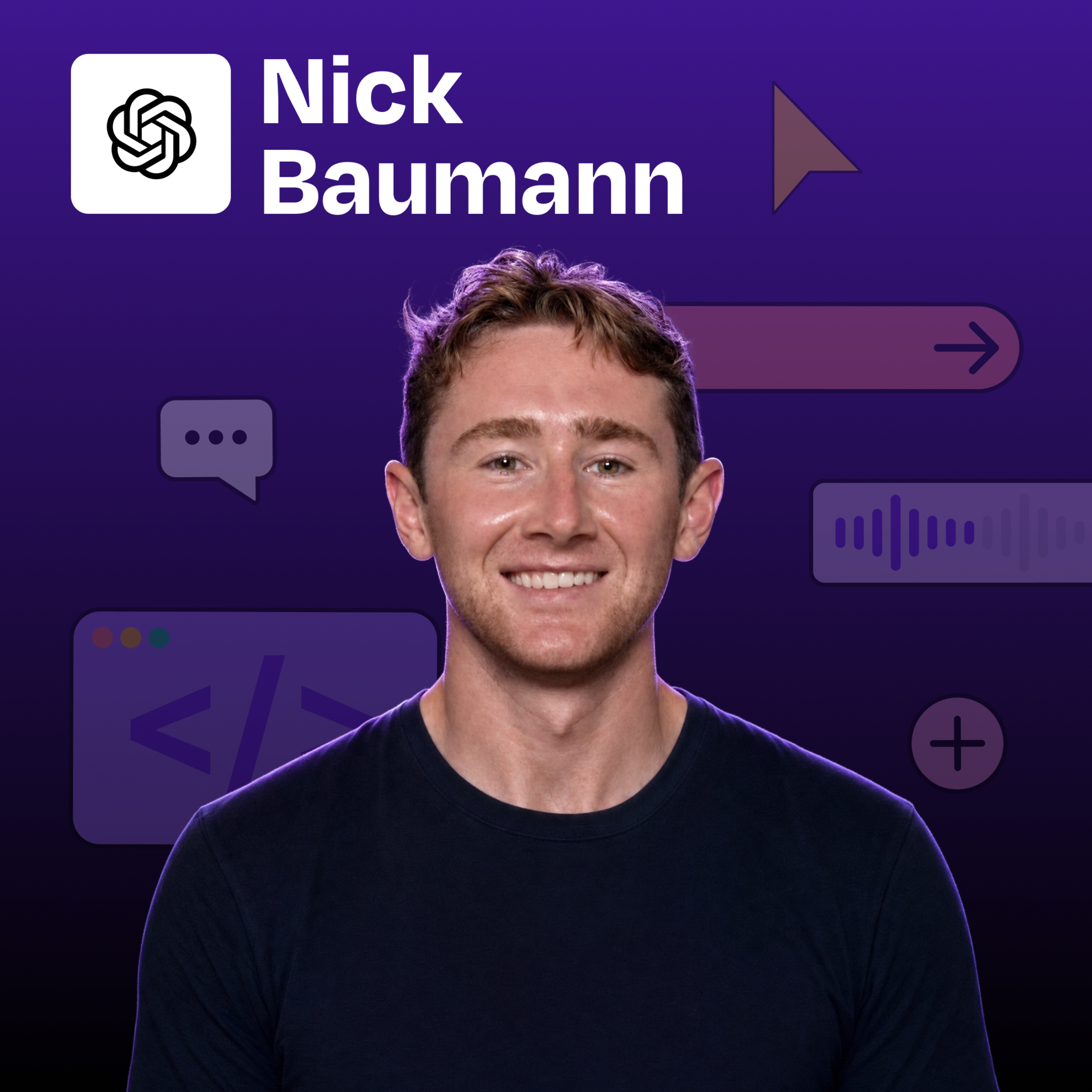
Tools like ChatGPT are AI models you converse with, requiring constant input for each step. Autonomous agents like OpenClaw represent a fundamental shift where users delegate outcomes, not just tasks. The AI works autonomously to manage calendars, send emails, or check-in for flights without step-by-step human guidance.

Unlike simple chat models that provide answers to questions, AI agents are designed to autonomously achieve a goal. They operate in a continuous 'observe, think, act' loop to plan and execute tasks until a result is delivered, moving beyond the back-and-forth nature of chat.
Unlike generative AI (like ChatGPT) which only provides text output, agentic AI can perform actions on your behalf. It can log into accounts, click buttons, and complete multi-step tasks, shifting AI from a smart consultant to an autonomous digital assistant.

A chatbot is a passive tool requiring your input for an answer (pull). An agent is an active, autonomous system that runs full workflows and presents completed work (push). This mental model reframes AI from a one-off task completer to a delegate for entire areas of responsibility.

The 'call and response' nature of large language models (LLMs) is not truly revolutionary for workflows. The significant shift comes from agentic AI, which can connect to various systems and execute multi-step tasks. This moves AI from a content generator to a powerful workflow automation tool.

The next evolution of enterprise AI isn't conversational chatbots but "agentic" systems that act as augmented digital labor. These agents perform complex, multi-step tasks from natural language commands, such as creating a training quiz from a 700-page technical document.
