Get your free personalized podcast brief
We scan new podcasts and send you the top 5 insights daily.
When tech companies impose their own ethical frameworks and refuse to sell lawful technology to the US government, they are exercising "tyranny by tech bro." A small, unelected group of technologists constrains the policy choices of a democratically elected government without any public accountability.

Related Insights
While the public focuses on AI's potential, a small group of tech leaders is using the current unregulated environment to amass unprecedented power and wealth. The federal government is even blocking state-level regulations, ensuring these few individuals gain extraordinary control.

Elon Musk's ability to influence the war in Ukraine via Starlink highlights a frightening new reality. A single, unelected individual can alter the course of global conflicts based on personal whim. This power, accountable to no one, poses a significant threat to democratic governance and international stability.
Similar to the financial sector, tech companies are increasingly pressured to act as a de facto arm of the government, particularly on issues like censorship. This has led to a power struggle, with some tech leaders now publicly pre-committing to resist future government requests.
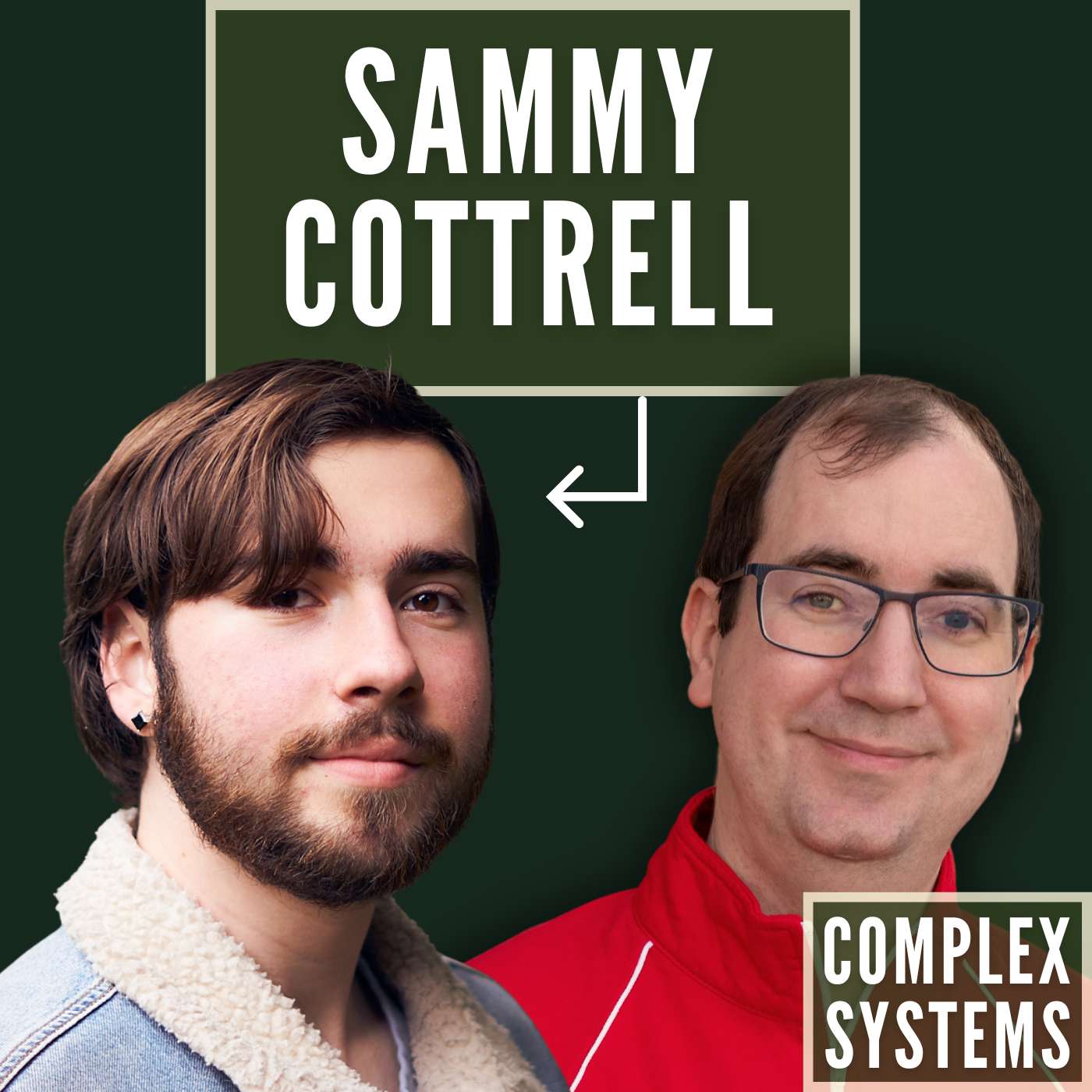
Tech leaders, while extraordinary technologists and entrepreneurs, are not relationship experts, philosophers, or ethicists. Society shouldn't expect them to arrive at the correct ethical judgments on complex issues, highlighting the need for democratic, regulatory input.

Trump's planned tech council, featuring names like Zuckerberg and Ellison, is designed without any dissenting voices. This structure ensures policy recommendations will focus on deregulation and government contracts, rather than on addressing potential harms or conflicts of interest associated with AI and big tech.
When direct censorship is unconstitutional, governments pressure intermediaries like tech companies, banks, or funded NGOs to suppress speech. These risk-averse middlemen comply to stay in the government's good graces, effectively doing the state's dirty work.
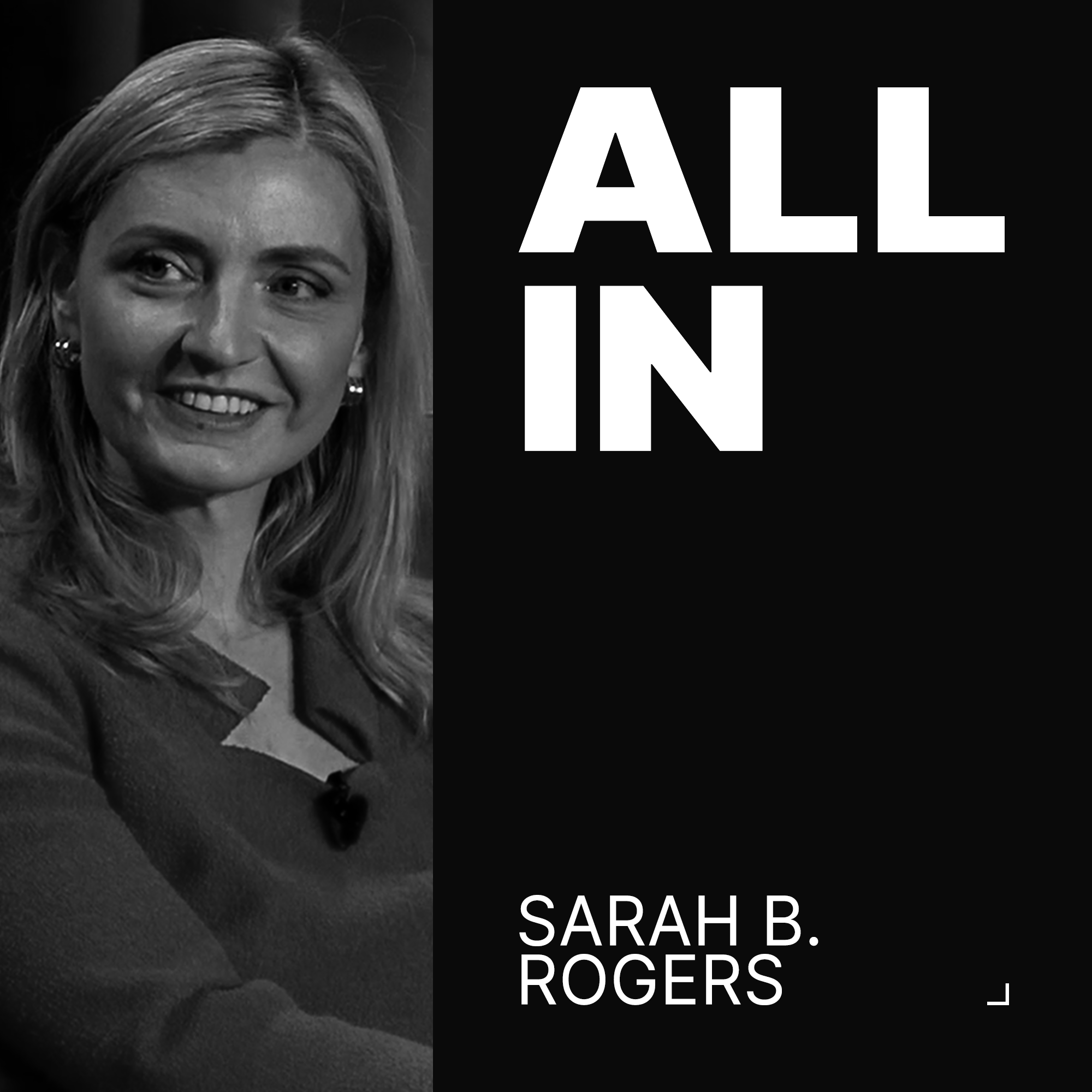
The core conflict is not a simple contract dispute, but a fundamental question of governance. Should unelected tech executives set moral boundaries on military technology, or should democratically elected leaders have full control over its lawful use? This highlights the challenge of integrating powerful, privately-developed AI into state functions.

When AI leaders unilaterally refuse to sell to the military on moral grounds, they are implicitly stating their judgment is superior to that of elected officials. This isn't just a business decision; it's a move toward a system where unelected, unaccountable executives make decisions with national security implications, challenging the democratic process itself.

With limited legislative or judicial oversight, private tech companies are becoming a de facto defense for civil liberties. By refusing contracts and setting ethical red lines, firms like Anthropic and Apple create procedural hurdles to government power that otherwise wouldn't exist.

The intense state interest in regulating tech like crypto and AI is a response to the tech sector's rise to a power level that challenges the state. The public narrative is safety, but the underlying motivation is maintaining control over money, speech, and ultimately, the population.