Get your free personalized podcast brief
We scan new podcasts and send you the top 5 insights daily.
AAVantgarde's foundational science originated from the Italian charity Teleton. This provided decades of grant-funded research and de-risked technology, showcasing a powerful, non-traditional model for biotech incubation outside of typical VC or academic spin-out routes, culminating in Teleton achieving the first-ever BLA approval for a charity.

Related Insights
Despite an existing academic natural history study (Procstar) for Stargardt disease, AAVantgarde invested in running its own. This gave them a more rigorous and consistent dataset, collected with modern instruments over a shorter period, highlighting the strategic value of controlling baseline data for future pivotal trials.
An investment from the nonprofit Beyond Celiac provides more than capital; it offers powerful third-party validation for a novel therapeutic target. For investors and potential pharma partners, this endorsement from a patient organization helps de-risk a new technology and demonstrates a clear patient need and interest.

First Ascent reversed the typical startup model by using $15M in non-dilutive grants to validate its platform and publish data *before* seeking venture capital. This approach builds immense credibility and de-risks the company for later, dilutive investment.
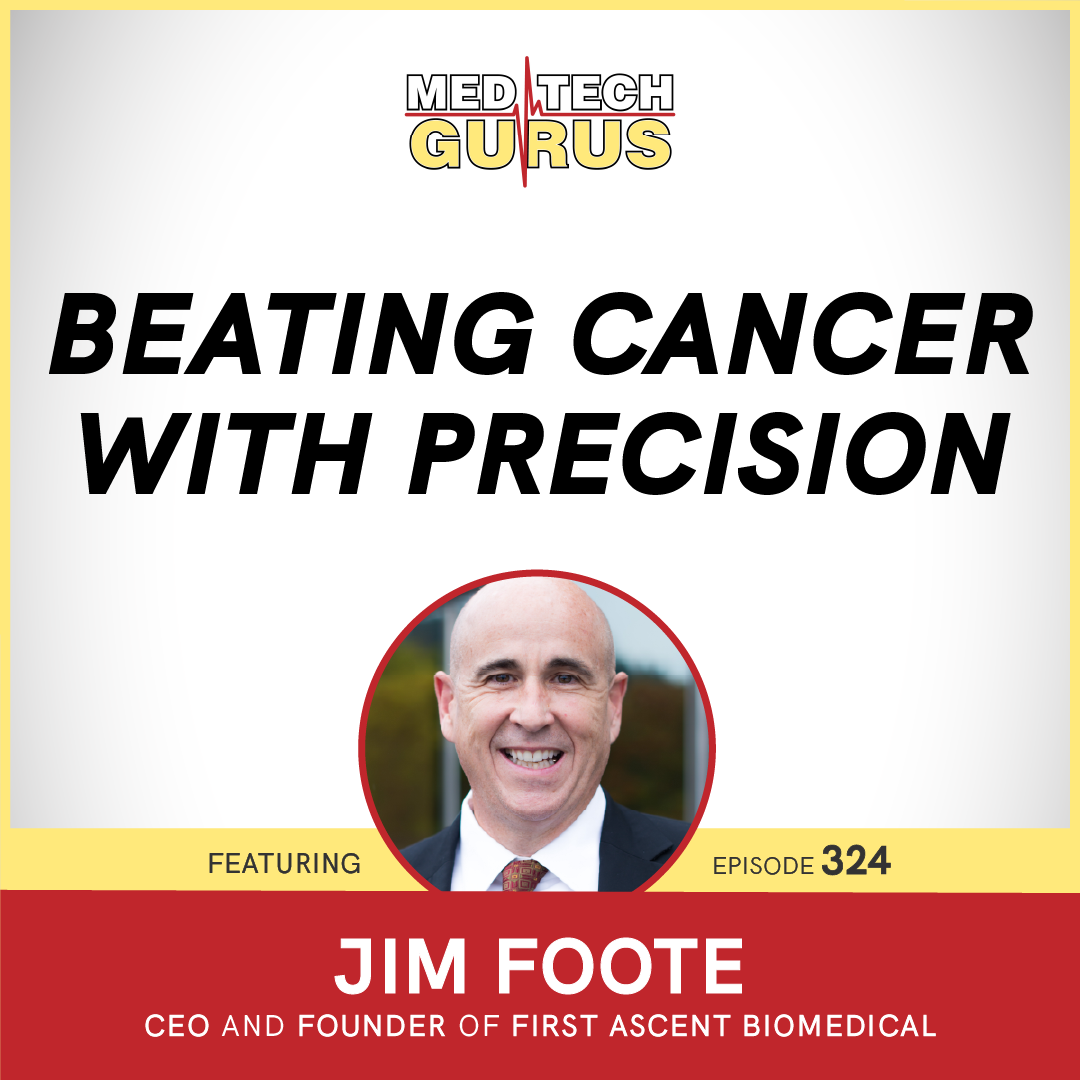
Advised by Dr. Bob Langer, Vivtex's founders understood that academic tech often fails due to insufficient validation. The spin-out was triggered not by initial exciting results, but after years of rigorous validation proving the platform's commercial application in large animal models, a crucial de-risking step.

Yosemite provides unrestricted grants to academic scientists, de-risking novel research and building relationships. This early support creates a unique deal flow engine, leading to investment opportunities in companies that later spin out from this foundational work.
Founder Sean Ainsworth intentionally started his pioneering AAV gene therapy in an ocular setting before any Western approvals existed. Because an intravitreal injection uses a very small vector amount, it provided a significant safety advantage and a manageable way to prove the technology before attempting systemic delivery.
Airway Therapeutics defied convention by raising nearly $100 million from family offices and high-net-worth individuals, not traditional VCs. This strategy funded the company through a pivotal Phase 2B/3 trial, proving that alternative capital sources can successfully fuel late-stage biotech development before institutional rounds.
Apogee built its strategy around known biological mechanisms, focusing innovation solely on antibody engineering. This allowed them to de-risk assets early and efficiently (e.g., proving half-life in healthy volunteers). This clear, stepwise reduction of risk proved highly attractive to capital markets, enabling them to raise significant funds for late-stage development.
Government funders like the NIH are inherently risk-averse. The ideal model is for philanthropists to provide initial capital for high-risk, transformative studies. Once a concept is proven and "de-risked," government bodies can then fund the larger-scale, long-term research.

AAVantgarde's focus on the eye provides a significant manufacturing (CMC) advantage. The small quantities needed for ocular delivery reduce the pressures of scale-up, a common failure point for systemic gene therapies. This allows the team to focus on quality over quantity, contributing to a perfect manufacturing record of zero failed batches.