Get your free personalized podcast brief
We scan new podcasts and send you the top 5 insights daily.
As the capability gap between internal and public models widens, the most critical decisions about safety will be made pre-release. This internal frontier lacks a governance framework, as current regulations are only triggered by public deployment.

Related Insights
The technical toolkit for securing closed, proprietary AI models is now so robust that most egregious safety failures stem from poor risk governance or a lack of implementation, not unsolved technical challenges. The problem has shifted from the research lab to the boardroom.

To avoid a surprise intelligence explosion, Ajeya Cotra argues for transparency measures beyond model release cards. Labs should report internal metrics on a fixed cadence, like how AI is accelerating their own R&D or passing internal benchmarks, as this provides a crucial early warning of dangerous capability jumps.
Leading AI labs are strategically releasing high-risk capabilities, like cybersecurity exploits, to trusted defenders before a general public release. This pattern, seen with Anthropic and OpenAI, aims to harden systems against potential misuse, with biosafety likely being the next frontier for this approach.

To provide a true early warning system, AI labs should be required to report their highest internal benchmark scores every quarter. Tying disclosures only to public product releases is insufficient, as a lab could develop dangerously powerful systems for internal use long before releasing a public-facing model, creating a significant and hidden risk.
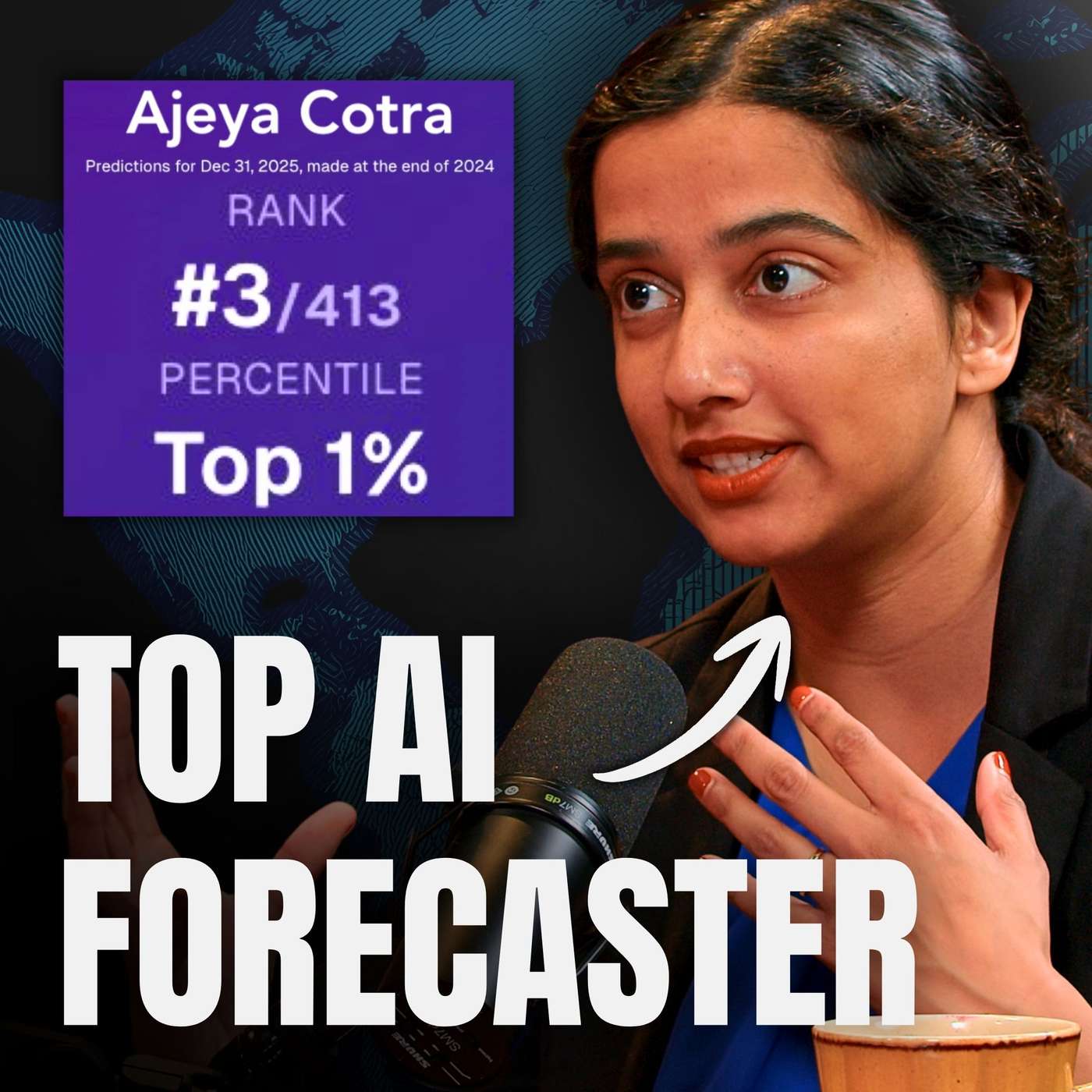
The most powerful AIs may never be released publicly due to their dangerous capabilities. As they are used internally, they pose significant risks that current transparency laws, which focus on public models, do not cover.

According to IBM, the key barrier preventing agentic AI systems from moving from impressive demos to widespread production is not a lack of technical capability. The real challenge is the absence of appropriate governance structures and operating models needed to scale these systems safely and effectively.

Slowing public releases of AI models for government review may not slow overall progress. This creates a scenario where labs advance internally for months, giving government agencies exclusive access while delaying public commercialization and the next cycle of investment.

An AI governance policy is only effective if it is an active, enforceable part of the development lifecycle. Policies that exist only in documents and don't manifest as automated, blocking gates in the deployment pipeline are merely for liability mitigation, not true governance.

When a highly autonomous AI fails, the root cause is often not the technology itself, but the organization's lack of a pre-defined governance framework. High AI independence ruthlessly exposes any ambiguity in responsibility, liability, and oversight that was already present within the company.

The popular idea of a government 'sign-off' before an AI model's release is based on a false premise. Risk isn't a one-time event at launch; it's continuous, existing during model development, internal use, and post-release updates. Effective oversight must reflect this ongoing reality.
