Get your free personalized podcast brief
We scan new podcasts and send you the top 5 insights daily.
The idea for Build-A-Bear originated from a frustrating shopping trip for Beanie Babies. Witnessing a child's disappointment over a sold-out toy and hearing her say "we could make these" sparked the concept of a store where creation, not just collection, was the main experience.

Related Insights
Rather than relying solely on venture capital, Build-A-Bear financed its rapid expansion by convincing mall landlords to provide "tenant allowances." The malls paid for store construction because Build-A-Bear was a destination that drove valuable family foot traffic.
Frustrated by boring preschool games, Elon Lee and his four-year-old daughter designed their own using craft supplies. This collaborative process led to 12 prototypes, four of which became successful retail products. It highlights the power of co-creating directly with the target audience, even young children, to build something they'll love.
The company didn't invent a new technology for its core in-store experience. Instead, it bought a standard upholstery stuffing machine and simply put a whimsical cover on it, demonstrating how to create a magical customer experience through creative, low-cost means.
Michael Dubin didn't conduct market research; he found his business opportunity in his personal annoyance with the high cost and inconvenient process of buying razors from a locked case. This shows that powerful business ideas often hide in plain sight as everyday frustrations.
After years in a corporate environment defined by "you can't," Maxine Clark intentionally immersed herself with her friends' children. This helped her reclaim a "yes you can" attitude, which was essential for imagining and launching her innovative retail concept.
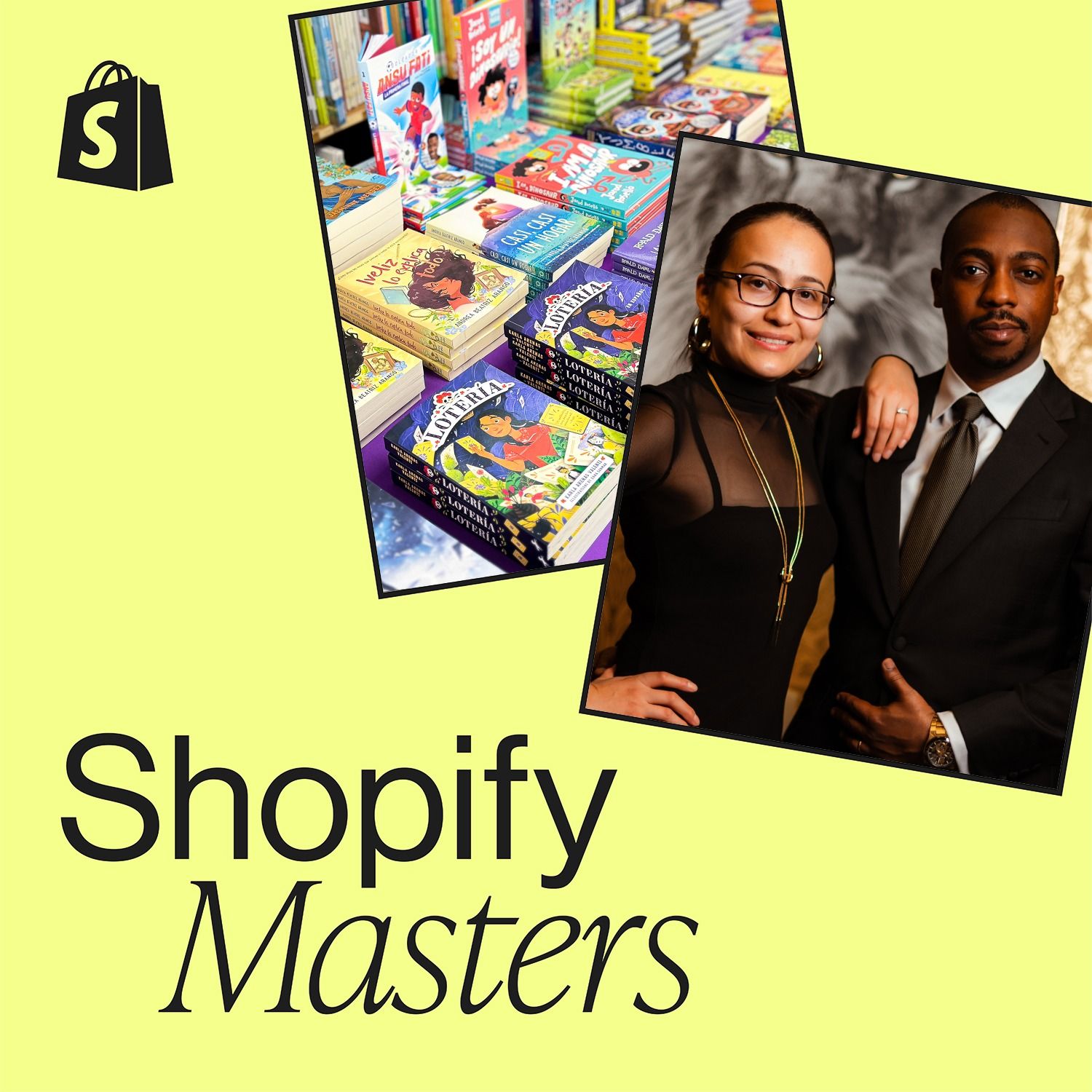
Miha Books' pivot to highly profitable school book fairs wasn't a strategic plan. It originated from a single PTA parent's suggestion while visiting their struggling brick-and-mortar store. This highlights how listening to customers can reveal a business's most lucrative opportunities.
Pleasant Rowland, founder of American Girl, advised Maxine Clark that boys wouldn't be interested in making stuffed animals. Clark trusted her own instincts, and as a result, boys eventually constituted at least 40% of Build-A-Bear's customer base.
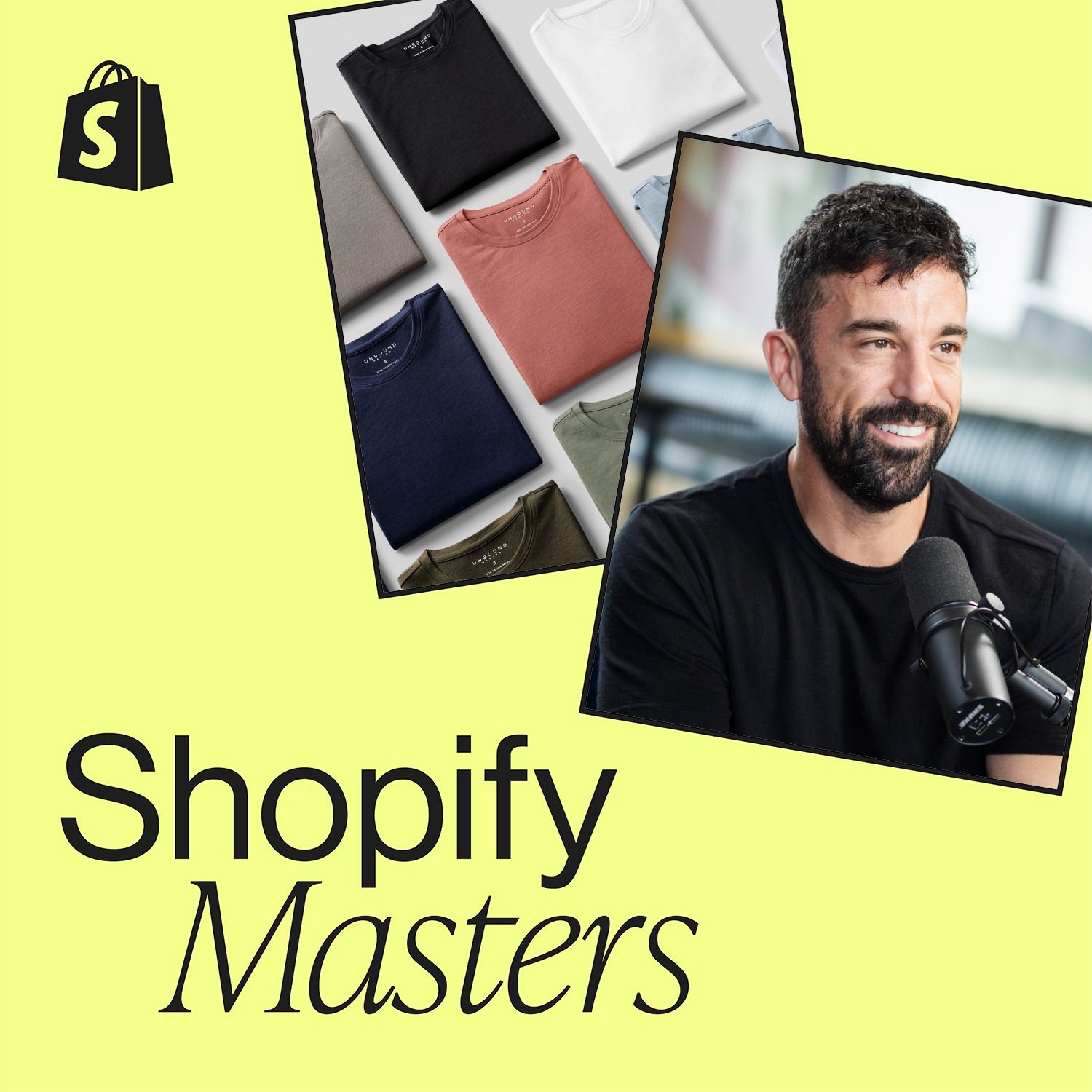
The idea for Unbound Merino came from the founder's own frustrating search for stylish, high-performance travel clothing. When he couldn't find what he wanted, he created it, correctly betting that many others shared his specific problem.
Maxine Clark utilized her extensive network from her previous role as President of Payless Shoes to quickly establish a supply chain. Her former shoe vendors were tapped to create miniature shoes and other apparel for the bears, dramatically accelerating product development.
A brand with a customizable product, like design-your-own flip-flops, should focus on creating in-person experiences rather than just e-commerce. Activations at hotels, markets, and vacation spots turn the purchase into a memorable activity and souvenir.