Get your free personalized podcast brief
We scan new podcasts and send you the top 5 insights daily.
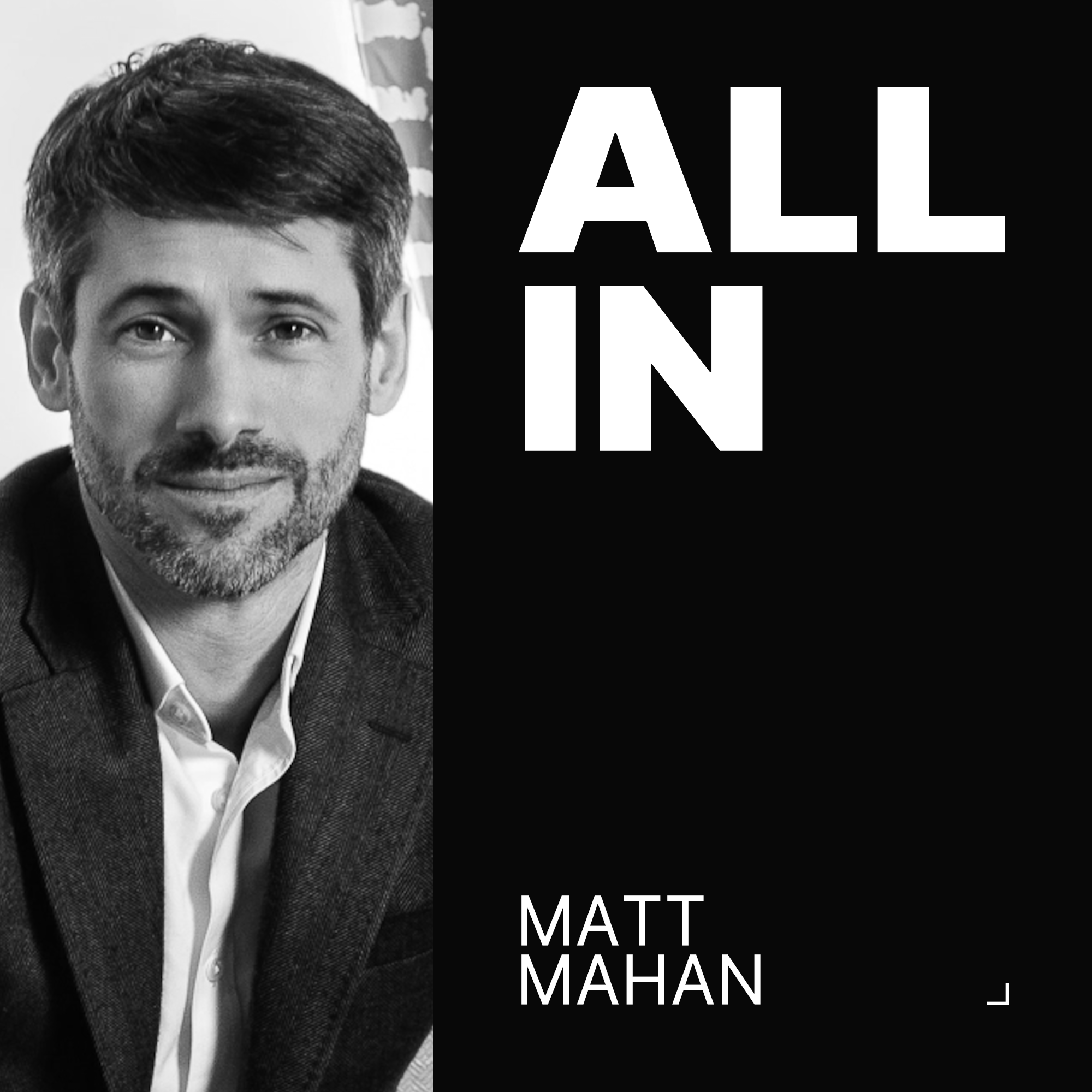
Gubernatorial candidate Matt Mahan argues that the core issue in Sacramento isn't powerful lobbies like public sector unions, but politicians who lack the will to push back for the public good. The system rewards catering to organized interests over delivering results for constituents.
Related Insights
Politicians are incentivized to pass more bills to show they are "doing something." However, this constant addition of regulation and process often makes issues like housing and education more expensive and complex, demonstrating a paradox where less government intervention could yield better results.
The core structural threat to political incumbents is now from primary challengers, not the general election. This forces candidates to appeal to their party's most extreme base rather than the median voter, creating a system that structurally rewards polarization and discourages broad-based governance.

Governor Tim Walz argues the Democratic Party is a 'prisoner to norms,' relying on 'strongly worded letters' while voters crave tangible results. To re-energize its base, the party must be willing to break conventions to deliver significant, life-improving policies like universal healthcare, connecting votes directly to positive outcomes.

Success in Sacramento is often measured by legislative activity—the number of bills passed—rather than tangible outcomes for citizens. This "performative politics" creates a system that generates a lot of activity but lacks a feedback loop for real-world impact and accountability.
A pragmatic view of politicians is to see them as rational actors pursuing their own self-interest. They will advocate for their constituents only when it aligns with their goals, such as getting re-elected. When that alignment ends, so does their support.

California's proposed wealth tax faces opposition from the state's political machine not on principle, but because one union (SEIU-UHW) sponsored it alone without sharing the proceeds with other powerful unions. This infighting provides a temporary reprieve, but a future multi-union-backed bill is likely.
Yang argues the most impactful political action is not holding office but reforming the system itself. He advocates for structural changes like nonpartisan primaries, believing that fixing the underlying incentives is the highest-leverage way to produce better outcomes for society.

To solve California's systemic issues, Travis Kalanick advocates a focused strategy over diffuse lobbying. He suggests targeting the "immune system of society"—the justice system—by using powerful ballot initiatives and recalling District Attorneys who fail to enforce laws, which he sees as the highest-leverage point for change.

Every negative news story creates a legislative impulse to add more rules for safety. This "safetyism" leads to layers of process and bureaucracy that ultimately hinder progress. It's a politically safe way for legislators to appear active without being accountable for actual outcomes.
Despite a $150 billion state budget increase over six years, California has seen no corresponding improvement in critical areas like housing, education, or safety. This points to a systemic lack of accountability and misaligned incentives, not a lack of money.