Get your free personalized podcast brief
We scan new podcasts and send you the top 5 insights daily.
Jimmy Iovine warns that by merely licensing their music to external AI companies, record labels repeat their streaming mistake. He advocates for a proactive strategy where labels build their own AI platforms to own the enterprise, control the technology, and capture more value.

Related Insights
Jimmy Iovine views AI as a tool, like the drum machine or stereo. He argues that truly great art will continue to come from authentic human experiences—like heartbreak—which AI can't replicate. Visionary artists will pioneer the most profound uses of this new technology.
Suno's landmark deal with Warner Music isn't just about licensing or legal protection. The strategic goal is to co-develop novel products that enable new forms of fan-artist interaction. The vision is to build a collaborative future for AI and the music industry, rather than an adversarial one.

The music industry has historically been paid for consumption (listening). Warner CEO Robert Kyncl argues that AI music generation tools create a new, massive market. They can charge casual users for the ability to create music, radically expanding the industry's total addressable market.

Unlike previous tech waves driven by system integrators, large companies are rejecting the model of outsourcing their AI strategy. According to Tessera Labs' CEO, CIOs now demand to own their AI platforms and build in-house expertise. The goal is to gain direct leverage and control over their AI journey, not rent it from consultants.

The true enterprise value of AI lies not in consuming third-party models, but in building internal capabilities to diffuse intelligence throughout the organization. This means creating proprietary "AI factories" rather than just using external tools and admiring others' success.
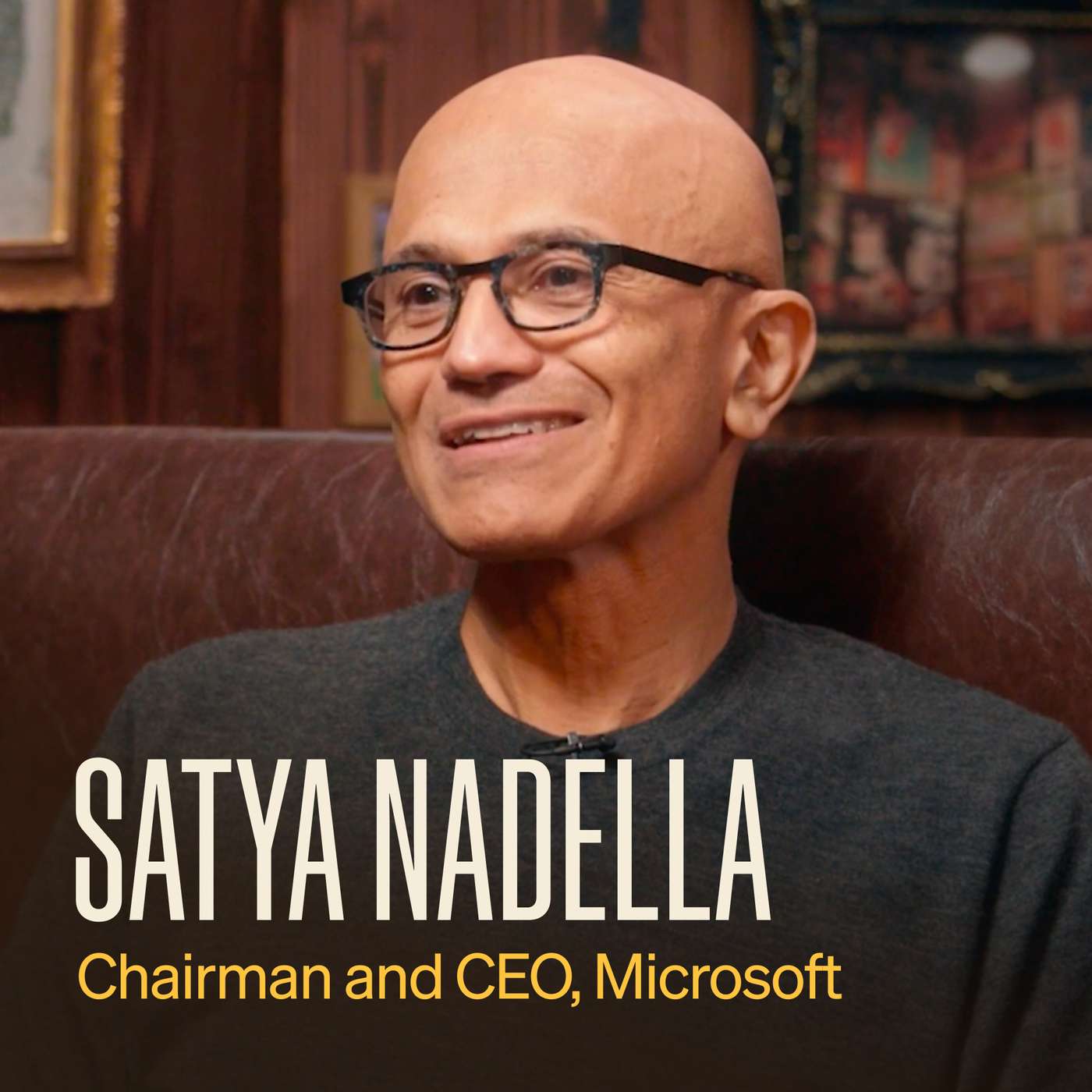
Alex Karp argues that companies using third-party frontier models are inadvertently transferring their "alpha"—proprietary data, workflows, and competitive advantage—to the AI labs. He advocates for "AI sovereignty," where organizations own their compute, data, and models to protect their intellectual property.

Moving beyond piracy, Jimmy Iovine proposes that using an artist's style as a 'prompt' for AI generation is a use that should be licensed and compensated. This reframes the 'fair use' debate to focus on direct influence and inspiration in the age of AI.
Since any artist can upload music to streaming platforms, the primary value of a major label like Warner Music has shifted. Their core business is now helping artists cut through the noise and connect with global audiences, a service that requires significant infrastructure and technology.
Disney is licensing its IP to OpenAI, avoiding the "Napster trap" where music labels sued file-sharing services into bankruptcy but lost control of the streaming market. By partnering, Disney shapes the use of its IP in AI and benefits financially, rather than fighting a losing legal battle against technology's advance.
Drawing from his YouTube experience, Warner CEO Robert Kyncl believes it's better to embrace AI services that achieve user traction, like Suno. Instead of suing them into oblivion, he partners with them to establish a licensed model, believing you cannot fight consumer behavior.