Get your free personalized podcast brief
We scan new podcasts and send you the top 5 insights daily.
Suno's landmark deal with Warner Music isn't just about licensing or legal protection. The strategic goal is to co-develop novel products that enable new forms of fan-artist interaction. The vision is to build a collaborative future for AI and the music industry, rather than an adversarial one.

Related Insights
Sam Altman forecasts a shift where celebrities and brands move from fearing unauthorized AI use to complaining if their likenesses aren't featured enough. They will recognize AI platforms as a vital channel for publicity and fan connection, flipping the current defensive posture on its head.

Suno's counterintuitive bet was that AI makes creation so personal that creators become the primary listeners of their own music. This validated a novel monetization strategy focused on the act of creation and self-consumption, not just broadcasting to an external audience.
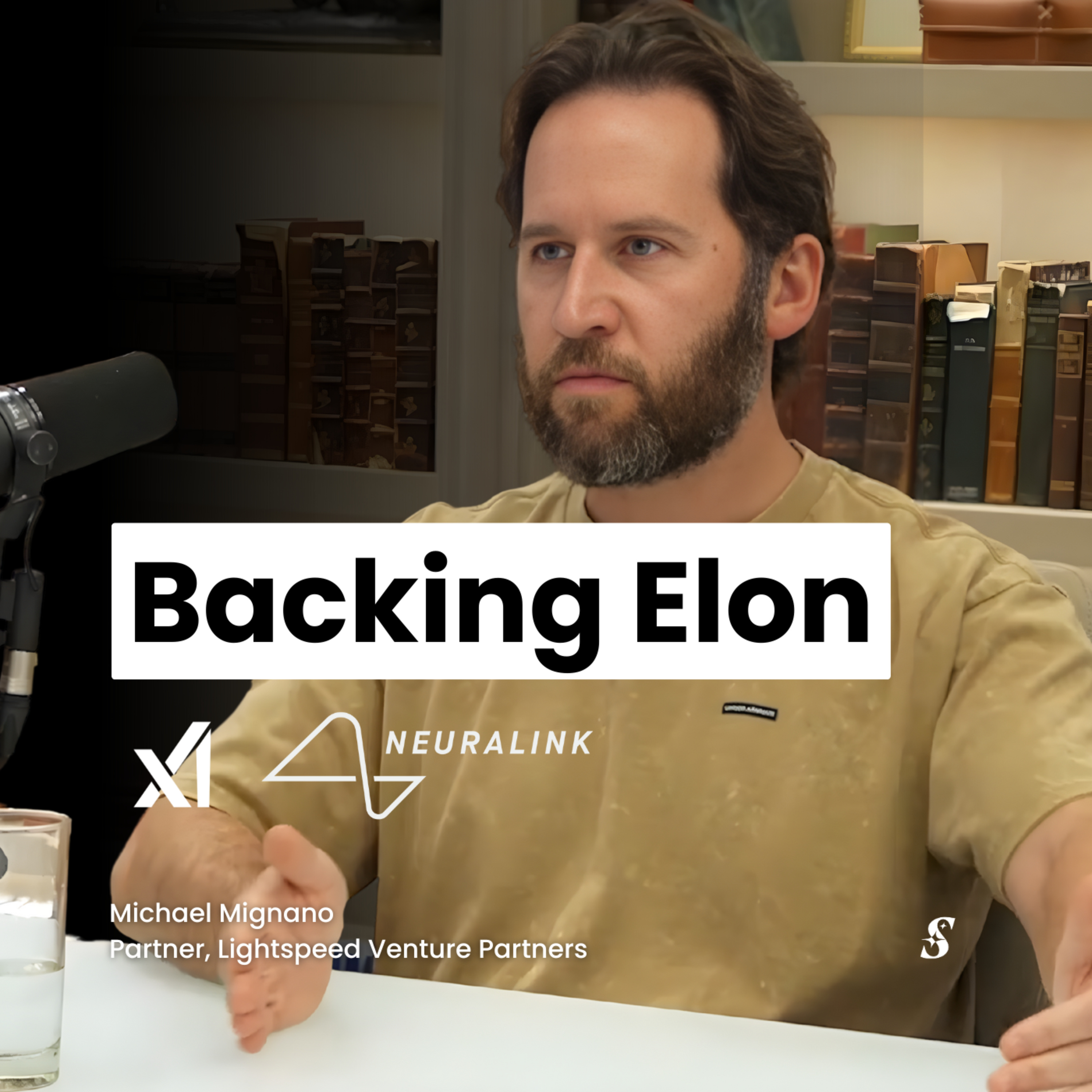
Suno's AI music platform is tapping into a massive market of non-musicians who want to create music. This market of "vibe coders" for music could be orders of magnitude larger than the existing 40 million creators on platforms like SoundCloud.

While most AI companies focus on utility (e.g., coding, search), Suno is carving a niche in 'creative entertainment.' Their goal is to provide the fulfilling experience of making music, arguing that this emotional and creative drive is a more elevated and less crowded market than pure productivity tools.

AI tools like music generator Suno are achieving massive revenue not by replacing professionals, but by creating a new market. They empower non-musicians and non-developers to create, acting as an additive and incremental force. This suggests the initial impact of creative AI is market expansion rather than job substitution.
Despite public industry skepticism, AI music tools are becoming indispensable creative co-pilots for professional songwriters and producers. The CEO of Suno reveals that while many pros use the platform extensively for ideation, they are reluctant to admit it publicly.
Rather than fighting the inevitable rise of AI-generated fan content, Disney is proactively licensing its IP to OpenAI. This move establishes a legitimate, monetizable framework for generative media, much like how Apple's iTunes structured the digital music market after Napster.

AI music's primary value isn't just as a professional tool. Suno's CEO explains its success comes from attracting users with a novel party trick (e.g., a funny one-off song) and then retaining them through the unexpectedly joyful and engaging experience of making music.
Suno's CEO asserts that music AI is not a scale problem like LLMs. Because music lacks objective benchmarks, smaller models aligned via massive amounts of human preference data are more effective. This preference data not only aligns the model but also fuels novel research breakthroughs, creating a virtuous cycle.
Disney is licensing its IP to OpenAI, avoiding the "Napster trap" where music labels sued file-sharing services into bankruptcy but lost control of the streaming market. By partnering, Disney shapes the use of its IP in AI and benefits financially, rather than fighting a losing legal battle against technology's advance.