Get your free personalized podcast brief
We scan new podcasts and send you the top 5 insights daily.
Greg Brockman's personal diary entries, which detailed internal strategies regarding Elon Musk and the company's for-profit pivot, have emerged as critical evidence in the ongoing lawsuit. This serves as a stark warning to executives about the legal risks of journaling sensitive corporate deliberations, a practice dubbed "discovery maxing."

Related Insights
Private notes revealed in the lawsuit filings show the foundational split wasn't purely philosophical. Discussions about personal wealth targets ("what will take me to $1 billion?") and Elon Musk's desire for majority equity to fund Mars ambitions underscore that the battle was fundamentally about power and financial gain.

The lawsuit between Elon Musk and OpenAI has unearthed private communications showing fundamental disagreements. Musk allegedly wanted OpenAI to generate $80 billion for a Mars city and give him majority control, with his children eventually controlling AGI. OpenAI's founders resisted, leading to the split.

Internal notes revealed in Elon Musk's lawsuit suggest OpenAI's leadership intentionally deceived him. They allegedly took his money under the premise of an open-source non-profit while privately planning a closed, for-profit structure, creating a massive legal and reputational risk.
A psychological theory suggests OpenAI co-founder Greg Brockman was haunted by the billions he left on the table by leaving Stripe early. This regret may have fueled his journal entries about wealth and his drive to make OpenAI a for-profit success, inadvertently creating damaging evidence for Elon Musk's lawsuit.
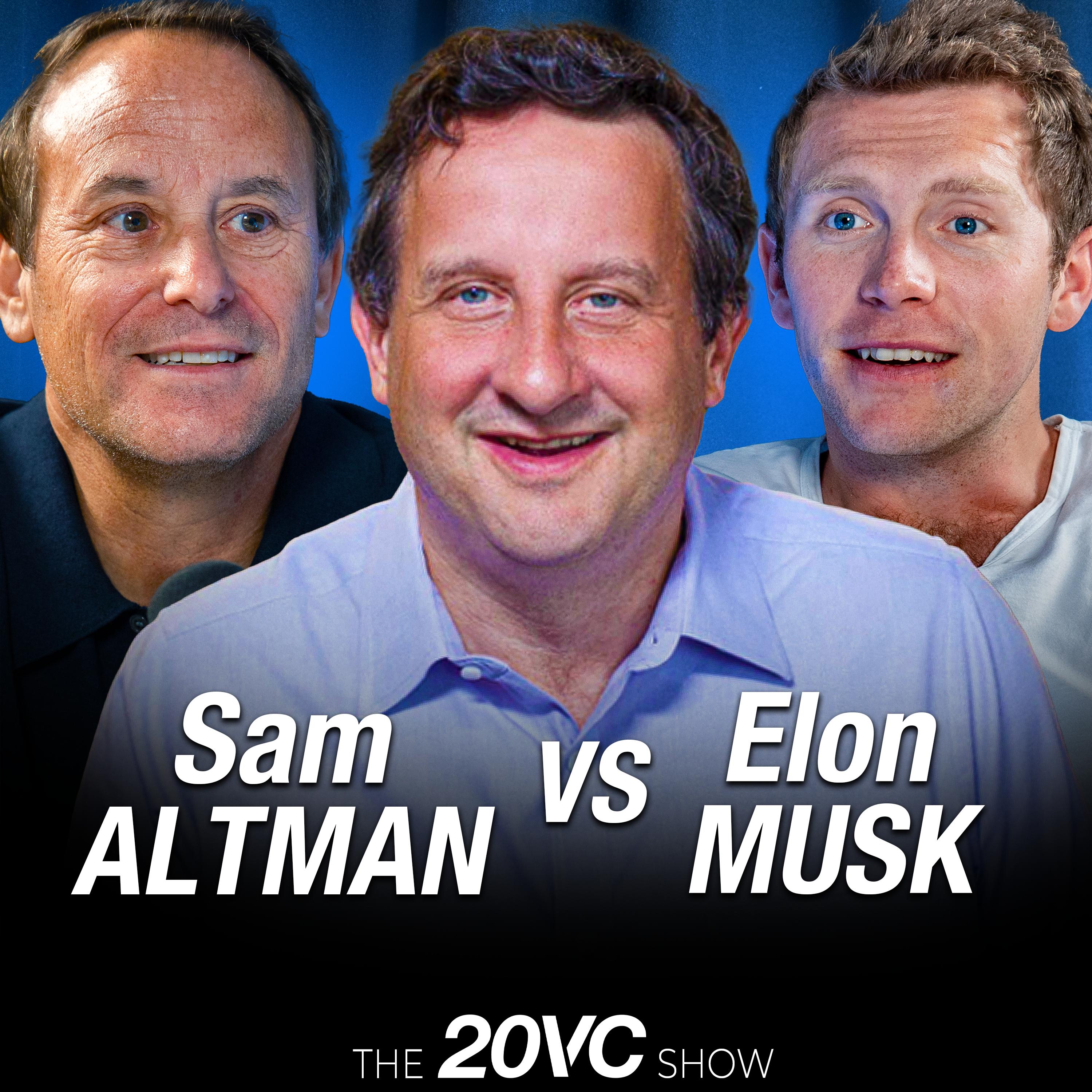
The lawsuit is unlikely to financially cripple OpenAI or reverse its for-profit structure. Its primary impact will be shaping the public narrative around Sam Altman and Elon Musk by revealing internal documents and testing which figure a jury finds more sympathetic. It's a battle for perception, not an existential threat.

The core legal question is why OpenAI's leadership transitioned the non-profit instead of creating a fresh for-profit entity. This implies the non-profit's accumulated IP and team were too valuable to abandon, which is the foundation of Elon's 'bait and switch' claim that the original mission was hijacked.

With a weak legal foundation based on a verbal 'handshake deal,' Elon Musk's lawsuit against Sam Altman and OpenAI is less about winning in court and more about strategic harassment. The goal is to use the legal process to maximize public embarrassment, force damaging disclosures, and potentially delay OpenAI's IPO.

The core of Elon Musk's lawsuit is the argument that OpenAI breached its founding non-profit mission. The case's success hinges on keeping the focus on this alleged betrayal, but it is weakened whenever Musk's own ego and personality become the central issue during testimony.
As part of the discovery process in Elon Musk's lawsuit against OpenAI, co-founder Greg Brockman's personal diary entries were made public. These documents provide an unprecedented, candid view into his motivations, including his musings on personal legacy, wealth, and his desire to be among the "kings of AI."
Shopify's CEO compares using AI note-takers to showing up "with your fly down." Beyond social awkwardness, the core risk is that recording every meeting creates a comprehensive, discoverable archive of internal discussions, exposing companies to significant legal risks during lawsuits.
