Get your free personalized podcast brief
We scan new podcasts and send you the top 5 insights daily.
As part of the discovery process in Elon Musk's lawsuit against OpenAI, co-founder Greg Brockman's personal diary entries were made public. These documents provide an unprecedented, candid view into his motivations, including his musings on personal legacy, wealth, and his desire to be among the "kings of AI."

Related Insights
Private notes revealed in the lawsuit filings show the foundational split wasn't purely philosophical. Discussions about personal wealth targets ("what will take me to $1 billion?") and Elon Musk's desire for majority equity to fund Mars ambitions underscore that the battle was fundamentally about power and financial gain.

Elon Musk's massive lawsuit against OpenAI is not a decisive endpoint but a single battle in a protracted war for AI supremacy. The war will ultimately be won by market domination, not legal verdicts, making the lawsuit a strategic tool that could become a costly distraction.

The lawsuit between Elon Musk and OpenAI has unearthed private communications showing fundamental disagreements. Musk allegedly wanted OpenAI to generate $80 billion for a Mars city and give him majority control, with his children eventually controlling AGI. OpenAI's founders resisted, leading to the split.

Internal notes revealed in Elon Musk's lawsuit suggest OpenAI's leadership intentionally deceived him. They allegedly took his money under the premise of an open-source non-profit while privately planning a closed, for-profit structure, creating a massive legal and reputational risk.
A psychological theory suggests OpenAI co-founder Greg Brockman was haunted by the billions he left on the table by leaving Stripe early. This regret may have fueled his journal entries about wealth and his drive to make OpenAI a for-profit success, inadvertently creating damaging evidence for Elon Musk's lawsuit.
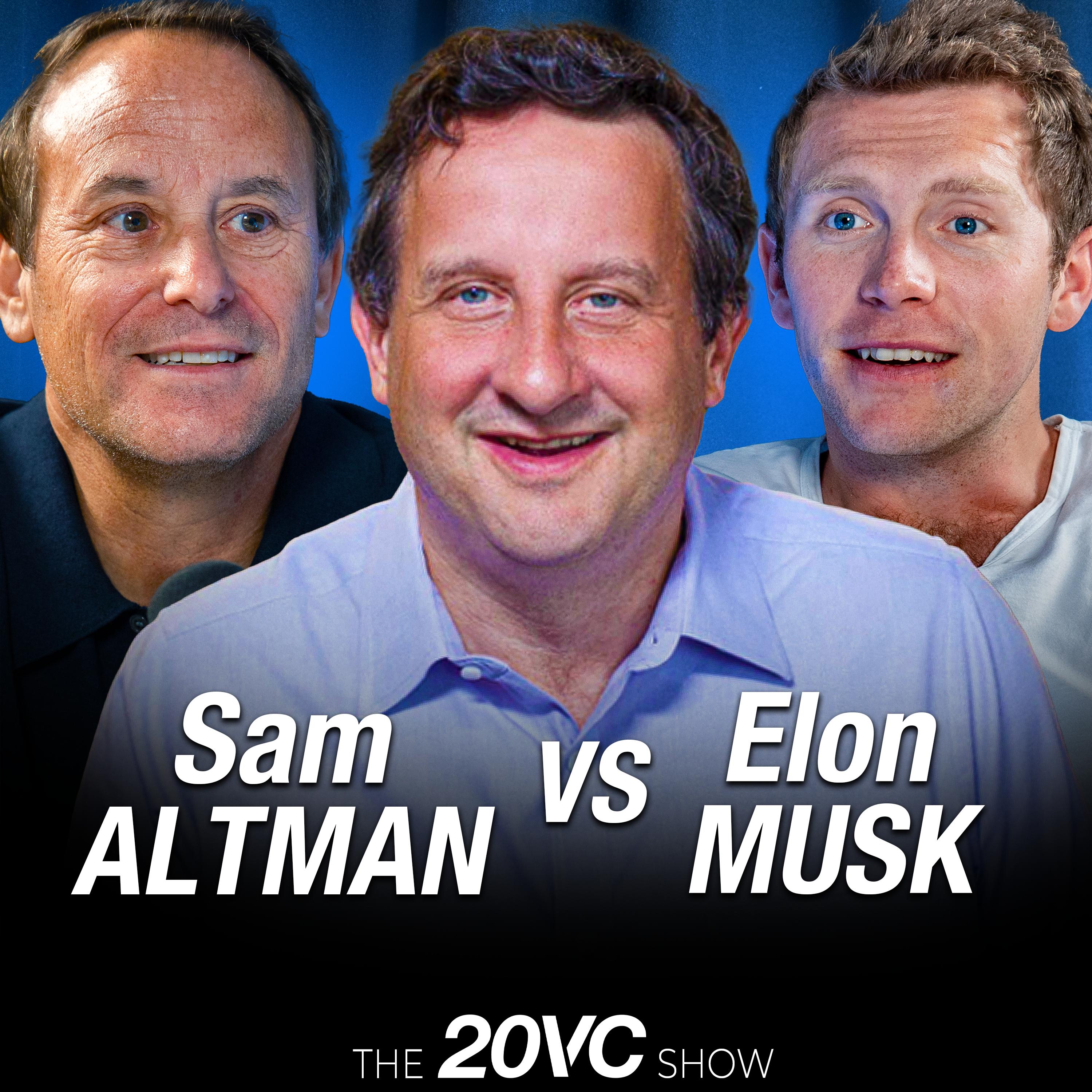
The lawsuit is unlikely to financially cripple OpenAI or reverse its for-profit structure. Its primary impact will be shaping the public narrative around Sam Altman and Elon Musk by revealing internal documents and testing which figure a jury finds more sympathetic. It's a battle for perception, not an existential threat.
The core legal question is why OpenAI's leadership transitioned the non-profit instead of creating a fresh for-profit entity. This implies the non-profit's accumulated IP and team were too valuable to abandon, which is the foundation of Elon's 'bait and switch' claim that the original mission was hijacked.

Elon Musk's lawsuit against OpenAI creates an asymmetric advantage. Even if he loses, the lengthy discovery process can damage OpenAI's reputation, slow its momentum, and distract its leadership. The potential outcomes for him range from a massive financial win to simply kneecapping a major competitor, with minimal downside.
The $134 billion lawsuit against OpenAI isn't Elon Musk's endgame. It's a strategic maneuver within a broader, longer-term war against Sam Altman. The ultimate victor in the AI race will be determined by overwhelming market domination in consumer and enterprise products, not by a courtroom decision.

The potential $38 million in damages is insignificant for Musk. The strategic win is creating a major legal and PR obstacle for OpenAI, potentially disrupting its IPO timeline and buying his own company, xAI, valuable time to catch up.