Get your free personalized podcast brief
We scan new podcasts and send you the top 5 insights daily.
As a private company, Boehringer Ingelheim avoids quarterly analyst pressure. This allows for a long-term view and an R&D investment rate exceeding 27%, funding basic discovery and awareness campaigns that public companies might cut during a bad quarter.

Related Insights
VC Bob Nelsen argues that even if large pharma companies appropriate ideas or gain leverage over US biotech, their financial success is ultimately beneficial. Profitable pharma companies must deploy massive cash reserves, much of which flows back into the biotech ecosystem through M&A, funding the next generation.

While staying private can offer strategic advantages, particularly for future M&A, the biotech industry lacks a mature private growth capital market. Companies needing hundreds of millions for late-stage trials have no choice but to go public, unlike their tech counterparts.

The financial health and confidence of major pharmaceutical companies have a direct 'trickle down' effect on the entire biotech industry. When large pharma firms are cash-rich and actively pursuing acquisitions, it boosts valuations and funding opportunities for publicly traded biotechs, startups seeking venture capital, and the entire value chain.
The company's business development strategy prioritizes acquiring early-stage, preclinical assets. This allows them to "fill the funnel" and take more "shots on goal" while avoiding costly downstream bidding wars for assets that have already completed Phase 2 development.
Major pharmaceutical companies are now willing to deploy the "nuclear option" of pulling planned R&D investments to express displeasure with national drug pricing policies. This tactic, seen in the UK, represents a direct and aggressive strategy to pressure governments into accepting higher prices for innovative medicines.
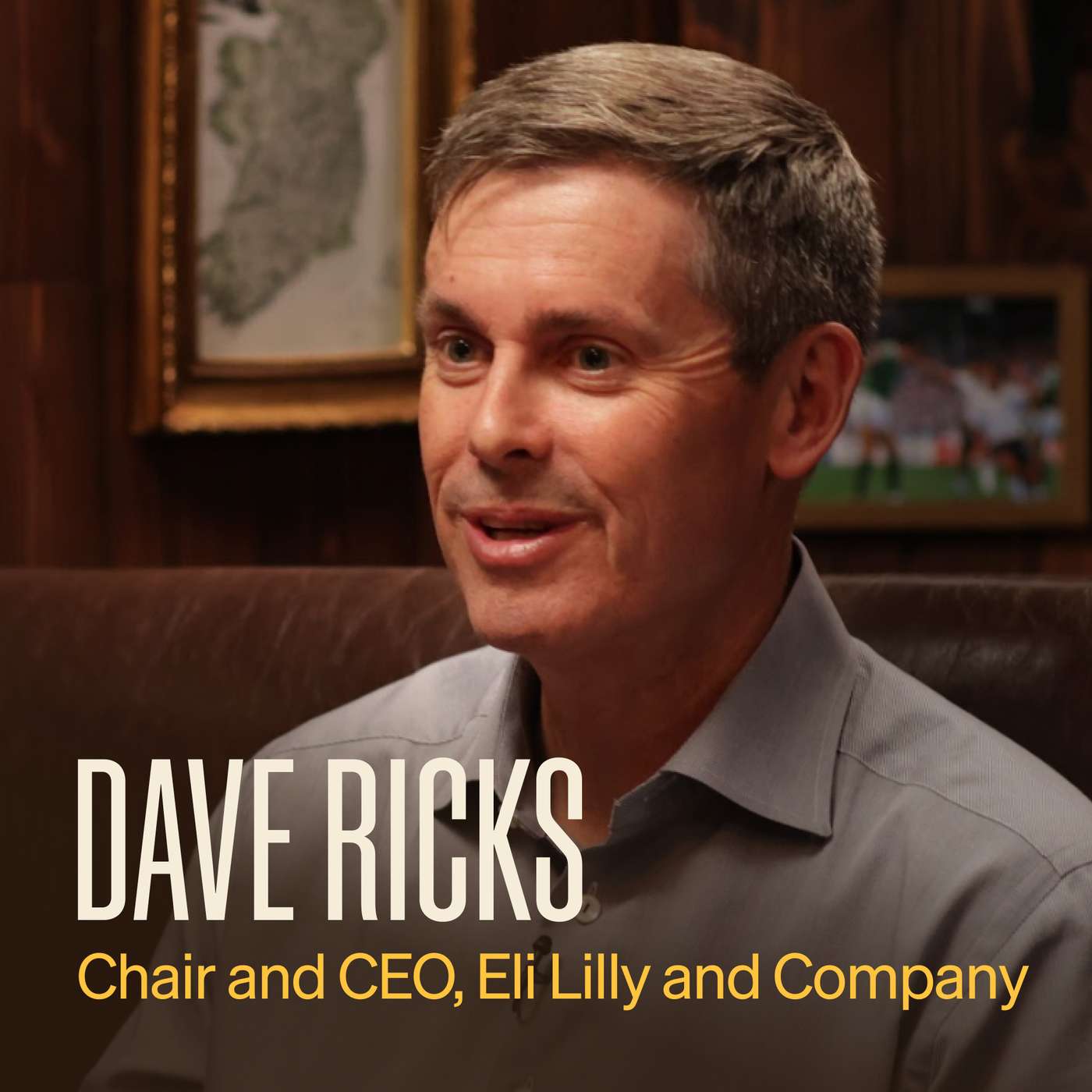
A significant number of Eli Lilly's compelling inventions came from unsanctioned projects. The company intentionally provides budget flexibility and avoids micromanagement at its R&D sites, allowing scientists to pursue their curiosity.
The blockbuster drug bivalirudin was discovered as an unsanctioned "20% time" project at Biogen. This policy, allowing scientists to explore personal interests, demonstrates how institutionalizing freedom for undirected research can lead to major, company-defining breakthroughs that would otherwise be missed in a rigid R&D structure.

Astute biotech leaders leverage the tension between public financing and strategic pharma partnerships. When public markets are down, pursue pharma deals as a better source of capital. Conversely, use the threat of a public offering to negotiate more favorable terms in pharma deals, treating them as interchangeable capital sources.

CRISPR's CEO suggests a specific financial rule: never spend more than 11% of market cap in one year. Spending above 14-15% risks a 'dilution spiral,' while spending only 6-7% means you aren't taking enough aggressive risks. This provides a clear guardrail for R&D investment.
To avoid the pitfalls of scale in R&D, Eli Lilly operates small, focused labs of 300-400 people. These 'internal biotechs' have mission focus and autonomy, while leveraging the parent company's scale for clinical trials and distribution.