Get your free personalized podcast brief
We scan new podcasts and send you the top 5 insights daily.
The traditional rush of biotech news and financings timed for the J.P. Morgan Healthcare Conference is diminishing. Companies and investors are now front-running the event, announcing deals and offerings earlier in the year to get ahead of the news curve and avoid investor exhaustion.

Related Insights
During market downturns, biotech companies lose the ability to raise capital simply when it's convenient. Financing becomes tied to specific events. The key is timing a fundraise immediately before or after the release of significant clinical data that de-risks the company and attracts new investors.

The recent biotech market upswing isn't just a reaction to broader economic shifts. It's fundamentally supported by greater clarity on drug pricing, successful commercial launches by biotech firms, and a strong M&A environment, indicating robust industry health.
The annual J.P. Morgan Healthcare Conference carries high expectations for major M&A announcements. A failure to deliver significant deal news could deflate the market's recent positive momentum. This could trigger a 'late winter lull,' creating a precarious situation just as a new wave of private companies prepares to go public, potentially overwhelming investor demand.

The old assumption that small biotechs struggle with commercialization ("short the launch") is fading. Acquirers now target companies like Verona and Intracellular that have already built successful sales operations. This de-risks the acquisition by proving the drug's market viability before the deal, signaling a maturation of the biotech sector.

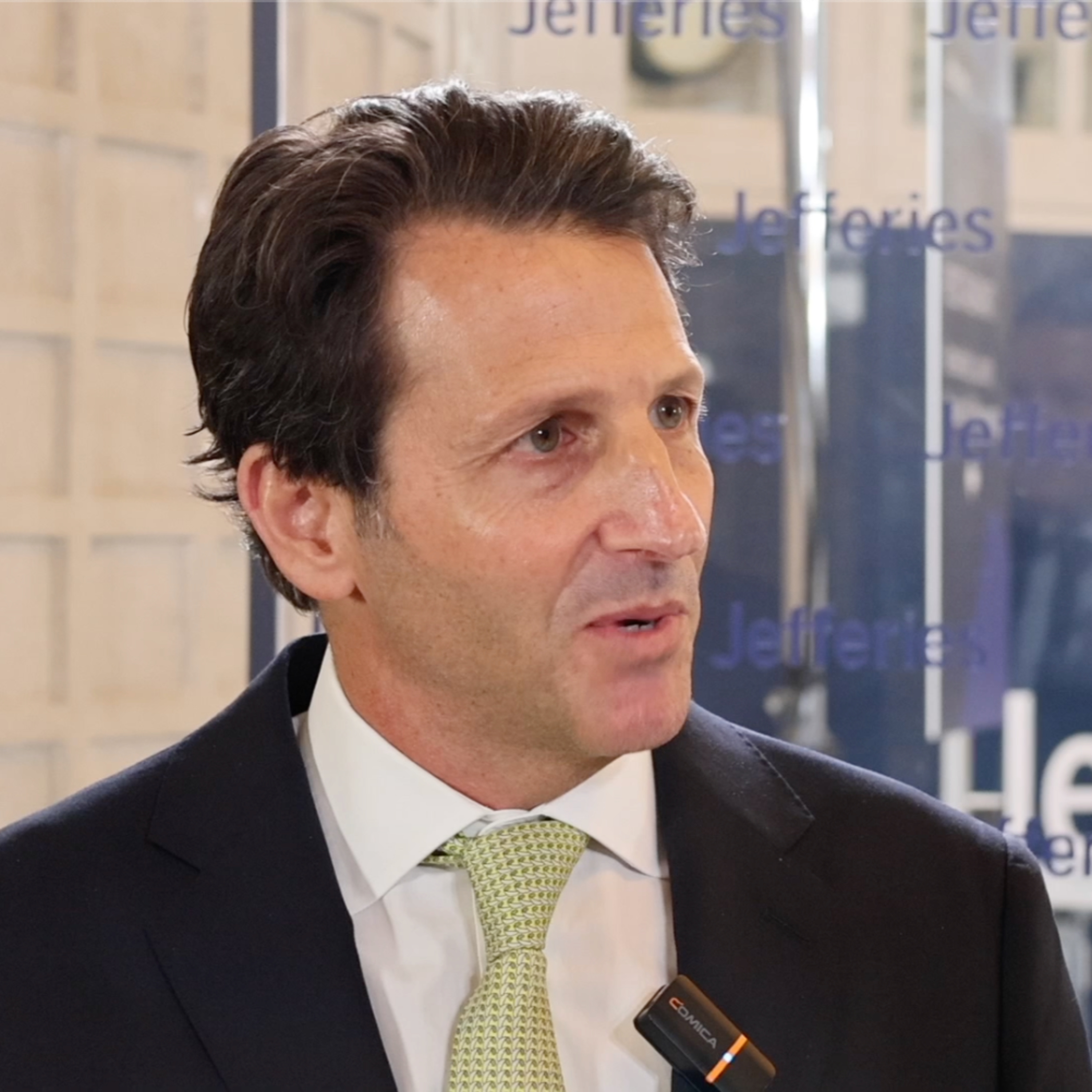
The Jefferies Healthcare Conference in London has evolved from a regional meeting into a crucial "JPM pregame." Biotech and pharma CEOs now use the November event to lay the groundwork for major deals that are ultimately announced at the J.P. Morgan Healthcare Conference in January, making it a key fixture on the global dealmaking calendar.

Despite a strong year for biotech, investors are showing signs of fatigue. This leads them to sell stocks immediately after positive news and financing rounds to lock in gains before year-end, rather than letting positive momentum build further.
The biotech ecosystem is a continuous conveyor belt from seed funding to IPO, culminating in acquisition by large biopharma. The recent industry-wide stall wasn't a failure of science, but a halt in M&A activity that backed up the entire system.

A massive $4.5 billion week for follow-on financings, triple the next largest week of the year, indicates a significant and abrupt positive shift in market sentiment. This end-of-year rush, which followed a dismal first half, suggests investors are regaining confidence and deploying capital into biotech, potentially setting a strong tone for the upcoming year and JPM conference.

The Jefferies Global Healthcare Conference in London is particularly productive because its schedule precedes the US market open. This timing allows C-suite executives and investors to engage in focused, strategic conversations without the constant distraction of breaking news, press releases, and market fluctuations that occur during US trading hours.
The current biotech M&A boom is less about frantically plugging near-term patent cliff gaps (e.g., 2026-2027) and more about building long-term, strategic franchises. This forward-looking approach allows big pharma to acquire earlier-stage platforms and assets, signaling a healthier, more sustainable M&A environment.