Get your free personalized podcast brief
We scan new podcasts and send you the top 5 insights daily.
When running a Brazilian railroad, Alex Behring spent a week a month "in overalls" with train engineers. He discovered that small, inexpensive fixes like better chairs and satellite TV in break rooms dramatically improved morale and engagement, unlocking massive operational efficiencies like a 30% reduction in fuel costs.
![Alex Behring and Daniel Schwartz - Inside 3G Capital - [Invest Like the Best, EP.458] thumbnail](https://megaphone.imgix.net/podcasts/e08d17d8-0630-11f1-900f-af0896d80a14/image/dcbaadaaf3c949d9b9de61e9cbe5c91f.jpg?ixlib=rails-4.3.1&max-w=3000&max-h=3000&fit=crop&auto=format,compress)
Related Insights
The "Decision Ladder" is a framework for radical empowerment. By giving every employee permission to spend a small amount (e.g., $50) to solve any problem—with increasing authority for managers and directors—you eliminate approval delays and foster a culture of ownership.

Even at significant scale, Alex Bouaziz maintains a deeply hands-on approach, believing it's a critical cultural pillar. Being involved in day-to-day problems and customer issues prevents him from being too far removed from the business. This proximity allows him to identify flaws in org design, response times, and processes that are invisible from a '10,000-foot view'.

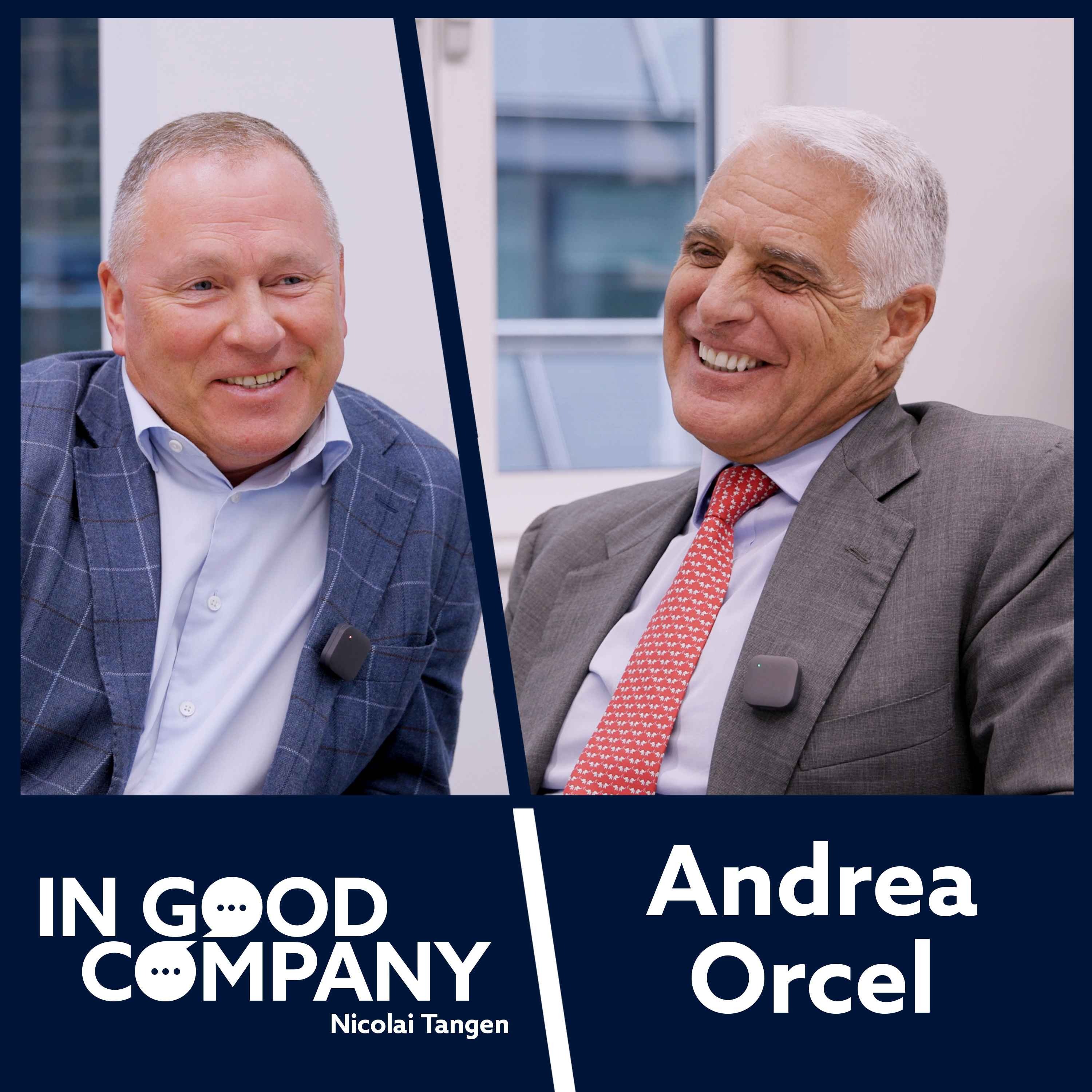
A leader's greatest insights often come from frontline employees, not the boardroom. Despite being an expert advisor for decades, the UniCredit CEO credits the bank's successful transformation to listening to "people in the branches." This humility uncovers the most effective strategies.
To stay connected to frontline operations and customer sentiment, former EasyJet CEO Caroline McCall made it a ritual to help cabin crew collect trash on every flight. This simple, repeated act provided invaluable, unfiltered feedback from both employees and passengers that she couldn't get in the office.

The most critical insights for Chili's revival came not from consumers, but from its 70,000 employees. Their feedback on operational friction and guest interactions directly fueled simplification, menu changes, and investments that improved the customer experience.

CEO Larry Culp's successful turnaround of the GE conglomerate relied on operational fundamentals learned at Danaher. His philosophy of 'common sense vigorously applied' focused on implementing lean manufacturing principles, simplifying the business, and empowering employees on the shop floor, rather than complex financial restructuring.
![GE Aerospace: Full Throttle - [Business Breakdowns, EP.234] thumbnail](https://megaphone.imgix.net/podcasts/b4e183c0-c0f9-11f0-9cb9-1fd84f161334/image/52fc2070fb32ee2a270fcf835e7c161a.jpg?ixlib=rails-4.3.1&max-w=3000&max-h=3000&fit=crop&auto=format,compress)
When Jeff Braverman proposed a new, labor-intensive packaging service, his father and uncle refused due to the effort required. To overcome their resistance, he not only showed them the math proving its profitability but also took on the manual labor himself. This demonstrated his commitment and proved the concept's viability through his own actions.

The CEO of United Wholesale Mortgage and owner of the Phoenix Suns walks his company's floor daily to find and solve three operational problems on the spot. This relentless removal of 1,000 small bottlenecks annually is his core strategy for driving growth.

To engage employees in seemingly mundane roles, like cleaning factory tanks, leadership must clearly connect their specific task to the company's success. The Novonesis CEO emphasizes that explaining this critical importance and frequently expressing simple gratitude is key to maintaining a motivated workforce.

CEO Zach Brown revived McLaren not by firing everyone, but by transforming a "toxic work environment" into one of transparency and collaboration. He kept many of the same long-term employees, showing that fixing culture can unlock the potential of an existing team, even in a high-stakes environment.