Get your free personalized podcast brief
We scan new podcasts and send you the top 5 insights daily.
Despite being a technically impressive product with a strong launch, the Apple Vision Pro is still failing to attract a critical mass of developers. This highlights the extreme difficulty of bootstrapping a new hardware ecosystem, as developers will prioritize established platforms like iOS where the economic opportunity remains larger.

Related Insights
Despite analysts viewing live sports as a prime use case for the Apple Vision Pro, Apple's F1 partnership announcement omits plans for immersive 3D or spatial content. This failure to connect a major content acquisition with its new flagship hardware represents a significant missed opportunity to drive hardware adoption.

Apple's biggest problem is over-engineering and taking too long to ship. The Apple Car failed because they aimed for a fully autonomous vehicle instead of an iterative luxury EV. Similarly, the Vision Pro could have launched years earlier and been more successful with less "fit and finish."
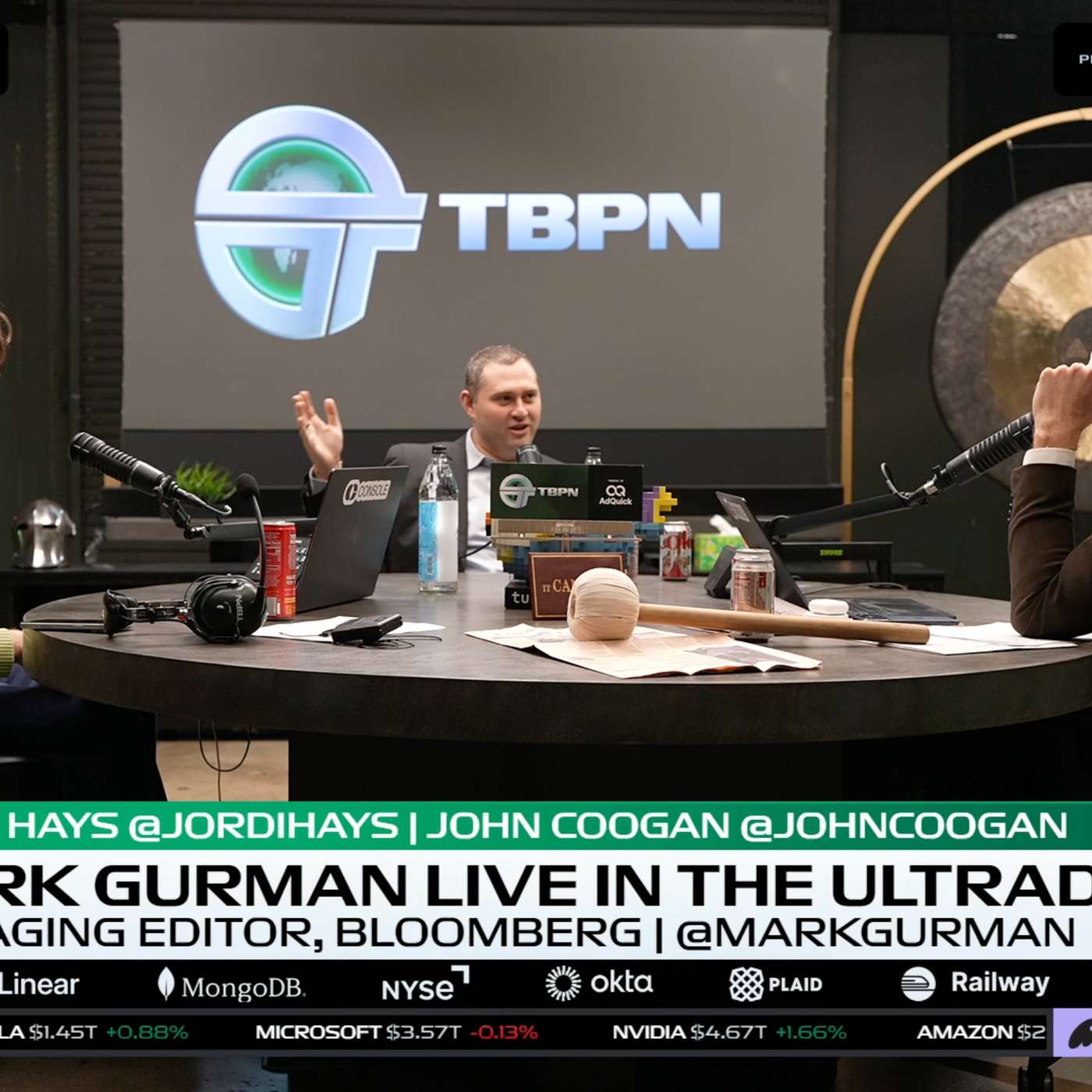
Luckey claims the Vision Pro's high cost stems from using low-yield, expensive "engineering sample" displays not ready for mass production. He frames it as a 2027 product launched in 2024 by spending heavily, implying competitors will soon match its visual quality at a fraction of the cost.
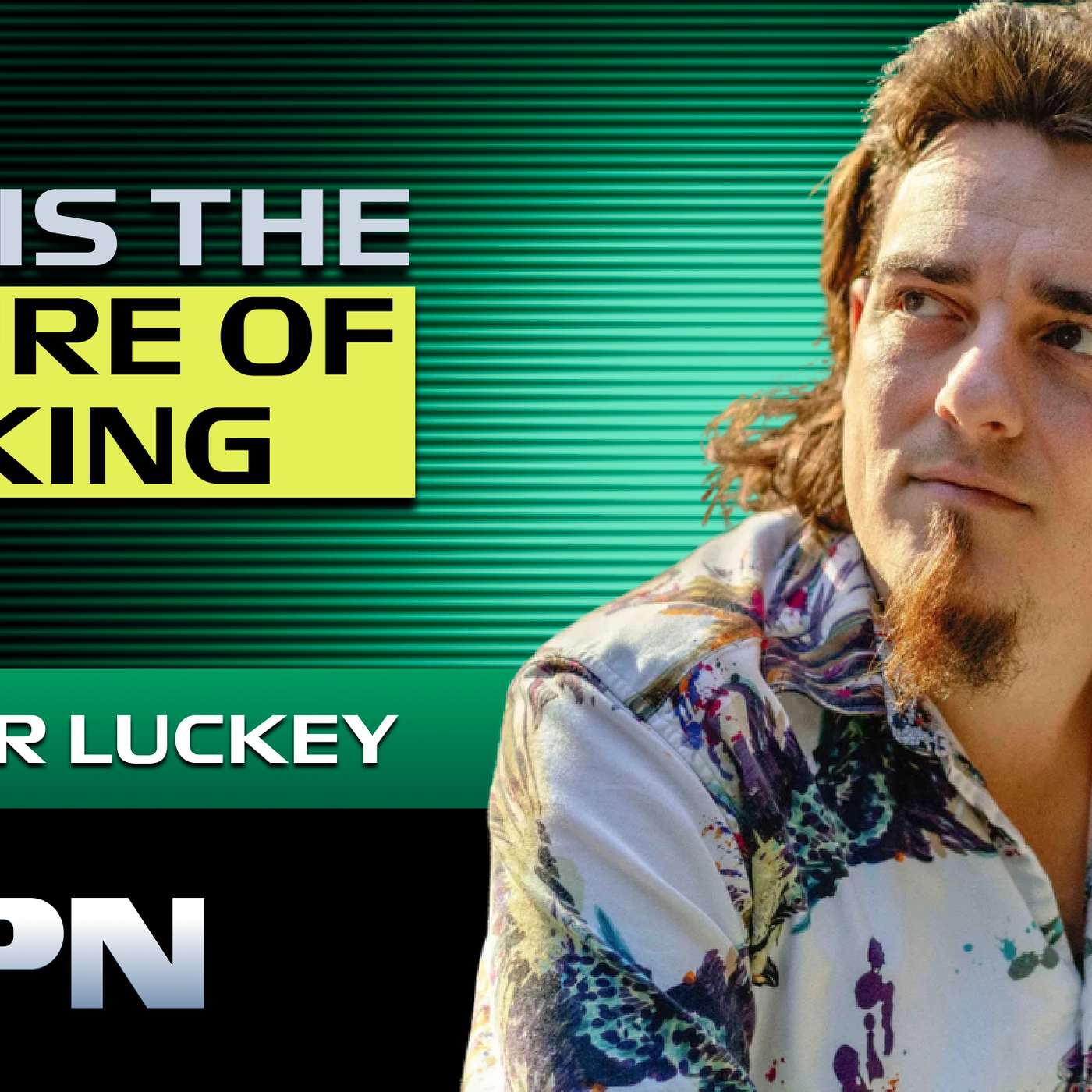
Luckey argues analysts misunderstand the Vision Pro's strategy. At $3,500, it's not a mass-market product. Its goal is to make VR highly desirable and aspirational. By solving the "want" problem first, Apple primes the market for future, lower-cost versions, avoiding the trap of making a cheap product nobody wants.
![Palmer Luckey - Inventing the Future of Defense - [Invest Like the Best, CLASSICS] thumbnail](https://megaphone.imgix.net/podcasts/f7c9aa8e-cb8d-11f0-828e-0b281809c10a/image/cc07f91ec47f95abbde771a4956b37b7.jpg?ixlib=rails-4.3.1&max-w=3000&max-h=3000&fit=crop&auto=format,compress)
Unlike the early iPhone era, developers are hesitant to build for new hardware like the Apple Vision Pro without a proven audience. They now expect platform creators to de-risk development by first demonstrating a massive user base, shifting the market-building burden entirely onto the hardware maker.
Apple's failure to provide immersive, 3D spatial video for its new F1 partnership is a major missed opportunity for the Vision Pro. Live sports are a primary driver for VR/AR adoption. Offering only a standard 2D broadcast in a virtual environment fails to create a differentiated experience that would justify the hardware's cost for hardcore fans and drive platform adoption.
Apple's Worldwide Developer Conference (WWDC) keynote has become a consumer-focused marketing event. The recent keynote almost entirely omitted new developer tools and technologies, leaving its core technical audience feeling ignored and creating a strange disconnect from the company's direction.

The gap between AI's potential and its real-world application is even greater in consumer hardware than in enterprise software. Incumbents like Apple iterate methodically, while challengers face multi-year manufacturing and distribution cycles, significantly delaying the adoption of advanced AI in consumer devices.

The fact that only 3,000 apps have been built specifically for Vision OS is a major red flag. Historically, developers flock to new Apple platforms to gain a first-mover advantage. This lack of enthusiasm indicates the platform's core flywheel—attracting developers to create content that attracts users—is failing.
Similar to Apple's Vision Pro, OpenAI’s initial hardware launch is not expected to be a massive commercial success. It's viewed as a test to gauge consumer adoption and usage patterns. The real, market-defining innovations are anticipated in the second and third generation devices, not the first.
