Get your free personalized podcast brief
We scan new podcasts and send you the top 5 insights daily.
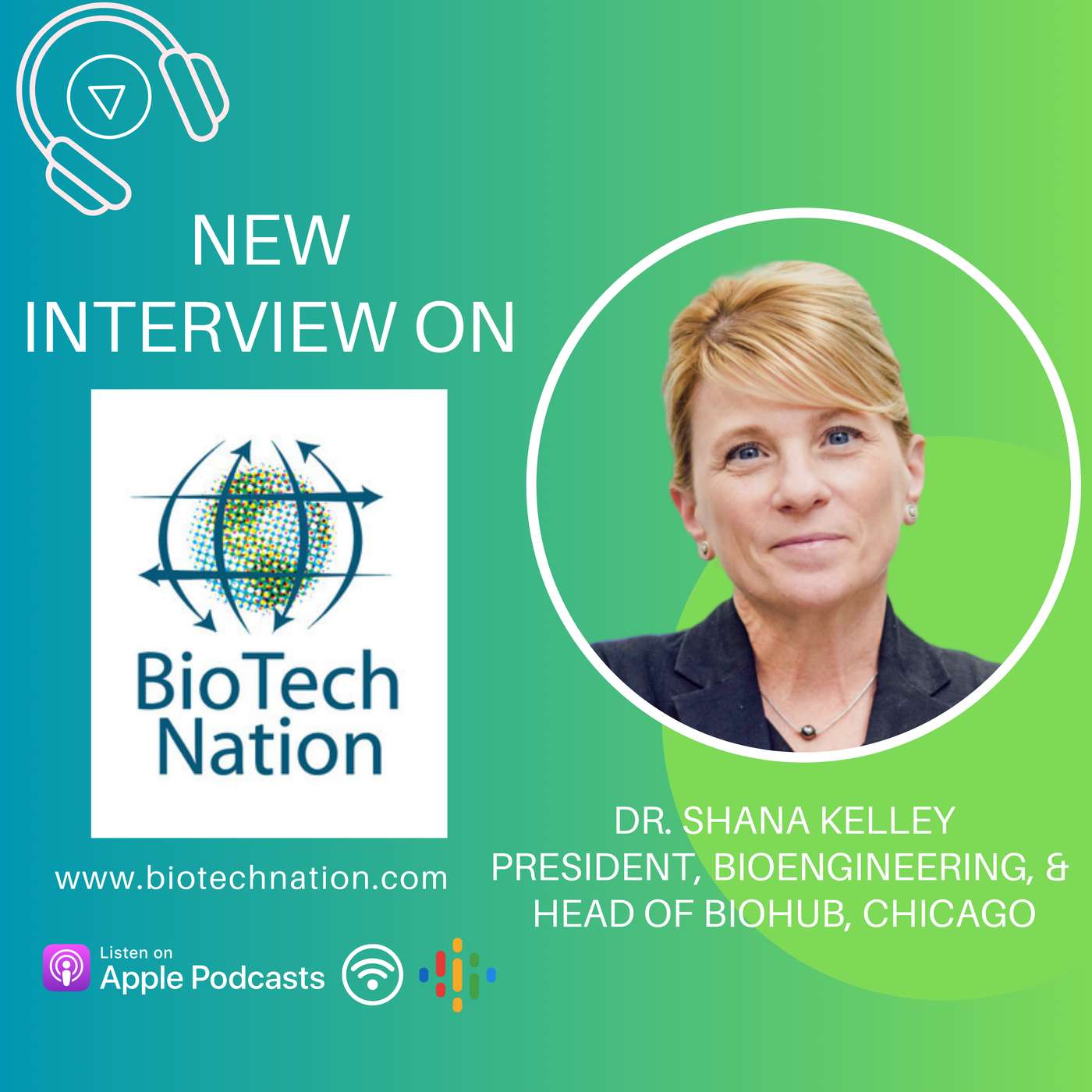
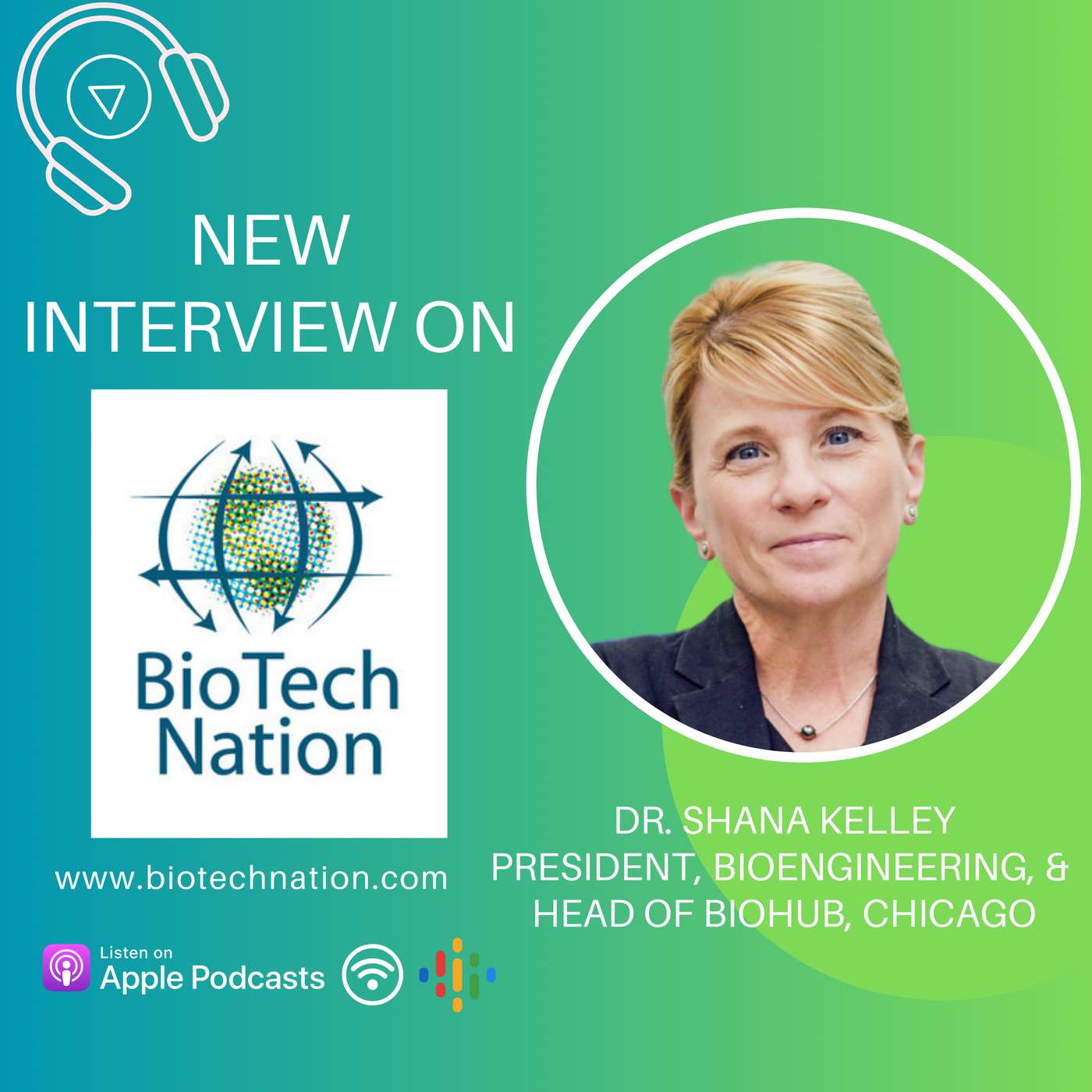
Shana Kelley says CZI has long shared single-cell databases with the community and will keep pushing data out. The organization always preprints its work so others can see results before publication and use the insights to accelerate their own research instead of keeping them internal.
Related Insights
Most organizations specialize in either frontier AI or frontier biology. CZI's Biohub integrates both to create a tight feedback loop. The AI models identify knowledge gaps, which in turn directs the biology team on what specific data sets to generate next. This flywheel of building bespoke data for model training accelerates discovery much faster than using pre-existing public data.

The UK Biobank's decision to allow broad access to its genetic data for both commercial and academic researchers resulted in a 100x greater impact than more restrictive biobanks in the US. This success highlights how open data strategies can dramatically accelerate scientific and commercial innovation.

CZI's audacious goal wasn't literal, but a forcing function. When scientists called it impossible, CZI asked "Why?" This revealed the core bottleneck wasn't a lack of therapies, but a lack of shared tools and data. This insight redirected their entire strategy from funding individual grants to building foundational infrastructure for the entire scientific community.
The massive Cell-by-Gene atlas began as a simple annotation tool to solve a workflow bottleneck for labs. Its utility drove widespread adoption, which unintentionally created a community-driven, standardized data format that became a foundational resource for the field.

Instead of funding small, incremental research grants, CZI's philanthropic strategy focuses on developing expensive, long-term tools like AI models and imaging platforms. This provides leverage to the entire scientific community, accelerating the pace of the whole field.
CZI's strategy creates a "frontier biology lab" to co-develop advanced data collection techniques alongside its "frontier AI lab." This integrated approach ensures biological data is generated specifically to train and ground next-generation AI models, moving beyond using whatever data happens to be available.

Cell by Gene began as a tool to solve an internal data annotation bottleneck. By open-sourcing it, CZI unintentionally created a standard data format. The broader scientific community adopted the tool for its utility, organically creating a massive, shared cell atlas built by many contributors, not just CZI.
CZI strategically focuses on developing long-term scientific tools and platforms by operating its own labs. This addresses a funding gap left by government grants for individual investigators and public-health-focused philanthropies, aiming to accelerate research for all scientists.
The true advantage of AI-driven science isn't superior creativity but a structural shift in collaboration. AI agents can share all raw data daily, creating a networked intelligence that learns exponentially faster than siloed human labs sharing polished results every few years.

CZI operates with a philosophy of open science, rejecting a proprietary model. The organization actively makes its discoveries, datasets, and tools publicly available, often before formal publication. The stated goal is not to own breakthroughs, but to empower the entire scientific community to build upon their work and accelerate progress collectively.