Get your free personalized podcast brief
We scan new podcasts and send you the top 5 insights daily.
Unlike other major conferences, the San Antonio Breast Cancer Symposium (SABCS) has a unique ability to incorporate practice-changing data released just days before the event. This rapid presentation gets crucial information to clinicians, regulatory bodies like the FDA, and patients nearly six months faster than waiting for the next major meeting, speeding up drug review and approval processes.

Related Insights
A key solution to clinical trial delays is for elite NCI-designated cancer centers to accept each other's IRB approvals. If a protocol is approved by MD Anderson, for example, Fred Hutch should honor it without a redundant review. This would eliminate months from the study startup phase.

After Actuate Therapeutics released positive early trial data for pediatric cancers, leading international research groups initiated contact. They not only wanted to help develop the drug but had already independently tested the molecule, demonstrating how powerful data can attract inbound, high-caliber partnership opportunities.
Many firms view patient engagement as a compliance task that adds cost. However, data shows integrating patient experience into development from the start speeds up clinical trial recruitment and execution, reduces FDA amendments, and accelerates time-to-market, providing clear ROI.

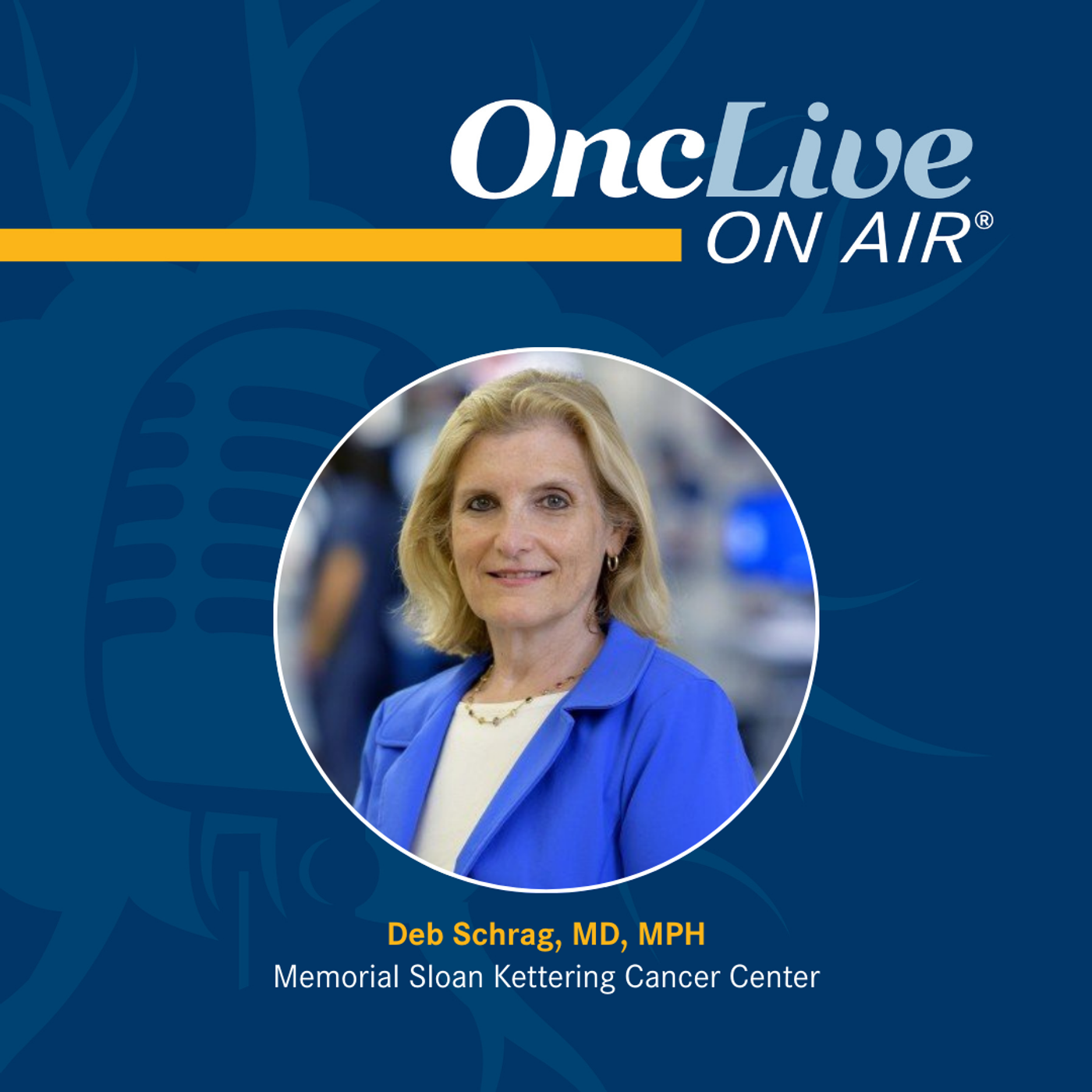
Dr. Deb Schrag argues for shifting away from rigid, expensive clinical trials. She advocates for more pragmatic, community-based studies that harness electronic health records, making research easier and less costly for both patients and healthcare systems to accelerate meaningful discoveries.
While touted for accelerating trials, the initiative's most transformative aspect is forcing sponsors and the FDA to agree on actionable efficacy and safety signals beforehand. This fundamentally shifts the review process from massive data submission to a focused dialogue, enhancing review quality and clarity far more than just improving timelines.
The FDA is abandoning rigid, fixed-length clinical trials for a "continuous" model. Using AI and Bayesian statistics, regulators can monitor data in real-time and approve a drug the moment efficacy is proven, rather than waiting for an arbitrary end date, accelerating access for patients.

By using big data for continuous, real-time post-market surveillance, the FDA can identify safety signals almost instantly. This robust safety net after a drug is launched paradoxically allows the agency to lower the evidence threshold required for initial approval, accelerating access to new cures.
For a successful drug launch, biotech companies must abandon a sequential, siloed approach. The key is to start early, using an agile model where all functions (medical, commercial, regulatory) work in an integrated way from the outset. Rushing this complex process leads to costly mistakes.

An accelerated designation doesn't speed up development on its own. Sponsors who treat it merely as a press release or stock bump leave most of the value on the table. Success requires actively using the designation to engage in early FDA meetings, advance CMC readiness, and lock in endpoints.

MedTech AI companies can speed up regulatory approval by building a trusted, real-time post-market surveillance system. This shifts the burden of proof from pre-market studies to continuous real-world evidence, giving regulators the confidence to approve innovations faster, turning them from blockers into partners.