Get your free personalized podcast brief
We scan new podcasts and send you the top 5 insights daily.
The "SpaceX Mafia's" success isn't just about talent; it's a culture of intense focus born from the collective pressure of rocket launches. This shared experience, where one tiny failure can destroy the entire project, creates a powerful bond and work ethic that investors are actively funding.

Related Insights
Elon Musk argues that complex creations like spaceships are impossible for an individual. They require a 'collection of humans' working together. The quality and speed of information flow within this collective directly determines its potential for achievement.

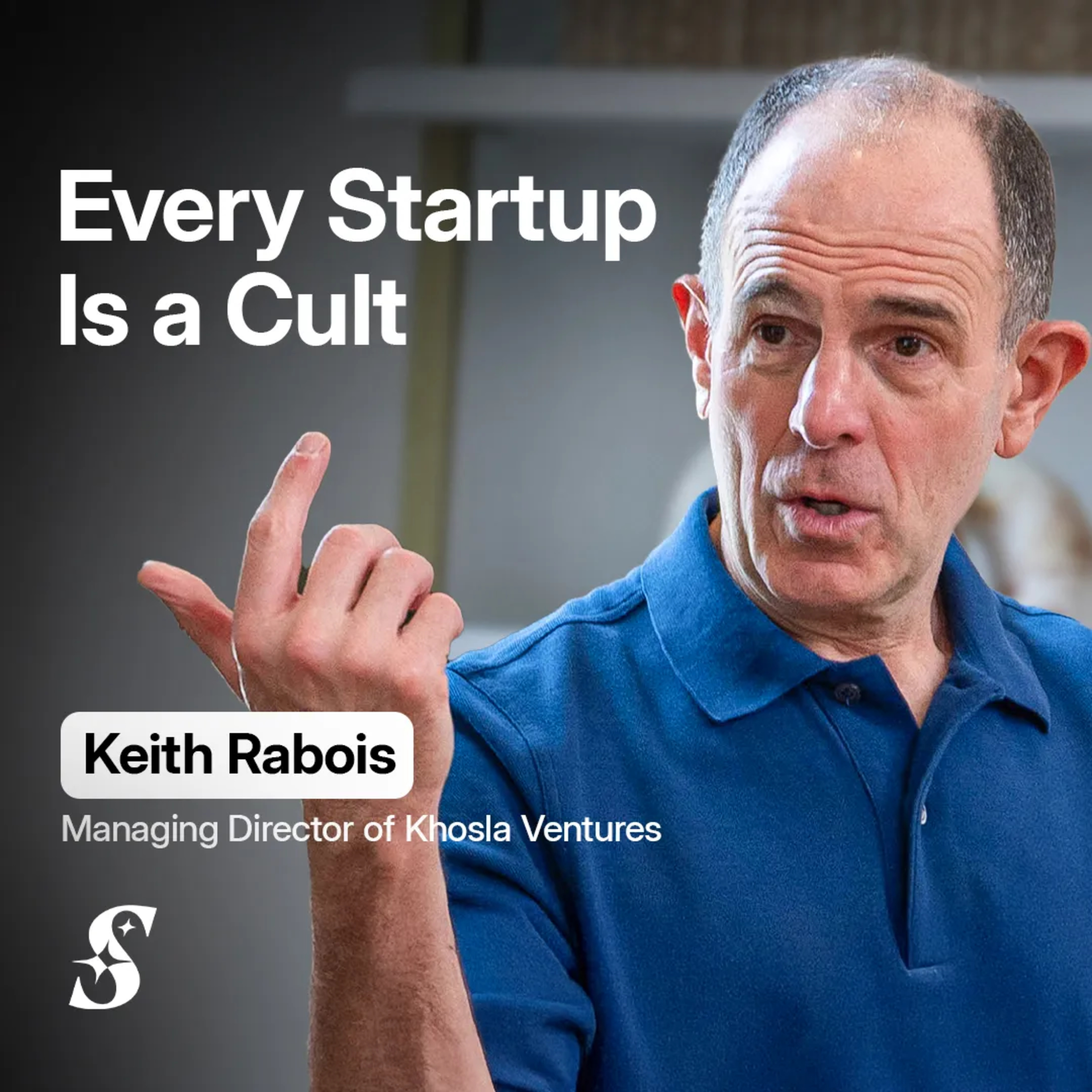
A startup's 'cult' is its unique set of beliefs about the world, its market, and its people. This shared, differentiated worldview is essential for unity and focus. However, to be a successful company rather than just a cult, this unique set of beliefs must be correct.
Founders must accept a lifestyle that excludes most social activities. The intense, shared mission of building a company fosters deep connections with colleagues that supplant traditional friendships. This sacrifice is a prerequisite for high-commitment entrepreneurship.
While capital and talent are necessary, the key differentiator of innovation hubs like Silicon Valley is the cultural mindset. The acceptance of failure as a learning experience, rather than a permanent mark of shame, encourages the high-risk experimentation necessary for breakthroughs.
SpaceX manages its aggressive "fail fast" culture by creating distinct risk profiles. Development projects like Starship are intentionally pushed to failure for learning. In contrast, operational, human-rated systems like Dragon are built with massive safety margins and exhaustive, conservative testing.

The ability to fail publicly and spectacularly is a key advantage for private space companies. While an explosion would be a major scandal for a government agency like NASA, for SpaceX and Blue Origin, it's an accepted part of a rapid, risk-tolerant development cycle that allows them to innovate faster.

Musk's success stems from his unique ability to attract hyper-intelligent, maniacally driven individuals. These people are drawn to his high-stakes, high-pressure environment, choosing to "burn out under Musk" rather than be bored elsewhere, creating an unparalleled human capital advantage.

Facing bankruptcy for both Tesla and SpaceX, Musk split his last $40 million between them. This maximized personal risk but gave both humanity-centric missions a chance to succeed, demonstrating a deep commitment beyond financial returns.

Unlike other tech leaders who celebrate alumni founders, Elon Musk's companies rarely see employees on the podcast circuit. This is a deliberate strategy to control messaging and incentivize long-term commitment. The ideal employee is a quiet, 17-year veteran engineer, not a public-facing superstar who might leave to start their own company.

Founders Fund invested nearly 10% of its fund into SpaceX immediately following a launch failure, betting on Elon Musk's team despite their lack of aerospace experience. This exemplifies a high-conviction, founder-centric investment thesis that ignores conventional industry wisdom and short-term setbacks.
