Get your free personalized podcast brief
We scan new podcasts and send you the top 5 insights daily.
To build products for a world five years away, IBM commits to hardware designs like embedding AI and quantum-safe security onto chips long before market demand is obvious. This requires deep conviction in long-term trends and having faith that software can be fine-tuned later to meet specific client needs as they emerge.

Related Insights
IBM introduced quantum-safe encryption in 2022, years before quantum computers posed a real threat. They did this knowing clients would be skeptical, but correctly predicted that government mandates and the long, difficult process of changing algorithms would require customers to start early. This demonstrates planning for the customer's future operational reality, not just the current tech landscape.
The long-term risk for the AI infrastructure boom is its rapid pace of obsolescence, with replacement cycles estimated at just five years. Companies must generate earnings from current investments quickly enough to fund the next wave of upgrades, or risk being forced to finance functionally obsolete assets.

History shows that major technological shifts like the internet and AI require a fundamental re-architecting of everything from silicon and networking up to software. The industry repeatedly forgets this lesson, mistakenly declaring parts of the stack, like hardware, as commoditized right before the next wave hits.

IBM decided to build on-chip AI inferencing after observing changing client data. Increasing transaction unpredictability and the need for instant settlement signaled a future bottleneck. Clients were sending data off-platform for scoring, creating latency. This user behavior was a direct signal to integrate AI capabilities into the core hardware to shorten the transaction window.
AI software models advance every few months, creating exponential demand. However, the hardware infrastructure like chip fabs operates on two-to-four-year development cycles. This timeline disconnect between software's rapid pace and hardware's slow build-out creates a persistent supply crunch that money alone cannot instantly solve.
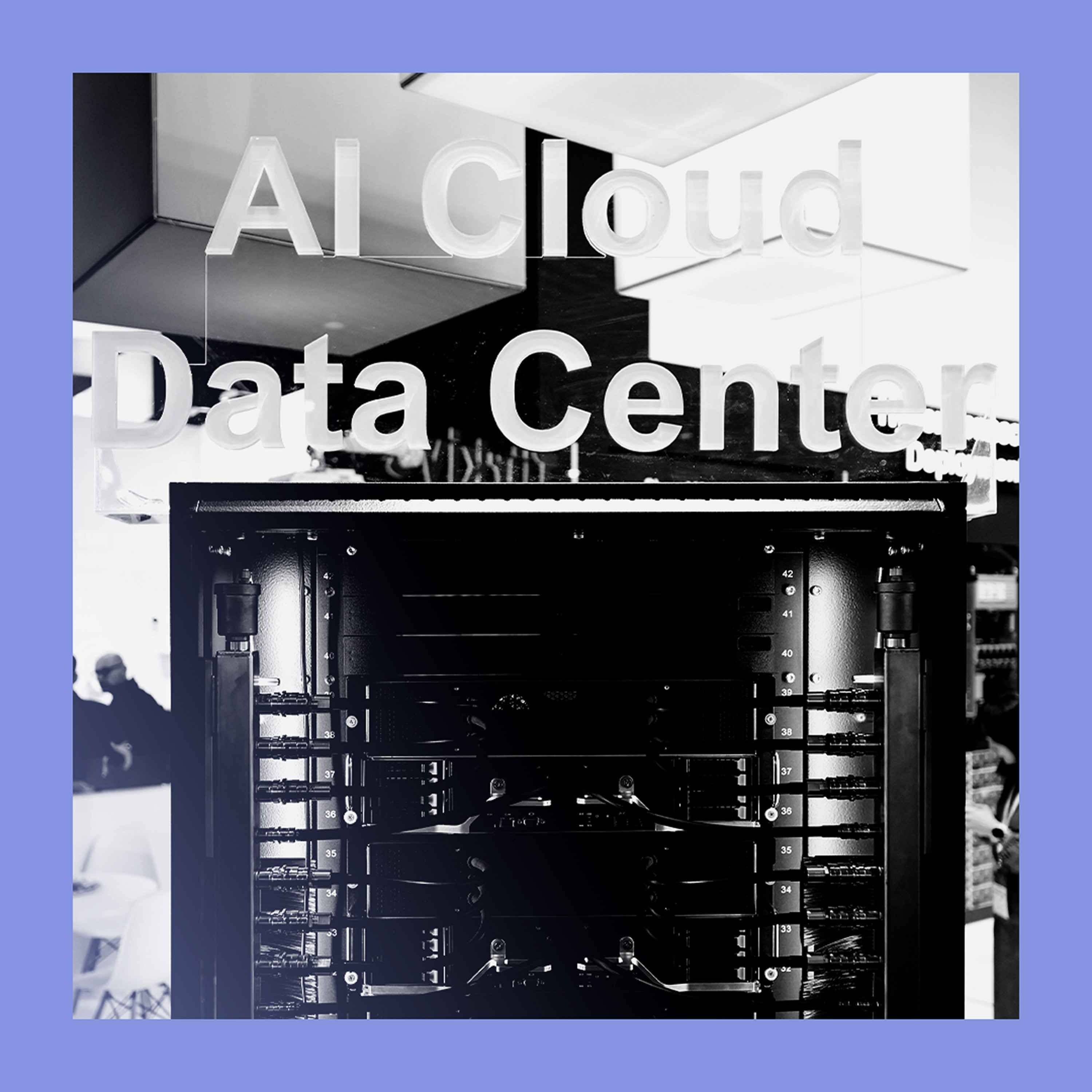
Designing custom AI hardware is a long-term bet. Google's TPU team co-designs chips with ML researchers to anticipate future needs. They aim to build hardware for the models that will be prominent 2-6 years from now, sometimes embedding speculative features that could provide massive speedups if research trends evolve as predicted.
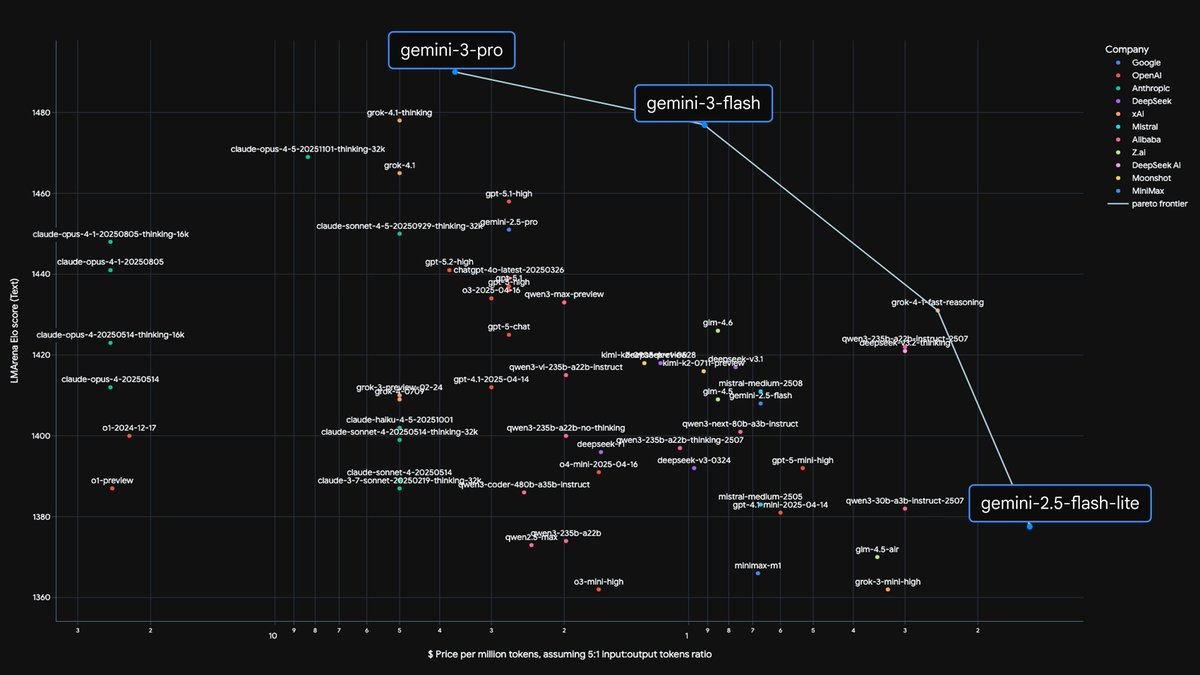
The current 2-3 year chip design cycle is a major bottleneck for AI progress, as hardware is always chasing outdated software needs. By using AI to slash this timeline, companies can enable a massive expansion of custom chips, optimizing performance for many at-scale software workloads.

Leading AI labs are moving beyond off-the-shelf hardware. They are now in a symbiotic co-design loop where an AI model's specific requirements inform the chip's architecture, and vice-versa. This tight integration of software and silicon is the new frontier for performance.
The multi-year process of designing a chip forces engineers to 'bloat' designs with features that may or may not be needed years later, treating them as an insurance policy against market shifts. This increases cost and complexity. AI-accelerated design collapses this timeline, reducing uncertainty and enabling more focused, efficient hardware.

To justify its long-term quantum computing investment without commercial clients, IBM uses developer adoption as a proxy for market demand. By making its software open-source, the company tracks 650,000 global users as proof of "real traction," validating the bet on this nascent technology.